Why Heavyweight Fabric T-Shirts Last Longer
Updated on: 2026-07-10
If you want a t-shirt that holds its shape and shrugs off everyday life, heavyweight fabric t-shirts are the move. They tend to feel sturdier, wear longer, and look better after repeat laundry cycles. The trick is choosing the right weight, fit, and fabric blend so you get structure without turning your shirt into a canoe. In this guide, you will learn how to spot quality, how to care for it, and how to pick a tee that looks sharp with almost anything.
1. What Makes a Tee “Heavyweight” (And Why You Should Care)
2. Product Spotlight: The Vintage-Game Plan for Heavyweight Tees
3. Step-by-Step: How to Choose the Right Heavyweight Fabric T-Shirt
4. Personal Experience: The Tee That Survived My Laundry Routine
5. How to Care for Heavyweight T-Shirts So They Keep Looking Good
6. Summary and Recommendations
7. Q&A: Heavyweight Fabric T-Shirt Questions, Answered
What Makes a Tee “Heavyweight” (And Why You Should Care)
Not all t-shirts are created equal. Some arrive feeling like a cloud’s understudy. Others arrive ready to play a full season. When people say heavyweight fabric t-shirts, they are usually talking about a thicker, denser knit that looks more substantial and tends to hold up better.
Think of it like this: a lightweight tee is a paper napkin. A heavyweight tee is a dinner napkin. Both can clean up a mess, but only one refuses to disintegrate when you look at it dramatically.
Here’s what typically signals “heavier” in a practical, buyer-friendly way:
- Drape and structure: The shirt falls with a little more confidence. It is less likely to cling weirdly or fold into “mystery shapes” after an hour in a chair.
- Breathability that does not feel flimsy: A thicker knit can still feel wearable. The goal is sturdy, not suffocating.
- Stitching and seams: Quality tees often have more thoughtful construction. That usually means fewer “why is this stretching?” moments later.
- Fabric recovery: After you wash and dry it, the shirt springs back more consistently. Less droop, less “I used to be taller.”
One more thing: heavyweight does not automatically mean better. It can be too stiff, too warm, or too bulky for your taste. So your best friend is choosing a fabric and fit that work for your body and your climate.

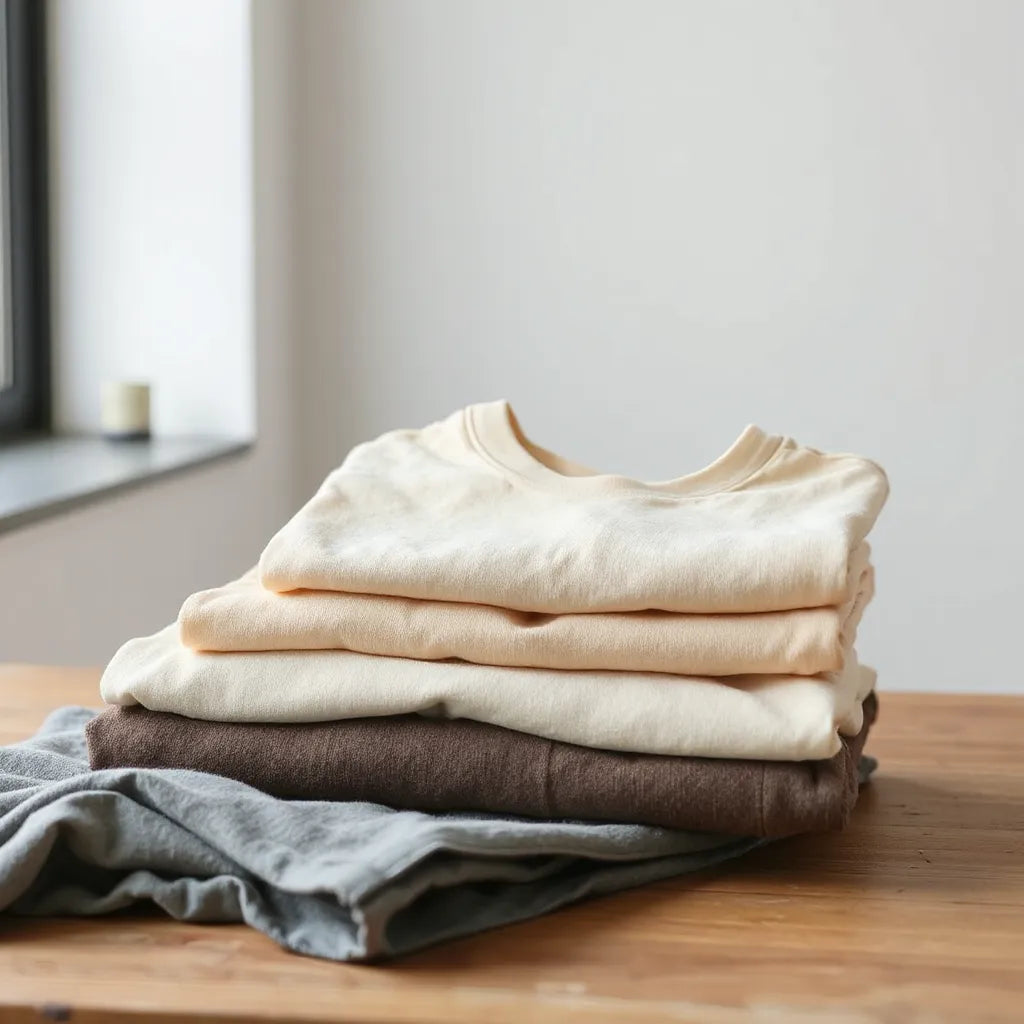
Dense fabric texture, visible knit pattern, structured silhouette
Product Spotlight: The Vintage-Game Plan for Heavyweight Tees
Let’s talk about what you are actually buying: a tee that looks good at day one and stays decent at day 120. If you are into vintage-inspired apparel, you probably like a “heritage, country-club” vibe—emerald and cream in your wardrobe, serif energy in your mind, and a t-shirt that does not act like it is auditioning for the role of disposable.
For heavyweight fabric t-shirts, the sweet spot is the one that gives you:
- A clean front: Less cling, fewer dramatic wrinkles, and a calmer drape.
- Reliable seams: A tee that keeps its shape around the collar and sleeves.
- Comfort you can live in: A heavyweight shirt should feel substantial, not scratchy.
- A canvas for graphics: If you love a small chest logo and a larger illustrated back graphic, thicker fabric helps the print area look more intentional.
At Crossbar Athletic, the style idea is simple: vintage-inspired apparel for the crossover crowd—hockey players who golf, golfers who play hockey. You want the tee to match that insider, no-hype attitude. A heavyweight shirt is a solid foundation for that look, because it holds the styling together.
If you want to browse the brand’s tees and build a uniform that feels like you found it in a club closet from 1997, start with the shop at Crossbar Athletic tees.
Step-by-Step: How to Choose the Right Heavyweight Fabric T-Shirt
Choosing the right heavyweight tee is mostly about avoiding two traps: buying something that is too bulky for your life, or buying something that is “heavy” on paper but weak in real life. Use this step-by-step like a checklist you wish stores included with the shirt.
-
Start with your ideal feel: Do you want a smooth, structured hand or a softer, broken-in vibe? Heavier fabric usually gives more structure, but quality brands keep it comfortable.
-
Check the collar: The collar should look sturdy and even. If it has a wild, wobbly shape before you wash it, it may continue that “I am chaos” behavior after laundry.
-
Look at the sleeve opening: A good heavyweight tee balances coverage with mobility. You want it to feel stable, not tight in a way that turns your arm swing into interpretive dance.
-
Pick your fit intention: Athletic, classic, relaxed—know what you want. A heavier knit can emphasize shape more than a thin tee. If you like a relaxed look, go slightly roomier. If you like clean lines, choose a fit that sits flat.
-
Consider your graphics: If you like illustrated back designs, thicker fabric can help the graphic area look less wrinkled. It is like giving your print a firmer stage.
-
Read care guidance: Some tees are easier to keep sharp than others. If the shirt demands fancy treatment, ask yourself whether you actually own the patience—or the schedule.
-
Test the “after-wash” promise: If a tee feels great but you know your laundry routine is a little wild, prioritize construction details. Collar recovery and seam stability matter more than hype.
And yes, you can absolutely wear a heavyweight tee in warm weather. You just have to choose the right balance of thickness and breathability. The goal is steady comfort, not a winter coat with delusions of summer.
Personal Experience: The Tee That Survived My Laundry Routine
I learned the value of a sturdier shirt the hard way. A couple years ago, I bought a tee that looked great in the mirror and felt like a marshmallow’s cousin. After a few washes, it turned into a sad, stretched version of its former self. The collar sagged like a tired stadium banner. The fabric started to look translucent in spots where it never used to. It was not a disaster—just a slow-motion comedy sketch.
So I switched to heavier, more structured tees. The first time I pulled one over my head, I felt it: the fabric had weight, but not drama. After washing, the tee still looked like it belonged to a person with standards. It was the kind of shirt that makes you stop worrying about your outfit and start worrying about whether you remembered your keys. That is the real victory.
Since then, I have treated heavyweight fabric as “wardrobe insurance.” You still have to choose the right size and care for it. But at least the tee does not fold under pressure like it is auditioning for a sad origin story.
How to Care for Heavyweight T-Shirts So They Keep Looking Good
Heavyweight tees earn their keep when you treat them decently. You do not need to baby them like a newborn turtle, but a few care habits will keep them looking sharper and lasting longer.
1) Wash with intention. Turn the tee inside out. Use cold or cool water when possible. Hot water can loosen fibers and speed up fading, which is not the style outcome you are after.
2) Choose a gentle cycle. If your laundry machine offers options, pick something less dramatic than “rocks the size of regret.” Gentle cycles reduce wear on seams and graphics.
3) Skip the high-heat dryer when you can. Air drying is the top-tier method. If you must use a dryer, choose lower heat. Excess heat can break down the fabric and damage the collar structure over time.
4) Iron strategically, not aggressively. Many heavyweight tees wrinkle less than lighter ones. When ironing is needed, keep it moderate and avoid heavy pressure on printed areas.
5) Store like a grown-up. Fold neatly or hang with enough space that collars do not get crushed. If you cram shirts into a drawer like you are packing for a sitcom, you will get creases and shape issues.
Care routine: folded tee, laundry symbols, warm sunlight drying
What about stains? Treat them early. Blot instead of scrubbing. Aggressive scrubbing can rough up the knit and create “patchwork” texture that no number of hopeful glances can fix.
With proper care, heavyweight tees usually keep their structure, color, and overall look. That means fewer wardrobe regrets and more outfits that feel ready without you doing extra work. You can thank your future self for not digging through the back of the drawer for a shirt that now looks like it lost a bar fight.
Summary and Recommendations
Heavyweight fabric t-shirts are a smart upgrade if you want a tee that stays structured, looks better over time, and handles regular life without collapsing into thin, stretchy disappointment. The best results come from choosing the right fit, checking collar and seam quality, and caring for the shirt with simple, steady habits.
Here are clear takeaways:
- Choose a heavyweight tee for better drape and improved fabric recovery.
- Prioritize collar stability, even stitching, and a fit that matches your preferred silhouette.
- Wash cold, turn inside out, and dry with lower heat or air drying for longer life.
- Pick a style you will actually wear often—your best tee is the one you reach for without negotiating.
If you want more wardrobe-friendly essentials from Crossbar Athletic, you can explore their tees through Crossbar Athletic, and if you are building a full look, check the company background at About Crossbar Athletic.
Q&A: Heavyweight Fabric T-Shirt Questions, Answered
Are heavyweight fabric t-shirts warmer than lighter tees?
They can be, but not always in the “can’t breathe” way people fear. Heavier knits often feel more insulated, yet good fabric blends and proper weave keep them wearable. If you run hot, look for a heavyweight tee that still feels soft and not overly dense for your climate.
Will a heavyweight tee feel stiff at first?
Some do, especially if the fabric is structured or tightly knit. Many quality heavyweight tees soften with wear and washing. The trick is choosing one that feels comfortable in the first week, not just promising future softness like a motivational poster.
How can I tell if a heavyweight t-shirt is truly high quality?
Examine the collar, seams, and overall construction. A strong collar holds its shape. Seams should look even and consistent. The fabric should feel dense without being rough. If the shirt looks ready to last, it usually is.
Is heavyweight the same as “premium”?
Nope. Heavyweight describes fabric density, not craftsmanship or softness. You can find well-made shirts in many weights, and you can find disappointing shirts that are “heavy” but flimsy in the details. Quality is in the build, the fabric behavior after washing, and how the shirt wears over time.
What is the best way to wash heavyweight tees without ruining them?
Turn the tee inside out, wash in cool water, and use a gentle cycle. Dry on low heat or air dry. These steps help preserve color, collar structure, and fabric integrity so your tee stays sharp longer.
Can heavyweight fabric t-shirts work for everyday outfits?
Absolutely. A sturdier tee is great for pairing with jeans, chinos, or shorts. It also looks better under a jacket because it holds shape instead of collapsing into a sad, wrinkled layer.
About the Author
Crossbar Athletic is a team with a soft spot for vintage-inspired apparel and the practical details that make it wear well: fabric, fit, and everyday durability. Their expertise focuses on tees and hoodies for the crossover crowd, with a heritage, club-style aesthetic that stays grounded. Thanks for reading—may your collars stay upright and your laundry be only mildly chaotic.