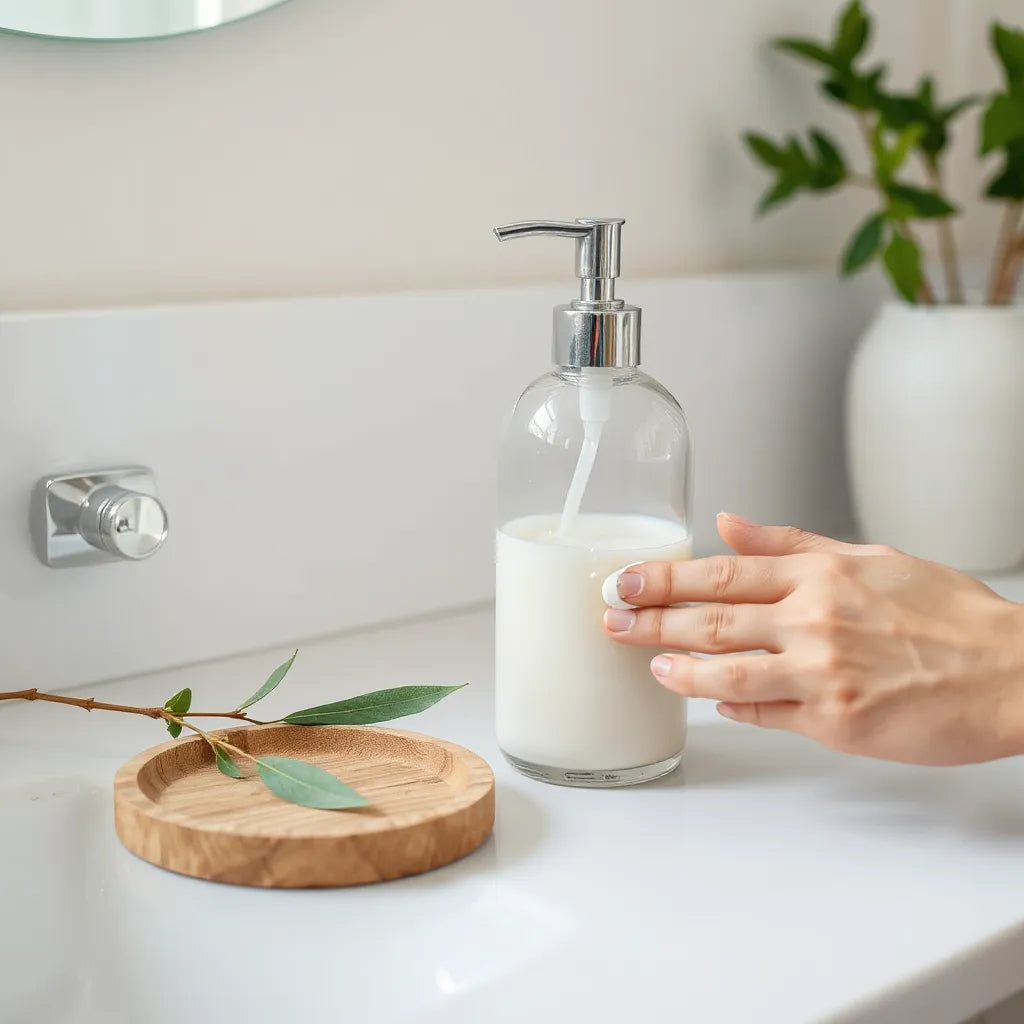
Vegan Body Lotions: How to Choose the Right Formula
Updated on: 2026-07-18
If your skin feels like it just finished a long road trip with the windows down, vegan body lotions can help you bring it back to “calm and comfortable” mode. This guide breaks down what to look for in a plant-based body lotion, how to apply it for real results, and how to avoid the sticky, greasy outcome that nobody asked for. You’ll also get simple steps for choosing scents, textures, and ingredients that fit your routine. By the end, you’ll know how to build a lotion habit that doesn’t require a philosophy degree.
- 1. What vegan body lotions actually are
- 2. Why vegan body lotions feel different
- 3. Key advantages of plant-based moisturizers
- 4. Quick tips for better skin comfort
- 5. How to choose the right lotion for your skin
- 6. How to apply lotion without turning into a slip-and-slide
- 7. Summary & next steps
What vegan body lotions actually are
Vegan body lotions are moisturizers made without animal-derived ingredients. That means no honey-based shenanigans, no lanolin-like “it’s complicated” vibes, and no ingredient that relies on animals for its main role. Instead, these lotions use plant-based emollients and skin-friendly ingredients to help support hydration and comfort.
Think of your skin like a vintage leather jacket. It doesn’t need drama; it needs conditioning. When the jacket dries out, it gets stiff and unhappy. Lotion works similarly: it helps keep the skin barrier comfortable so your arms and legs stop feeling like they’re auditioning for a sandpaper commercial.
One more thing: vegan doesn’t automatically mean fragrance-free, ultra-lightweight, or miracle-working. It’s a formulation choice, not a personality. The best vegan body lotion for you depends on your skin type, your climate, and how fast you want to move after applying it.

Hands applying lotion to smooth, dry patches concept
Why vegan body lotions feel different
Some lotions feel rich because of their ingredient base. Others feel rich because of how they spread and how fast they sink in. Vegan formulas often use alternative emollients that can create a similar “softness” effect without relying on animal-derived materials. That can mean a more consistent glide, a cleaner feel, or a gentler finish—depending on the brand and the blend.
Also, plant-based ingredients can offer variety. You might notice lotions that feel calming, lotions that feel lightweight, or lotions that lean into a thicker, overnight comfort vibe. The trick is matching the texture to your routine. If you hate sticky layers, choose a lotion that’s designed to absorb quickly. If you’re the “I don’t sleep, I moisturize” type, a thicker lotion might be your new co-pilot.
Crossbar Athletic isn’t in the lotion business, but our customers often ask the same question: “Will it feel like I’m wearing a lotion helmet?” Usually the answer is: it depends. The ingredient list and the texture matter more than the label.
Key advantages of plant-based moisturizers
- Comfort without compromise: Vegan body lotions aim to support skin comfort using plant-based ingredients, making it easier to stick with a routine you actually enjoy.
- More control over your choices: If you prefer to avoid animal-derived ingredients, you can shop with clarity and consistency across your skincare shelf.
- Variety for different skin moods: Many plant-based lotions come in multiple textures, from quick-absorbing to deep-hydrating.
- Often a calmer sensory experience: Some formulas are designed to feel smooth, not greasy. Your clothes will thank you.
- Easy to layer: Lotion pairs well with simple habits like exfoliation and gentle cleansing, without turning your bathroom into a science lab.
Quick tips for better skin comfort
- Apply right after a shower: Pat skin, then moisturize while it’s still slightly damp.
- Use less than you think: Start with a small amount, then add as needed. Over-application can feel sticky.
- Focus on friction zones: Elbows, knees, shins, and forearms often need extra attention.
- Match texture to time: For daytime, choose lighter. For nighttime, choose richer.
- Don’t forget hands and feet: They’re the busiest body parts and usually the first to complain.
How to choose the right lotion for your skin
Choosing vegan body lotion can feel like picking a playlist: you want the right vibe, not random tracks you’ll skip later. Start with three simple checkpoints.
1) Look for your skin’s “need state”
Dry skin often wants richer textures and a longer-lasting feel. If your skin gets tight after washing, aim for a lotion that supports hydration. If your skin feels normal but just needs daily comfort, a lighter lotion may be the sweet spot.
2) Decide on the finish you like
Some lotions absorb fast and leave a soft finish. Others stay comfortable longer but feel thicker. There’s no universal winner. Your best match is the one that makes you actually apply it consistently.
3) Check scent preferences
Fragrance is personal. If you like a light, fresh scent, go for it. If you prefer minimal sensory input, choose a formula with a gentler profile. When in doubt, start with a mild option and see how your skin and nose react after a few days.
If you also enjoy pairing products, you can explore complementary skincare categories on our site. For example, if you’re building a hydration routine, you might like browsing hydrating products for ideas that fit a simple daily rhythm.

Bathroom scene with lotion concept and clock-like timing
How to apply lotion without turning into a slip-and-slide
Let’s get practical. Lotion application should feel like a calm ritual, not a wrestling match with your own arms. Here’s a simple method that keeps things effective and avoids the “why do my hands feel like salad dressing?” problem.
Step 1: Start with clean, slightly damp skin
After bathing, pat instead of rubbing. Damp skin helps lotion spread and absorb more evenly. If you skip this and apply to fully dry skin, you may need more product, and it can sit on top instead of blending in.
Step 2: Use a small amount, then build
Warm the lotion between your palms for a second. Then apply in smooth strokes. For legs and arms, start at the outer edges and work inward. If you need more coverage, add a little more rather than doubling the first scoop.
Step 3: Pay attention to coverage patterns
Most people rush the inner elbows, ankles, and the back of the arms. Those areas often dry out first, especially if you wear short sleeves in warmer weather or spend long hours in air conditioning.
Step 4: Give it a minute before clothes
Most lotions need a short window to settle. If you dress immediately, you might transfer product to fabric. That’s not dangerous, it’s just annoying—like putting on a new tee and discovering your deodorant also moved in. Waiting a minute helps the lotion absorb and finish comfortably.
Step 5: Reapply strategically
If your day involves lots of handwashing or long outdoor time, consider reapplying to dry areas. A second pass on friction zones is usually enough. Your skin doesn’t need a full-body re-enactment every hour.
For those who like mixing routines, remember: keep it simple. Lotion plus gentle exfoliation can be a nice combo, but you don’t have to do everything at once. If you’re also curious about exfoliating steps, you can check an exfoliating scrub as part of an occasional routine.
Summary & next steps
Vegan body lotions are a straightforward way to support daily skin comfort without animal-derived ingredients. The biggest wins come from choosing the right texture, applying on slightly damp skin, and matching your finish preference to your routine. If your skin feels dry or tight, start with a thicker lotion at night and a lighter one during the day. Then keep going long enough for your skin to notice, because moisturizers work like good coaching: slow, steady, and surprisingly effective.
Next step: pick one vegan lotion you enjoy using, commit to applying it consistently, and adjust texture or scent if your skin gives feedback. If you want to build the rest of your routine, browse organic skincare for ideas that match your vibe.
Q&A Section
Are vegan body lotions better than regular lotions?
“Better” depends on your priorities. Vegan body lotions can be great if you avoid animal-derived ingredients and want plant-based alternatives. In terms of performance, the texture, ingredient blend, and how you apply the lotion usually matter more than the vegan label alone. Choose based on how your skin feels after a week, not just how it sounds on the jar.
How often should I apply vegan body lotion?
Most people do well with daily application, typically after showering and as needed in dry areas. If your skin gets tight quickly, apply once in the morning and once at night. If you’re more on the “normal but needs comfort” side, one routine after bathing can be enough. Your skin’s feedback is the only schedule that actually counts.
Will vegan body lotion be greasy or sticky?
Some formulas can be thicker and take longer to absorb, which may feel sticky at first. To avoid that, choose a lighter texture for daytime and use smaller amounts at a time. Also, apply to slightly damp skin and give it a minute before dressing. If you notice tackiness, switch to a different texture rather than forcing more product.
Can I use vegan body lotion on sensitive skin?
Many people can, but sensitive skin varies. Look for a formula with a gentle ingredient profile and consider fragrance preferences. If you’re prone to irritation, try it on a small area first and observe how your skin reacts over a couple of days. Patch testing is the least dramatic way to confirm compatibility.
Does lotion help with dry skin instantly?
It often feels better quickly because moisturizers make the skin feel softer right away. Long-term comfort depends on consistent use and supporting your skin barrier. In other words, it’s not instant magic, but it is quick relief—and that counts as something in your busy day.
About the Author Section
Crossbar Athletic
Crossbar Athletic is a vintage-inspired brand for the crossover crowd, with a heritage, country-club feel and a practical approach to everyday essentials. Our team focuses on clear guidance, dry humor, and helpful routines that fit real life, not a fantasy schedule. Thanks for reading—may your skin feel soft and your clothes stay where they belong.
Disclaimer: This article is for general informational purposes only and is not medical advice. Results vary by person, and you should follow product label instructions. If you have a skin condition or ongoing irritation, consult a qualified healthcare professional.