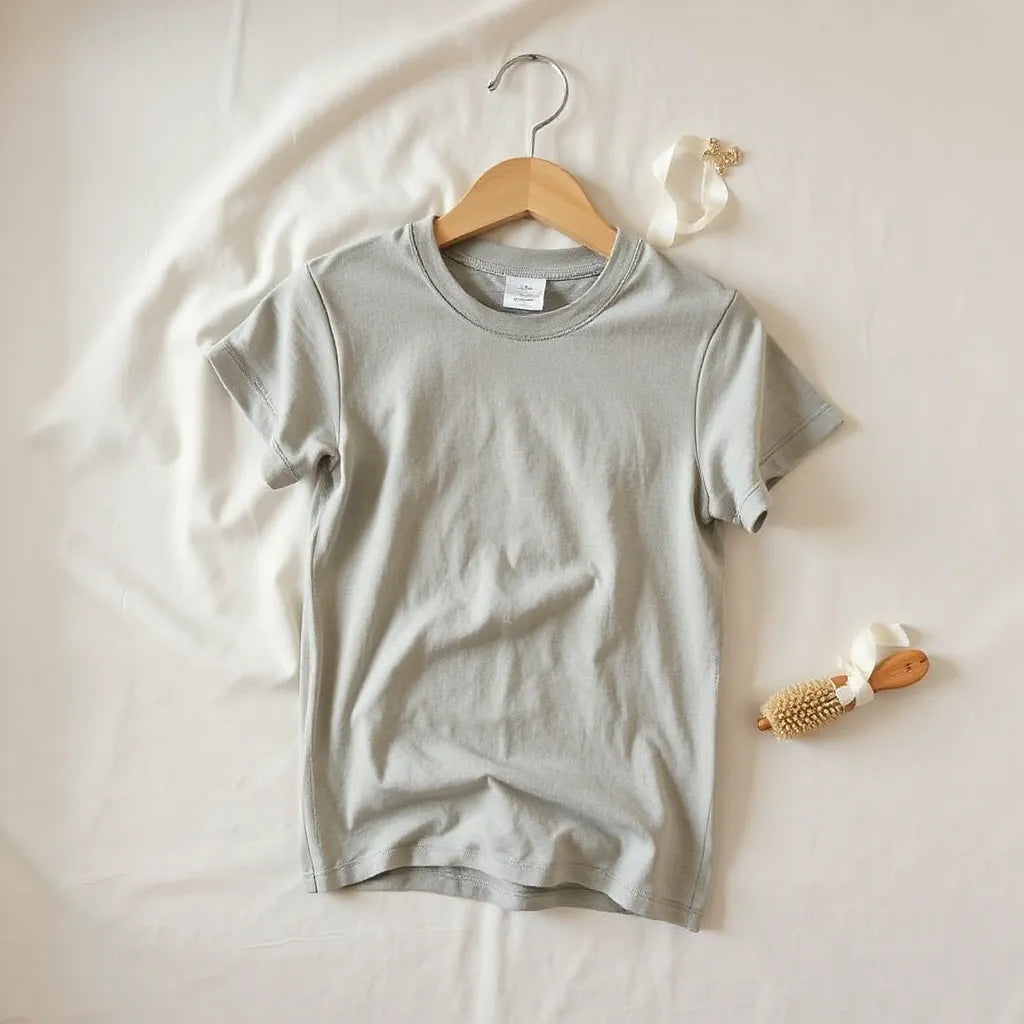
Soft and Durable Tee: Fabric Feel, Fit, and Care Tips
Updated on: 2026-07-15
If you are shopping for a t-shirt, you have probably met the classic enemies: scratchy seams, stubborn wrinkles, and that “why does this feel different?” moment after a few washes. That is where a soft and durable tee earns its keep.
This guide breaks down what “soft” really means (beyond vibes), what “durable” looks like in the fabric and stitching, and how to avoid tees that pill like they are auditioning for a lint-based talent show.
You will also get a practical buyer’s checklist, simple care tips, and a few quick comparisons to help you pick the right level of comfort for your daily rotation.
By the end, you will know how to spot a tee that can take a beating without turning into a floppy, faded souvenir.
If comfort had a batting average, a soft and durable tee would be that reliable player who shows up, swings clean, and never seems to get benched after the first week. The best tees feel good on day one, hold their shape on day fifty, and do not turn into sad, thin ghosts after a few wash cycles.
This post is for anyone who wants a shirt that stays pleasant against the skin and tough enough for real life: coffee spills, couch naps, and that “I forgot I was wearing this” sprint to the door. We will cover what to look for, what to avoid, and how to choose fabric and fit that behave like you want them to.
Did You Know?
- “Soft” is not one thing. It can come from fiber type, yarn processing, and how the fabric is woven or knitted.
- Pilling is not just annoying; it is a sign of friction and fiber behavior. Some fabrics shed surface fibers faster than others.
- Stretch and recovery matter. A tee that collapses after washing often lacks good structure in the knit.
- Seams and collar finishing are like the tee’s backbone. Weak stitching shows up sooner than you think.
- A well-chosen tee can feel better over time as it breaks in, instead of getting rougher like a forgotten dish sponge.
Comparison: Pros & Cons
-
Soft tee options (general)
- Pros: Comfortable right away, usually smoother against skin.
- Cons: Some “ultra-soft” fabrics can pill or thin out faster.
-
Durable tee options (general)
- Pros: Holds shape better, resists abrasion and everyday wear.
- Cons: Some can feel stiffer at first, especially when they are thicker.
-
Soft + durable combination
- Pros: Comfort you notice immediately, and structure that lasts through washes.
- Cons: You might pay a little more upfront—but your future self will thank you.
Buyer’s Checklist
Before you click “add to cart” like you are swatting a rogue fly, use this checklist. It is designed to help you find the balance between comfort and longevity, without relying on hopeful guesswork.
- Fabric feel: The tee should feel smooth, not fuzzy. If it feels rough in the first five seconds, it usually gets worse.
- Recovery: Look for a neckline that springs back rather than stretching out like a tired elastic band.
- Collar finish: A reinforced collar and clean stitching usually means fewer saggy necklines.
- Seam strength: Check for tidy stitching. Loose seams are the tee’s way of saying “I will fail dramatically.”
- Weight and drape: You want a fabric that drapes well but does not feel flimsy. Think: solid, not paper.
- Wash behavior: If the tee shrinks easily or goes wrinkly fast, durability drops. Your time is too valuable for endless ironing.
- Color retention: Dark shades that fade quickly usually fade evenly at least—still, you want longer life.

Neckline close-up, stitches, and fabric texture cues
How to Choose a Soft and Durable Tee
Let’s talk strategy. A soft and durable tee is not a magical unicorn; it is a blend of smart materials, solid construction, and honest expectations.
1) Start with the fiber, not the hype
When people say a tee is soft, they are often reacting to the fiber’s touch. Cotton is the usual main character here. But not all cotton is equal. Some blends and yarn processes create a smoother surface that feels pleasant right away, while also holding up to daily wear.
If the tee feels good but fails quickly, you likely have friction-prone fibers or a knit that loses integrity with washing. If it is durable but stiff, the fabric may need a break-in period or might be heavier than you prefer.
2) Look at the knit and the weight
The knit affects breathability, shape, and how the fabric handles stress. A denser knit often resists wear and helps maintain the tee’s form. Meanwhile, too light a fabric can go translucent around the edges after enough cycles of life.
In vintage-inspired apparel circles, we tend to prefer fabric that feels stable. You want a tee that drapes like it belongs on your body, not like it is trying to retire early.
3) Necklines are the truth tellers
Collars take a beating. They stretch, they rub, they fold under hoodies and seatbelts. A well-made neckline often uses better finishing techniques and stronger knitting patterns. The result: less sagging and fewer “why is my collar wider than my shoulders” surprises.
If you are buying online and cannot touch the shirt (tragic, I know), focus on descriptions that suggest reinforcement, structured ribbing, or quality finishing. If the listing is vague about construction details, your best move is to prioritize overall reviews of durability.
4) Stitching and seams: the backstage crew
Durability usually shows up in the stitching. Look for seams that lie flat, feel consistent, and do not appear like they are stitched by a sleep-deprived raccoon.
For tees that live in the real world, reinforced seams and tidy construction are a strong sign that the shirt can handle repeated wear without falling apart at the edges.
Care Tips That Keep It Soft
Even the best tee can get grumpy if you treat it like it is going to the dryer championships every week. Here are care habits that keep a soft feel longer and improve durability.
Wash smarter, not harder
- Wash cold when possible: Cooler water helps preserve fibers and can slow down fading and wear.
- Gentle cycle: The less tumbling, the less friction, and the less pilling trouble.
- Turn it inside out: This can help protect printed areas from rubbing.
Dry like a minimalist
- Air dry for maximum longevity: If you have room, hang-dry is the most reliable approach.
- Low heat in the dryer: Heat accelerates breakdown. Low heat is like choosing the gentler referee.
Ironing and wrinkles
If your tee comes out wrinkled, do not panic. Smooth it out while it is slightly damp, or use a low-heat setting. High heat can stress fibers and make wear more likely.
Rotations help
Wearing the same tee day after day is like repeating the same joke until people stop laughing. Rotate your tees so each one gets a breather. Your wardrobe will last longer, and your nose might even forgive you.

Care icons: cold wash, gentle cycle, low heat
On that note, if you want a tee that matches a classic, heritage vibe and stays put through everyday wear, consider pairing your comfort-first tee with other wardrobe pieces that share similar construction-minded design. Tees and trucker looks go together like fries and a sports documentary: not complicated, just satisfying.
Crossbar Athletic Embroidered Trucker, https://cdn.shopify.com/s/files/1/0763/9577/4004/files/20260609162302-1f1641f7-c9bb-67f0-a0ea-6a94e8f1f7d8.png?v=1781022520, https://www.crossbarathletic.com/products/crossbar-athletic-embroidered-trucker
Final Thoughts & Advice
Buying a tee should not feel like negotiating with your future laundry basket. Aim for a fabric that feels smooth, a neckline that holds its shape, and construction that can take everyday friction without turning into a fuzzy science experiment.
If you are unsure where to start, pick one “go-to” tee that hits your comfort needs and suits your usual routine. Then treat it well: wash cold, reduce friction, and give it time to dry properly. That is how soft stays soft, and durable keeps doing its job.
For more everyday style decisions from the folks who understand vintage-inspired apparel for the crossover crowd, you can explore our collection approach at about our brand and see how the pieces are meant to be worn together. And if you are building an outfit that leans heritage and classic, the small logo-and-graphic balance in this world is surprisingly forgiving.
Q&A Section
How can I tell if a tee will stay soft after washing?
Look for fabric that is described as smooth and for construction details like a well-finished neckline. Softness that disappears quickly is often tied to pilling-prone fibers or a knit that degrades with heat and friction. Also, gentler wash habits help more than you would think.
What makes a tee more durable: thicker fabric or better stitching?
Both matter, but stitching is often the silent hero. Thicker fabric can resist wear longer, yet weak seams can still fail. A durable tee usually combines solid seams, stable knit structure, and finishing that holds up to repeated washing.
Is a “heavier” tee always better for durability?
Not always. Heavier tees can last, but they can also feel stiffer and may require more break-in time. The best choice is the one that matches your comfort preference while still feeling structured and not flimsy.
What causes pilling, and how do I reduce it?
Pilling usually comes from fiber friction, washing agitation, and how the fabric handles wear. To reduce it, wash gently, avoid high heat, and consider air drying. Turning the tee inside out can also help protect the outer surface.
About the Author
Crossbar Athletic
Crossbar Athletic is a brand that geeks out over vintage-inspired apparel for the crossover crowd, where hockey players borrow golf style and golfers borrow hockey energy. Our expertise is in comfort-first tees and everyday classics with heritage vibes, built for repeat wear. Thanks for reading, and may your collars stay upright and your tees stay soft.
Disclaimer: This article provides general shopping and care guidance. Results vary by fabric blend, manufacturing, and personal wash and dry habits. Always follow the care instructions on the garment label.