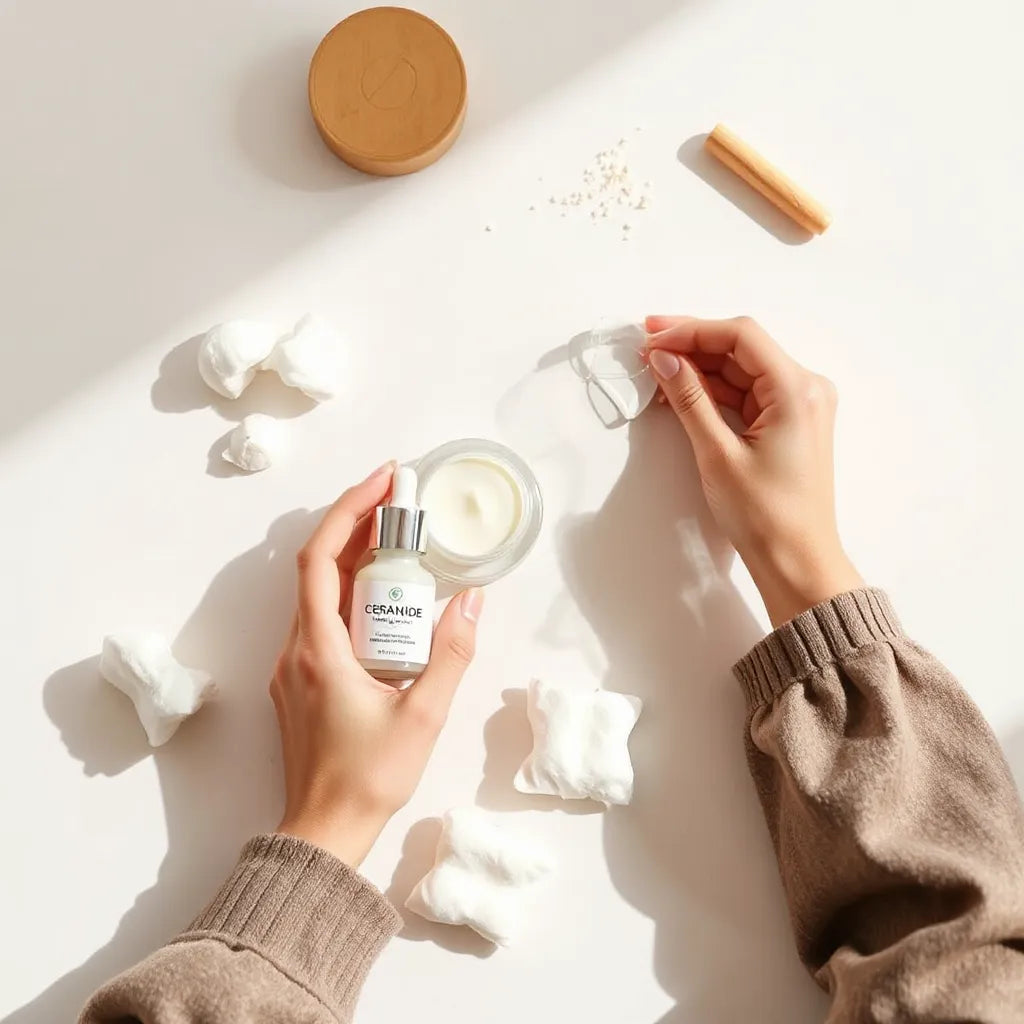
Sensitive Skin Solutions: Gentle Care for Daily Comfort
Updated on: 2026-07-24
Sensitive skin can feel like your face is running a tiny protest every time you wash it. That’s where sensitive skin solutions come in: gentle routines, calm ingredients, and smart product habits. This guide breaks down common missteps, what to look for on labels, and how to build a routine that doesn’t trigger the drama. You’ll also get a quick checklist and an FAQ for the moments when your skin says, “Nope,” in its own quiet way.
Table of Contents
- Common Mistakes
- Buyer’s Checklist
- How to Build a Calm Routine (Without Guessing)
- Soothing Ingredient Roundup
- Testing and Patch Strategy
- What to Do When It Gets Worse
- FAQ
- Wrap-Up & Final Thoughts
Common Mistakes
Sensitive skin often reacts to more than just “bad” products. Sometimes it’s the combo. Like wearing a scratchy scarf, eating a spicy snack, and then wondering why your face has opinions. Below are the usual suspects.
- Over-exfoliating: If your routine sounds like a sanding project, your skin will eventually file a complaint.
- Switching products too often: Skin likes consistency. Constant new launches can turn your bathroom into a revolving door.
- Using harsh cleansers: Foaming isn’t automatically the villain, but stripping cleansers can leave skin feeling tight and cranky.
- Skipping moisturizers: Even oily skin needs hydration. Think of moisturizer as the “stop drop and calm down” for your face.
- Layering incompatible products: Multiple actives at once can be like hosting three loud house guests. It’s not personal; it’s just too much.
- Ignoring fragrance: Fragrance and essential oil blends can be delightful—until they aren’t. If your skin is sensitive, treat scent like a spicy rumor.
Buyer’s Checklist
When you’re shopping for gentle care, you want fewer surprises and more “this seems reasonable.” Use this checklist like a dry, nostalgic bouncer at the club door.
- Choose a cleanser built for sensitive skin: Look for a mild, non-stripping formula.
- Prioritize hydration: Ingredients that support the skin barrier are the backbone of many calming routines.
- Check the ingredient style: Fewer red-flag irritants often means fewer “why is my face yelling?” moments.
- Be cautious with strong exfoliants: If you love a scrub, pick one that is gentle and use it sparingly.
- Keep a small routine: Start with a cleanser, moisturizer, and one optional treatment.
- Patch test before committing: Your skin may be polite at first, then reveal the truth later.
- Watch for triggers: Heat, friction, and rough towels can matter as much as the product.
If you want a place to start, you can browse a calm direction with an easygoing cleanser. Pairing it with hydration-based care can keep your routine from turning into a soap opera.
How to Build a Calm Routine (Without Guessing)
Sensitive skin solutions work best when they’re part of a simple plan. Instead of stacking five steps and hoping for the best, build a routine that behaves like a good playlist: familiar, steady, and not trying to reinvent your day.
Morning (keep it light):
- Rinse or use a gentle cleanser if needed.
- Apply a moisturizer that supports comfort.
- If you use any additional products, keep them minimal.
Evening (clean and restore):
- Cleanse gently.
- Moisturize while skin is slightly damp.
- If you’re adding one treatment, choose carefully and start slow.
If your skin barrier feels fragile, aim for hydration first. You can find a simple option like a moisturizing face cream and keep your routine steady for a few weeks before changing anything major.

Three-step routine visuals: cleanser, moisturizer, calm air
Soothing Ingredient Roundup
Ingredients are the cast of your skincare show. The goal is to keep the supporting characters calm and avoid inviting the villains to the premiere.
Look for barrier-supporting hydration
Many people with sensitive skin feel better when hydration is consistent. Moisturizers often include skin-friendly components that help reduce that dry-tight feeling.
Keep aloe in your corner
Aloe vera is often used for soothing comfort and gentle hydration. If your routine needs a little “hold on, we’re okay,” aloe can be a steady ally.
For an aloe-first mindset, consider browsing aloe vera gel as a simple add-on step.
Be thoughtful with plant extracts
Plant-derived ingredients can be great, but “natural” doesn’t always mean “automatically friendly.” Still, some herbal blends are designed to keep things gentle. If you prefer that direction, explore herbal remedies and choose what fits your comfort level.
Use exfoliation like you mean it
Exfoliation can be useful, but sensitive skin doesn’t want a constant battle. If you’re drawn to scrubs, choose a gentle option and avoid going too hard too often. A softer approach is usually the winning move.
If you want an example of a milder exfoliating path, you can explore exfoliating scrub while keeping frequency modest.
Testing and Patch Strategy
Patch testing is the boring part of skincare, which is exactly why it works. Your skin will tell the truth. Usually within a day or so, but sometimes it needs a little time to show its full feelings.
Basic patch test steps:
- Choose a small area, like behind the ear or along the jawline.
- Use the product exactly as you normally would.
- Wait and watch for redness, burning, or swelling.
- If it reacts, don’t “power through.” That’s not a motivational poster moment.
When to test: Start before you use a new product on your whole face. If you’re already using multiple actives, introduce only one change at a time.
How long to keep your routine steady: Give your skin a chance to adjust. Frequent changes can make it impossible to figure out what caused the reaction.
What to Do When It Gets Worse
Sometimes your skin throws a tantrum. Maybe it’s dryness, maybe it’s redness, maybe it just feels like you rubbed a tiny sandpaper conference under your eyes. When that happens, go back to basics and remove the variables.
- Pause new products: Stop anything introduced recently.
- Use gentle cleansing only: Keep it simple and non-stripping.
- Moisturize consistently: Hydration helps your skin recover its comfort.
- Avoid exfoliation and strong actives: Think “cool down,” not “turn it up.”
If symptoms persist or worsen, it’s wise to talk with a qualified healthcare professional. This article is for general guidance and skin-care education, not for diagnosing or treating any condition.

Calming recovery scene: damp cloth, gentle layers, soft focus
FAQ
What are sensitive skin solutions, exactly?
Sensitive skin solutions are simple skincare strategies that reduce irritation risk. That usually means gentle cleansing, consistent hydration, careful ingredient choices, and slow changes when you’re testing new products.
How do I tell if a product is irritating my skin?
Watch for redness, burning, stinging, unusual dryness, or swelling after use. If you notice these effects, stop using the product and try a simpler routine with fewer steps until your skin feels calm again.
Should I avoid fragrance and essential oil blends?
Not everyone needs to avoid scent, but sensitive skin often reacts more easily. If you have a history of discomfort, consider choosing fragrance-light formulas and patch testing any essential oil blend before regular use.
Can I still use exfoliating products if my skin is sensitive?
Sometimes yes, but keep it gentle and infrequent. Start with a softer exfoliating approach, and don’t combine multiple exfoliating products at once. Consistency and restraint usually beat “more is more.”
Wrap-Up & Final Thoughts
Sensitive skin solutions aren’t about finding one magical bottle that never misses. They’re about building a routine your skin can tolerate—then repeating it like a reliable habit, not a seasonal trend. Start gentle, keep your steps minimal, and patch test when something new enters the lineup.
If you’re ready to refine your care, begin with a mild cleanser and a comforting moisturizer, then expand only when your skin proves it can chill. For more shopping inspiration in a calmer direction, you can explore organic skincare and build from there.
Disclaimer: This content is for general skincare education and is not medical advice. If you have persistent or severe symptoms, seek guidance from a qualified healthcare professional.
Q&A Section
How long should I try a routine before judging results?
Give your routine time to settle, especially if your skin tends to react. Changing products too quickly can turn progress into a mystery novel where every chapter is a new cleanser.
What’s the safest way to introduce a new product?
Introduce one change at a time. Use patch testing first, then use it consistently without layering in other new ingredients during the same window.
Is it normal for sensitive skin to fluctuate day to day?
Yes. Skin comfort can vary with weather, friction, sleep, and stress. When your routine is steady and gentle, your skin usually has less to complain about.
About the Author
Crossbar Athletic shares practical skincare guidance with a vintage, no-drama mindset. Their expertise focuses on ingredient-aware routines and calm product habits for everyday life. Thanks for reading—may your bathroom shelves stay orderly and your skin stay comfortably unimpressed.