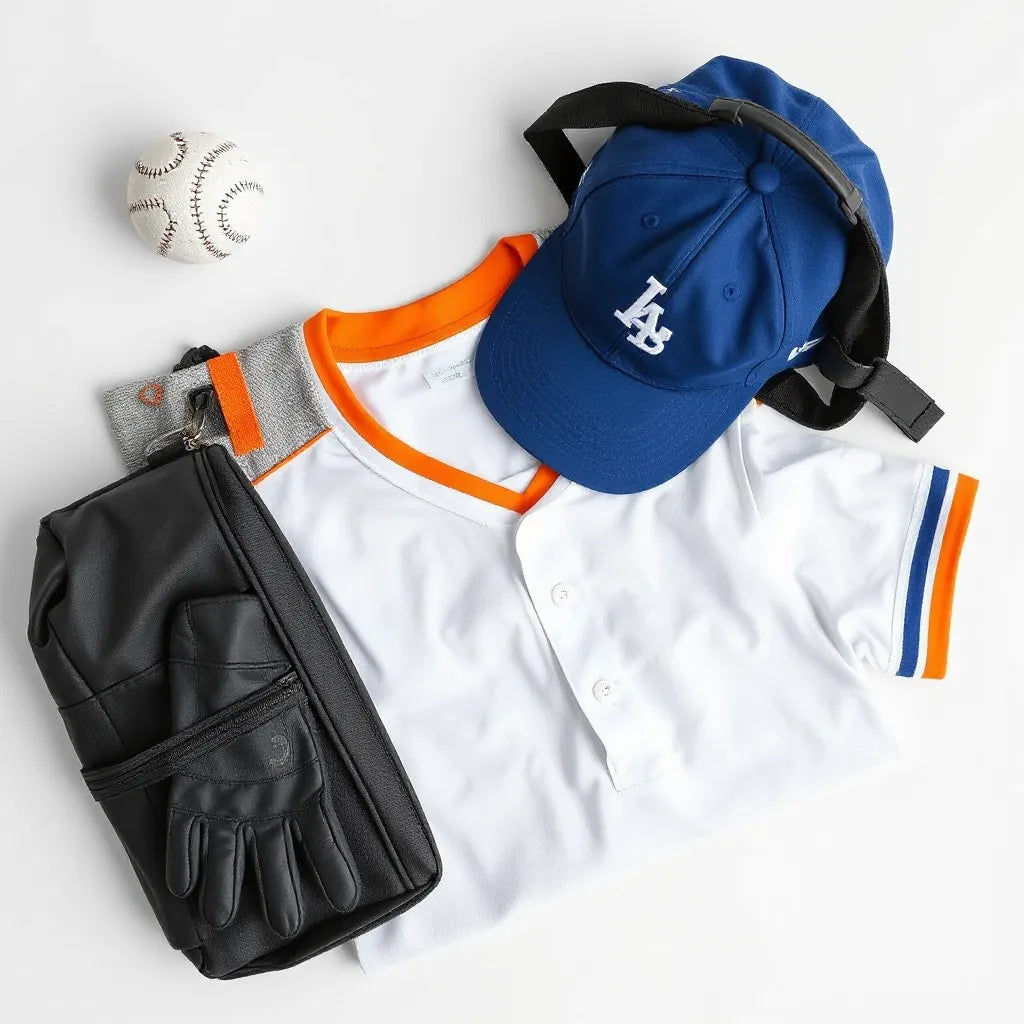
Personalized Sports Gear Ideas for Every Athlete
Updated on: July 14, 2026
If you’ve ever bought gear and thought, “This fits… emotionally,” you’re in the right place. Personalized sports gear is how you dial in the details so your kit feels like it belongs to you, not a random teammate from another zip code. It can also help you look sharp on the field, in the stands, or wherever you do your crossover athletics. In this guide, we’ll separate common myths from practical choices, then walk through a simple way to plan your order without turning it into a saga.
Why personalized sports gear feels like a cheat code
Let’s be honest: most sports gear is designed for the “average human,” which is a bold marketing way of saying it fits nobody exactly. You know the type—shirts that tug at the collar like they’re trying to escape, hoodies that bunch in the wrong places, and gear that looks great in photos but behaves like a moody houseguest once you wear it.
Personalized sports gear changes that. It lets you choose the details that make the piece yours: fit preferences, naming, team identifiers, and design placement. Think of it as ordering your outfit the way you’d build a playlist—your rules, your vibe, your memories stitched into the day.
And if you’re into vintage-inspired apparel—emerald-and-cream energy with a serif kind of confidence—this is where the crossover crowd starts smiling. You’re not trying to be louder. You’re just trying to be you, clearly, from the first warmup to the last “one more rep.”
Myths vs. Facts
-
Myth: Personalized gear is only for teams with sponsors and spreadsheets.
Fact: Individual athletes, weekend warriors, and “I brought my own snacks” regulars personalize all the time. You can keep it simple and still make it feel right.
-
Myth: Adding your name or number always makes the piece look flashy.
Fact: Placement and scale matter. A small chest logo or a clean identifier can feel classic, not carnival.
-
Myth: Personalization is complicated and turns checkout into a full-time job.
Fact: With a quick plan (fit, placement, sizing notes), the process is usually straightforward. Less guesswork, more wearing.
-
Myth: Customized items don’t last as long.
Fact: Quality materials and proper care do the heavy lifting. Personalization isn’t the part that ruins the hoodie; neglect is.
Step-by-Step Guide
-
Pick your “main goal.” Decide whether you want the fit to feel better, the design to look more like you, or the identifiers to be clear at a glance.
-
Choose your sizing plan. Measure what fits you now (not what you want to fit someday). Compare it to the size chart using your usual comfort level: snug, standard, or relaxed.
-
Select what you’re personalizing. Name, number, initials, or design placement—keep it intentional. Too many choices can turn “personal” into “committee meeting.”
-
Think about where people will see it. Chest, back, sleeve, or front—choose the visibility that matches your sport days, practice days, and casual days.
-
Confirm spelling and formatting. Yes, even if you think it’s obvious. Gear is forever-ish, and typos have a way of starring in the background of every photo.
-
Review the final preview (if offered). Check alignment, spacing, and overall vibe. Then hit order and enjoy the quiet satisfaction of doing it right.
Where personalization matters most
Personalization isn’t just decoration. It’s wayfinding for your future self. The first time you walk into a gym, a club, or a rink, you want to find your gear fast and look like you planned it. The details you choose should earn their keep.
Here are a few high-impact areas to consider:
-
Back graphics: Big, illustrated back art turns “sports hoodie” into “story hoodie.” It’s what people notice from across the room, before anyone even asks what league you play in.
-
Small chest branding: Subtle and dependable. It reads classic and gives the piece a finished look, even when you’re wearing it off-duty.
-
Identifiers: Names or numbers help prevent the “Wait, whose hoodie is this?” moment—the universal mystery of shared lobbies.
-
Fit: If the sleeves run long or the body is too boxy, you’ll feel it all season. A comfortable fit is the personalization that lasts.

Concept art: back silhouette, label tags, clean alignment
Care and Comfort (So it lasts longer than your hype)
Personalized sports gear should live a full life: pregame nerves, postgame celebrations, and the occasional “I’ll just wear it to grab coffee.” To keep the design looking crisp and the fabric behaving like a well-trained dog, follow a few basics.
Wash like a grown-up
Turn garments inside out when possible. Use cold water and a gentle cycle if your machine offers it. Skip the heavy fragrances. Your hoodie’s job is to be a hoodie, not a scented candle.
Dry with restraint
Air drying usually helps designs stay sharp. If you must use a dryer, choose low heat. High heat is like telling a classic jersey, “Let’s see what happens.” Spoiler: it usually doesn’t go great.
Store it thoughtfully
Hang hoodies if you can, especially after a wash. Fold if you’re tight on space, but avoid tight compression on printed areas. A little breathing room keeps the piece looking intentional.
Comfort check: the “no surprises” method
Before the first full season, wear it on an easier day. If anything feels off—neckline, sleeve length, waistband tightness—you’ll catch it early. Better to adjust your expectations now than to spend the season learning interpretive dance to scratch an itch.
Style pairing tips for a vintage-crossover look
Vintage-inspired apparel has a certain quiet confidence. It doesn’t shout, it smirks. The crossover crowd knows the vibe: clean colors, classic shapes, and graphics that look like they’ve been in your family for years.
To make your personalized piece feel like it belongs in your closet (and not like a costume you forgot to take off), pair it with basics that don’t compete. Think neutral pants, a simple cap, and shoes that can handle real sidewalks, not just landing pages.
If you want a clean starting point, consider pairing your hoodie with timeless wardrobe staples and focusing your personalization on the focal design—usually the back illustration—so the whole look stays balanced.
Want inspiration from the brand world where hockey meets golf? Take a peek at our brand story.
How to choose personalization options without overthinking it
Most people don’t need twelve customization choices. They need three good ones. Start with the detail you’ll notice daily, then add one extra for clarity in photos or team settings.
Try this “two-plus-one” rule:
-
Two choices for style: design placement and a color tone that matches your usual wardrobe.
-
One choice for function: name, number, or identifier so it’s easy to claim your own gear.
You’ll end up with a piece that feels coordinated, not complicated. And you’ll avoid the classic trap of changing your mind three times before checkout like it’s a reality show.

Concept visuals: folded fabric, low-heat symbol, crisp label
Frequently Asked Questions
Does personalized sports gear require special sizing?
Most people use standard sizing, then fine-tune using your usual fit preference. If you’re between sizes, choose based on how you like your hoodie to drape during practice and travel.
Will the design or identifiers feel uncomfortable?
Generally, personalization is placed to look good and avoid distracting friction points. If you’re sensitive around seams or tags, check the garment’s typical comfort profile and wear-test on a lighter day.
Can I keep it looking fresh season after season?
Yes. Cold washes, gentle drying, and careful storage are the boring heroes that keep the graphics and fabric in decent shape.
Q&A Section
How do I decide between name and number for my personalized sports gear?
If your gear is mostly for personal use and photos, initials or a name can feel warmer and more “you.” If you’re sharing space with teammates or you want quick identification during hectic days, numbers can be clearer at a glance. The best choice is the one that reduces confusion while still matching your vibe.
What if I’m worried about the design placement looking weird on different body types?
Placement usually follows consistent garment layouts, so it typically looks intentional across sizes. The easiest safety move is to review any preview and choose a scale that matches the garment style. A small chest detail often reads classic across the board, while bold back art adds drama without needing to chase perfect anatomy.
Are personalized pieces hard to match with everyday outfits?
Not at all. Keep the rest of your outfit simple and let the personalized element do the talking. A vintage-inspired hoodie over neutral pants is the most reliable play. If you’re unsure, pick one standout detail (often the back graphic) and skip extra loud elements elsewhere.
Summary & Key Takeaways
Personalized sports gear is about fit, identity, and the little choices that make your gear feel like it’s been waiting for you. Start with a practical plan: confirm sizing, pick one or two style details, add a functional identifier, and double-check spelling. Then care for it the way you’d care for a good jersey—gently, consistently, and with enough patience to let it age like it should. If you’re ready to upgrade from “close enough” to “this one’s mine,” explore your options and choose the details that feel most like you.
For a classic starting point in the Crossbar Athletic world, visit our contact page if you’d like help picking a direction.
About the Author
Crossbar Athletic is guided by an insider’s love of crossover sports culture and vintage-inspired apparel. Our expertise is in heritage style: clean silhouettes, vintage details, and the kind of graphics that look good now and still feel right later. We keep things grounded, like a good rink warmup—no hype, just smart choices and wearable design. Thanks for reading, and may your gear always find you first.
Disclaimer: This article is for general informational purposes and does not provide medical or professional advice. Product results may vary based on garment materials and how items are cared for.