Outdoor Sports Apparel Guide for Comfort and Performance
Updated on: July 11, 2026
Picking the right outdoor sports apparel is less about looking heroic and more about not getting annoyed halfway through the day. A good fit, smart layering, and weather-ready fabric choices can save you from the classic “why am I sticky and cold?” combo. This guide breaks down the most common shopping mistakes, weighs the practical pros and cons, and offers quick fixes you can use immediately. By the end, you’ll know how to choose gear that moves with you and survives your favorite trails, courts, and morning tee-offs.
- Common Mistakes to Avoid
- Pros & Cons Analysis
- Quick Tips
- How to Build a Practical Outdoor Kit
- Care and Storage That Actually Helps
- Wrap-Up & Key Insights
- Q&A Section
Common Mistakes to Avoid
Shopping for outdoor sports apparel can feel like trying to pick a tie from a storm. You want it to work in every weather mood, and then reality shows up wearing rain boots. Here are the mistakes that turn “great idea” into “why is this so uncomfortable?”
Choosing style over function
A hoodie that looks perfect in a photo is not always a hoodie that survives wind. If the fabric feels stiff in the store, it will likely feel stiff when you’re swinging, skating, hiking, or walking to your car with dignity.
Skipping layer planning
Many people buy one “weather solution” and call it a day. Then the temperature changes, the sun decides to clock out, and you’re stuck guessing. Layers are the grown-up answer. They let you adjust without changing your whole outfit.
Ignoring movement
If you can’t raise your arms or squat comfortably in the clothes, you’re buying a costume. Outdoor days include unexpected actions: climbing, stretching, carrying, bending, and the occasional “oops, I stepped in a puddle.” Fit should support your motion, not police it.
Underestimating moisture management
Even when it’s not raining, you can sweat like it’s your job. If your top traps moisture, you’ll feel clammy. If your base layer doesn’t breathe, you’ll feel like a soft pretzel in a humid bag.
Relying on one fabric for everything
Cotton can be cozy, but it’s not always your best friend in damp conditions. Some fabrics dry faster, others block wind better, and some do both—imperfectly, but usefully. The trick is matching the fabric to the environment.
Forgetting the “indoor to outdoor” reality
You might start outside and end up inside—clubhouse, lodge, garage, diner. Clothing that works for both settings prevents the awkward half-dressed shuffle.

Layering icons: wind, rain, and flexible motion cues
Pros & Cons Analysis
Let’s talk trade-offs. Outdoor gear isn’t magic, it’s math with character. Below is a straightforward pros-and-cons look at common approaches to choosing outdoor sports apparel.
Layering systems
- Pros: Easier temperature control, less bulk than a single heavy item, more flexibility for changing conditions.
- Pros: You can remove a layer without fully changing outfits.
- Cons: Requires a bit of planning (and a bag, unless you love carrying extra fabric in your arms like a tired waiter).
- Cons: Some layers may feel warm together even when you only need one piece.
Wind-focused outer layers
- Pros: Keeps breezes from stealing warmth; helps your core feel steadier.
- Pros: Often lighter than all-purpose outerwear.
- Cons: May not handle heavy rain well.
- Cons: If it’s too thick, you may overheat during active moments.
Moisture-managing base layers
- Pros: Helps reduce that “wet cling” feeling.
- Pros: Improves comfort when you’re active, even if it’s cool.
- Cons: Not all base layers feel equally soft against skin.
- Cons: Some styles can look less “casual club” and more “technical lab,” depending on your taste.
All-in-one items
- Pros: Simple shopping; fewer decisions.
- Pros: Great for predictable routines.
- Cons: Compromises performance across many weather scenarios.
- Cons: When conditions shift, you’re stuck with less control.
Bottom line: outdoor sports apparel works best when you treat it like a system. Not a single hero piece. Like a well-balanced lineup—each part has a job.
Quick Tips
Here are quick, usable tips that don’t require a backpack full of research and regret.
- Check the fit in motion. Raise your arms, twist your torso, and do a small squat. If it feels restrictive, it will feel worse later.
- Pick one “adjustable” layer. A layer you can remove or vent is better than two items that both trap heat.
- Match fabric to your worst day. If your least-favorite weather is wind, prioritize wind resistance. If it’s damp, focus on drying comfort.
- Keep seams and hems comfortable. If stitching rubs in-store, it will rub in the real world, too.
- Plan for the drive back. Sitting in a car with damp fabric is not a spa experience. Clothes that dry or breathe help you feel less “soggy backpack.”
- Use neutral colors for versatility. It’s easier to repeat outfits when your palette works across days.
- Don’t overbuy. One or two solid items beat a drawer full of “almost right.”
How to Build a Practical Outdoor Kit
Think of your kit like a well-worn playlist. You don’t need every song. You need the right ones that work together. Here’s a simple approach for outdoor days—whether you’re headed to the park, the course, the rink area, or a trail with questionable footing.
Start with a base you can live in
Choose a base layer that feels comfortable and doesn’t cling when you sweat or shift. You want fabric that breathes and moves. If you’re in a place that gets chilly quickly, a soft long-sleeve option can be your bridge between “fine” and “freeze.”
Add a mid-layer that behaves
A mid-layer should be flexible enough to move and roomy enough to layer. Look for comfort around the shoulders and torso. If it feels tight across your back or chest, you’ll feel it during activity and not in a fun “pinch-me” way.
Choose an outer layer for the forecast, not the fantasy
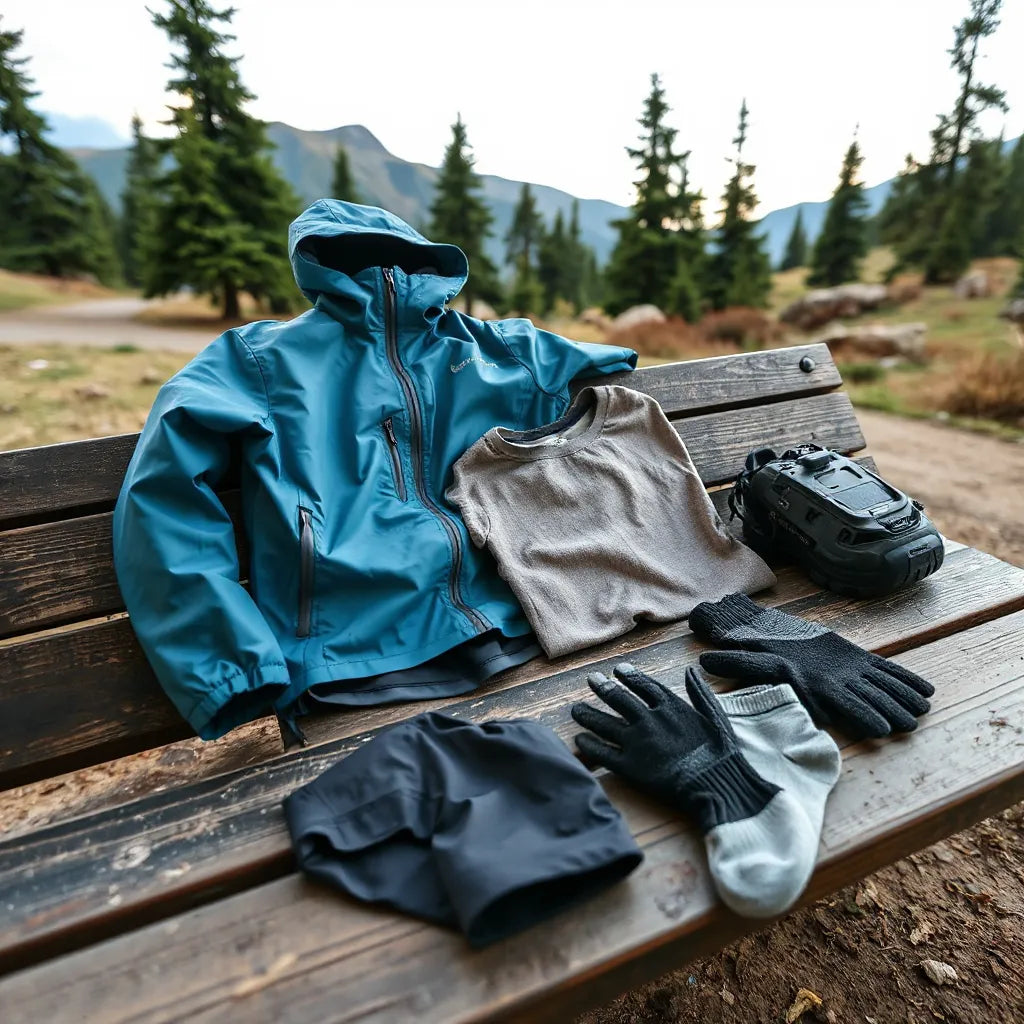
Outer layers are where weather decisions become real. If wind is common, prioritize a wind-resistant option. If rain is frequent, choose a piece designed for damp conditions and pair it with layers that dry fast.
Pick the “in-between” piece for transitions
The part no one plans for is the transition—parking lot to clubhouse, trail to porch, warm building to cooler air. Having one versatile layer helps you stop dressing like an onion only to peel off half your day.
If you also prefer a heritage look with modern comfort, you may like the brand’s vintage-inspired vibe at Crossbar Athletic. Their approach fits the “crossover crowd” mindset: hockey energy, golf calm, and enough style to look put together even when the weather acts like it has jokes.
And if you want a simple outfit formula, try this: a breathable base, a comfortable mid-layer, and one outer piece that covers wind. Then adjust based on what the day actually does, not what it promised on the sign outside.

Outdoor kit layout: wind layer, warm layer, and motion
Care and Storage That Actually Helps
Good outdoor sports apparel deserves better than “wash whenever you remember.” Follow a few simple care habits and your clothes will keep their shape and comfort longer—no dramatic ceremony required.
Wash with intention
Use care labels as your basic rules. For everyday use, wash in cold water when possible. Avoid overloading the washer; clothing needs room to clean instead of simmering in its own history.
Dry smart
If the label allows it, line-drying can help keep fabrics from wearing out quickly. If you use a dryer, choose lower heat settings. High heat can make some materials lose softness over time.
Store for the next season
Keep items dry and clean before storing. Folding is fine for many pieces, but for hoodies and heavier layers, hanging can reduce creasing. Avoid storage in damp areas, unless you want your clothes to audition for a “wet basement aesthetic.”
Spot-clean when you can
If you get a small stain, treat it early. The longer you wait, the more you invite the stain to become a permanent resident.
Repair small issues early
A loose thread or minor seam snag won’t always stay minor. Catching it early helps your clothing last. Think of it as preventative maintenance for your wardrobe.
For anyone building an outdoor routine, it helps to remember: the best gear is the gear that stays comfortable. Not the gear that wins a debate in a group chat.
Wrap-Up & Key Insights
Choosing outdoor sports apparel doesn’t have to be a guessing game. Avoid the fit mistakes, plan your layers, and match fabric choices to the weather you actually face. When you build a kit that adapts, you spend less time adjusting your clothes and more time doing the thing you came for.
If you’re ready to refresh your rotation, explore the style and comfort focus at Crossbar Athletic. And if you like simple, everyday essentials, browsing the tees and hoodies section can help you find pieces that work for both outdoor play and casual downtime.
Key takeaway: buy for comfort and movement first, then let the style fall into place.
Q&A Section
How do I know what outdoor sports apparel weight to buy?
Start with your typical temperature range and your activity level. If you get warm while moving, choose lighter layers that you can remove. If you cool down fast, prioritize a mid-layer that holds warmth without feeling stiff. When in doubt, go for a layered approach so you can adjust as the day changes.
What’s the most important feature for outdoor comfort?
Fit and movement. If the clothing allows you to raise your arms, bend comfortably, and move without tugging, you’ll feel better all day. After fit, moisture comfort and breathability are usually the next big factors, especially when conditions shift from sunny to breezy.
Can I wear the same outfit for different outdoor activities?
Often, yes—especially if you build around layers and versatile pieces. A breathable base plus a comfortable outer layer can work for many outdoor routines. The goal is to choose items that don’t restrict motion and that handle typical temperature changes.
Are hoodies and tees suitable for outdoor weather?
Yes, when you pair them thoughtfully. A tee can work as a base layer in mild conditions. A hoodie can serve as a mid-layer when it’s cool or breezy. For more intense wind or damp weather, add an outer layer designed for those conditions.
About the Author
Crossbar Athletic
We’re a team that knows the crossover crowd: hockey players who golf, and golfers who play hockey. Our expertise sits at the intersection of heritage style and practical outdoor comfort, so your outfit can keep up without acting like a drama queen. Thanks for reading—now go enjoy the day, and let your clothes do the work.