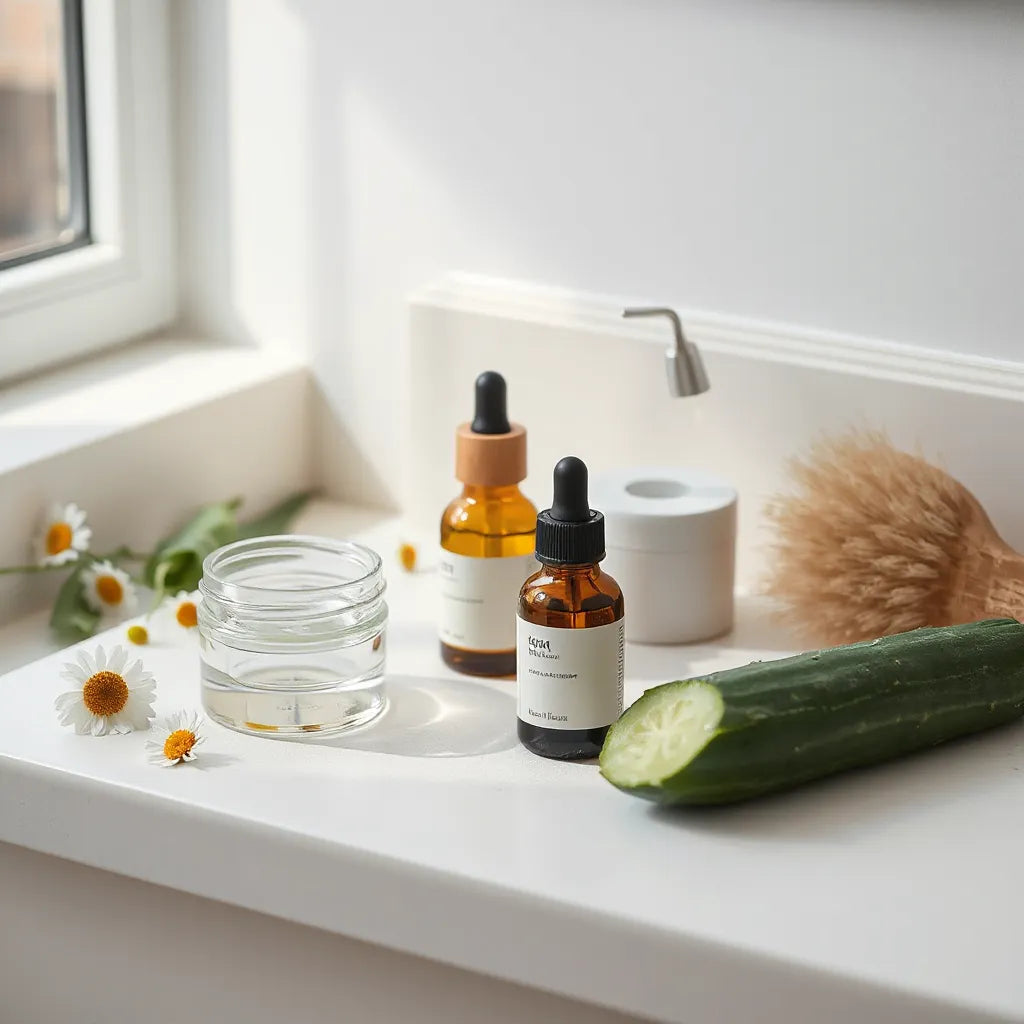
Organic Skincare Products: A Beginner’s Guide to Clean Care
Updated on: 2026-07-17
Organic skincare products can feel like a refreshing change from the usual “mystery bottle” routine. This guide breaks down what to look for so your face doesn’t end up auditioning for a rash role. You’ll learn how to read labels, pick ingredients that match your skin type, and build a simple routine. Expect practical tips, fewer myths, and a little humor along the way.
1. Why Organic Skincare Products Matter
2. A Brief Personal Incident
3. Key Advantages of Plant-Forward Formulas
4. Quick Tips for Smarter Choices
5. How to Build a Simple Routine Without Overdoing It
6. What to Check on Labels (So You Don’t Get Bamboozled)
7. Summary & Next Steps
8. Q&A Section
Why Organic Skincare Products Matter
Organic skincare products are often marketed like they’re the golden ticket to perfect skin. The truth is more boring—and more useful. “Organic” mostly tells you something about sourcing and production standards. It can also steer you toward formulas with fewer questionable extras. Think of it as swapping a wobbly grocery store stool for one with a sturdier frame. You can still sit wrong, but at least the stool isn’t trying to sabotage you.
Here’s the part that matters for real life: your skin is your largest organ, and it’s busy. It deals with dry air, sun, stress, and the occasional “I fell asleep with my makeup on” surprise cameo. A thoughtful routine helps it stay comfortable and consistent. If you prefer plant-forward ingredients, using organic skincare products can be a logical starting point—especially when you want a routine that feels calm, not chaotic.
A Brief Personal Incident
I once decided my skin needed “something new and exciting.” I picked a product because the label looked like a tasteful farmers market painting. Within a day, my face felt like it had attended a very small but intense drum circle. No, it wasn’t a conspiracy. It was my skin saying, “Nice story. Now try again, please.”
That moment taught me a classic lesson: skincare isn’t a personality test. It’s a compatibility test. “Natural” doesn’t automatically mean “friendly,” and “organic” doesn’t mean “instant love at first application.” It means the ingredients are chosen under certain standards. Your skin still has opinions—loud ones.
Key Advantages of Plant-Forward Formulas
Ingredient clarity: Organic skincare products often come with a cleaner, more traceable ingredient story. It’s easier to understand what’s doing the work.
Comfort-focused feel: Many plant-derived formulas are designed to support skin barrier comfort, which is the difference between “meh” and “my face looks less tired.”
Less mystery mixing: If you’re trying to avoid certain harsh ingredients, organic-leaning brands can help you filter options faster.
Routine friendliness: Simple, multi-use steps (cleanse, moisturize, treat, protect) are easier to maintain when products don’t feel overly intense.

Warm bathrobe vibe: label reading and ingredient check
Quick Tips for Smarter Choices
Let’s keep this practical. Here are quick moves you can make before buying or applying anything:
Match the product to the problem: Dryness needs hydration. Uneven texture needs gentle exfoliation. Don’t throw a bright idea at the wrong issue.
Start with one change at a time: If your skin reacts, you’ll know what caused it. If you change five things, you’ll be stuck playing skincare detective with no fingerprints.
Patch test like a responsible adult: Try a small amount on a less visible area first. Your face is not a science fair, but it still deserves courtesy.
Look for gentle cleansers: A cleanser should leave skin clean, not stripped. If it feels tight, it’s probably doing too much.
Use moisturizers consistently: Hydration is not a one-time event. It’s a “show up” situation.
How to Build a Simple Routine Without Overdoing It
If your skincare cabinet looks like a chemistry set, your skin probably wishes you’d dial it back. A simple routine beats a complicated one in most everyday situations. Here’s a straightforward approach that works for many people who want to explore organic skincare products without turning life into a 12-step production.
Step 1: Cleanse
Choose a cleanser that fits your skin type. If you’re dry, go for a gentler, more moisturizing formula. If you’re oily, you still don’t need aggressive stripping. Clean is good. Raw is not a goal.
If you want a starting point, you can explore a sensitive-skin-friendly cleanser option from Crossbar Athletic for a calmer cleanse.
Step 2: Hydrate
After cleansing, apply a hydrating layer. This can include aloe-based options or water-friendly gels. The idea is to help skin hold onto moisture, not to erase it with haste.
If aloe is your thing, consider browsing aloe vera gel for that quick, soothing step in the lineup.
Step 3: Moisturize
Moisturizer seals in comfort. Look for ingredients that support barrier function and reduce that “I just washed my face, now my skin is filing paperwork” feeling.
If you want a straightforward pick, try a moisturizing face cream and keep it as your daily anchor.
Step 4: Optional treatment (only if needed)
Treatments are like side quests. Use them when you have a clear purpose: exfoliation, targeted care, or a particular texture goal. Overusing treatments is how people end up with skin that’s “technically alive” but emotionally exhausted.

Garden checklist: routine steps drawn as simple icons
What to Check on Labels (So You Don’t Get Bamboozled)
Organic skincare products can vary widely. The label is your map, and yes, it can be a little dramatic with ingredient names that sound like they belong in a fantasy novel. Your job is to read for meaning, not for vibes.
1. Certifications and sourcing cues
Look for clear wording about organic ingredients and reputable certifications. If a brand is vague or tries to sell you on one word, pause. “Organic” should be more than a garnish.
2. Ingredient positions
Ingredients are usually listed by concentration. The first few ingredients matter most for what your product is actually made of. If the ingredient that matches your goal is buried deep, don’t expect miracles.
3. Fragrance and essential oils
Some people love the scent of plant-based blends. Others break out faster than a surprise coupon expires. If you’re sensitive, be cautious with fragrance-heavy formulas. Essential oils can be helpful in certain products, but they can also be irritating for some skin types.
If you enjoy aromatherapy-style scent experiences, you can explore essential oil blend options. If your skin is reactive, use those with a lighter hand and patch test first.
4. Exfoliation frequency
Gentle exfoliation can help with texture and dullness, but it’s not a daily sport. If you’re using exfoliating scrub products, start slowly. Too much exfoliation can leave skin red and unhappy.
5. Packaging and storage
Good packaging is part of product performance. Light, heat, and air can degrade sensitive ingredients. If the brand uses protective packaging, that’s a small but meaningful detail. You can also look for eco-friendly packaging choices if that aligns with your values.
Summary & Next Steps
Organic skincare products can be a solid way to build a routine that feels calmer and more ingredient-aware. Just remember: “organic” is about standards and sourcing, not automatic skin perfection. Your skin still has preferences, and it will tell you loudly if you ignore them.
Next, pick one cleanse step, one hydration step, and one moisturizer anchor. Add optional treatment only when you have a specific goal. Keep changes slow, patch test when you’re unsure, and treat consistency like the real secret ingredient. Your face is not a one-day event. It’s a long-running show.
If you’re exploring different categories, you might enjoy browsing the broader selection of organic skincare for inspiration.
Q&A Section
Are organic skincare products always gentler on skin?
Not always. Many organic-leaning formulas can feel gentler, but “natural” and “organic” don’t guarantee low irritation. Ingredients like certain essential oils or fragrance blends can still trigger sensitivity. If you have easily reactive skin, patch testing and starting with fewer products is your best friend.
How can I tell if a cleanser is actually hydrating?
Pay attention to how your skin feels after rinsing. If it feels tight, squeaky, or “too clean,” it may be stripping. A hydrating cleanser usually leaves skin feeling comfortable and not instantly thirsty. You can also check ingredient lists for moisturizing supports and avoid harsh-sounding surfactants if you’re dry.
Do I need exfoliating products to see results?
No. You can improve the look of skin with consistent cleansing and moisturizing alone. Exfoliating products can help with texture and shine, but they’re best used in moderation. Overdoing exfoliation can make skin feel rough and reactive, which is not the vibe you want.
What’s the easiest routine for beginners?
Start with three steps: cleanse, hydrate, and moisturize. Add one optional treatment only after your skin settles. This approach helps you avoid “mystery reactions” and makes it easier to learn what your skin actually likes.
Can I use organic skincare products with other skincare?
Yes, you can mix categories as long as you pay attention to how your skin responds. Introduce one new product at a time so you can spot what works. If you’re using actives like exfoliants, avoid stacking too many strong steps on the same day.
About skin sensitivity: should I avoid essential oils?
If you know you react to fragrance or you have sensitive skin, you may want to be cautious. Some people tolerate essential oils well; others do not. Use patch testing and start slowly. If in doubt, choose fragrance-light or simpler formulas and build up confidence from there.
About the Author Section
Crossbar Athletic is where vintage-inspired sensibility meets everyday practicality. With expertise in creating thoughtful, simple product experiences, the team keeps the focus on comfort, clarity, and routines that don’t demand a full-time commitment. Thanks for reading, and may your skincare shelf stay organized—unlike my early experiments.
Disclaimer: This article is for general education and does not provide medical advice. Individual skin needs vary. If you have a skin condition, persistent irritation, or concerns, consult a qualified healthcare professional before making changes to your routine.