Natural Hair Care Mistakes to Avoid for Healthier Hair
Updated on: 2026-07-18
If your hair is natural and your schedule is busy, natural hair care can still feel simple. The trick is building a routine around moisture, gentle cleansing, and protective habits. A good plan helps reduce tangles, improve feel, and keep your curls looking like they know what they’re doing. Think of it as seasonal maintenance for your hair, not a daily drama.
Table of Contents
- Why natural hair care can feel like a mystery novel
- How to set up a natural hair care routine that actually sticks
- Cleanse gently: washing without stripping
- Moisture is the main plot
- Protection beats panic
- Styling, but make it low-drama
- Track results with the dignity of a scientist
Why natural hair care can feel like a mystery novel
Natural hair care often comes with a cast of characters: curls, coils, kinks, and the occasional frizz gremlin that appears right after you swear you did everything “right.” One week your hair looks polished. The next week it looks like you washed it during a wind tunnel. It’s confusing, and sometimes it’s exhausting—especially when you’re trying to maintain natural volume while keeping tangles to a minimum.
Here’s the good news: a solid routine doesn’t require a PhD or a dozen bottles lined up like a pharmacy aisle. It needs a few repeatable moves and some patience. Hair doesn’t change overnight, and it definitely doesn’t follow trend cycles. If you approach natural hair care like a steady practice—more “careful craftsmanship” than “instant transformation”—you’ll get better results with less chaos.
How to set up a natural hair care routine that actually sticks
Start with a routine that fits your real life. Not the life where you have thirty extra minutes and a loyal assistant named “Mistress of the Detangling Comb.” Your hair just needs consistency, gentle handling, and moisturization that isn’t trying to escape your strands.
- Pick your “core steps.” Most routines include cleansing, conditioning or moisture support, and a styling step that seals hydration. You can add extras later.
- Choose a rhythm. Decide how often you wash and how often you refresh. Consistency beats intensity.
- Get the detangling strategy right. Detangling is not a contact sport. Detangle when hair is properly moisturized, and work in sections.
- Balance cleansing and moisture. Over-cleansing can leave hair dry, while under-cleansing can cause buildup. Aim for clean, not squeaky.
- Plan for protection. If you sleep on it like a pancake, you’ll pay for it in the morning. Cover it, protect it, and your hair will behave better.
As you build your routine, remember: what works is often what you can maintain. Your hair is not auditioning for a commercial. It’s just trying to be comfortable.

Sectioned hair pattern, gentle comb strokes, soft mist
Cleanse gently: washing without stripping
Let’s talk about the wash day vibe. The goal is to remove dirt and buildup without taking everything your hair needs to feel soft. If your scalp gets oily fast, you may need more frequent cleansing. If your hair tends to get dry, you may prefer a gentler schedule and more conditioning afterward.
Try these principles:
- Focus on the scalp. Shampoo is for scalp comfort. Let suds glide down rather than aggressively lathering the lengths.
- Use lukewarm water. Hot water can feel satisfying, but it can also make hair feel rough later.
- Follow with conditioner or a moisture step. Cleansing without conditioning is like making a sandwich without the bread. You still get an experience, but nobody asked for that.
- Detangle during or after conditioning. Hair is usually easier to separate when coated with moisture.
When you’re unsure whether you’re stripping, check the feel after drying. Hair that feels airy and soft is usually a good sign. Hair that feels stiff or tangly right away may need a gentler approach.
Moisture is the main plot
Moisture is not just “water.” Water is the opening chapter. The rest is about helping hydration stay put. Natural hair often benefits from a layered approach: hydrate, then seal or support with a cream or oil-friendly step.
Common moisture routines include:
- Water-based hydration. You can use water or a moisturizing mist to prep strands for better slip.
- Conditioning support. A conditioner or moisturizing product helps with softness and detangling.
- Seal and protect. Light oils or butter-like textures can help reduce moisture loss. Use enough to feel coated, not enough to weigh everything down.
If your hair gets dry quickly, try adjusting two things first: the amount of product and how you apply it. Applying product in small sections often gives better coverage than rushing with one big, confident swipe.
Want to explore a plant-forward option? You can browse hydrating products to support a moisture-first routine. Keep in mind, your best choice depends on your hair’s needs and how your scalp responds.
Protection beats panic
Protection is where natural hair care turns from “maintenance” into “forethought.” The best styles and sleep routines are the ones that prevent damage before it happens. Think of protective habits as a polite bouncer at the door: tangles don’t get in so easily.
Here’s what to focus on:
- Sleep setup. Use a satin or silk bonnet or pillowcase to reduce friction.
- Keep edges and hairline comfortable. Too much tension can cause breakage. Aim for secure, not tight.
- Refresh with care. When you wake up and things are… enthusiastic, use water and a light product to reset gently.
- Limit unnecessary manipulation. Every detangle is work. Detangle when needed, not because boredom started a conversation.
Protection can also mean how you handle styling. If you’re constantly switching styles at high speed, your hair may struggle to settle. Give it time to calm down after a change.

Night protection scene: bonnet silhouette, satin folds, gentle re-tying
Styling, but make it low-drama
Styling should help your hair look good and feel manageable. The “best” style is usually the one you can maintain without tugging or reworking every ten minutes.
Start simple:
- Prep with moisture. Apply hydration first so strands aren’t dry and grabby.
- Work in sections. Smaller sections often mean less pulling and better distribution.
- Choose a hold that matches your day. For everyday wear, you may want flexible definition. For humidity-heavy days, you might choose a stronger sealing step.
- Let it set. Give your style time to dry or set before you shake it like a snow globe.
If you use heat tools, keep it occasional and gentle. Heat can change your texture temporarily, but overuse can lead to dryness. Even when heat is part of your routine, moisture and protection still matter. Your hair needs support before, during, and after styling.
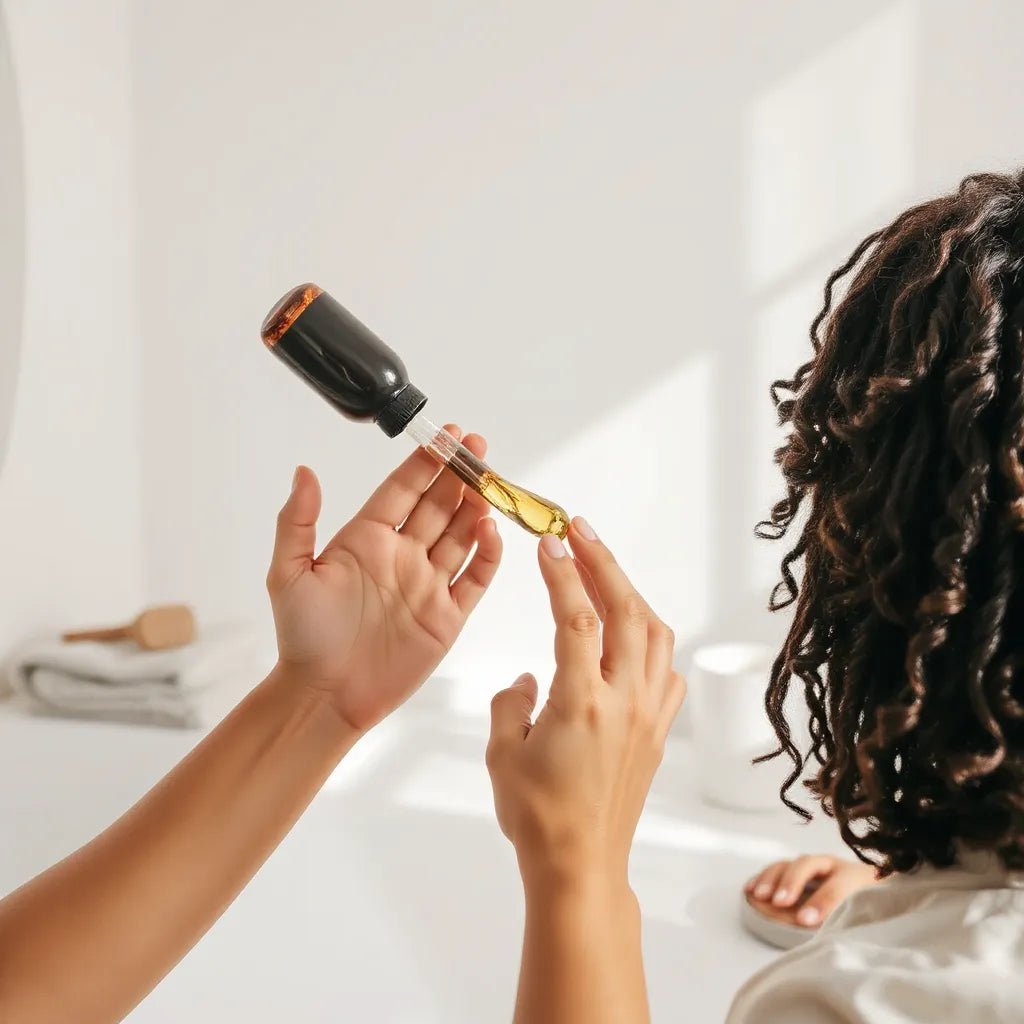
Not sure where to start? Some people prefer a light oil or serum to reduce friction and add shine. If you like the idea of natural hair oil, you can take a look at natural hair oil for inspiration. Just remember: patch test and pay attention to how your scalp feels.
Track results with the dignity of a scientist
Natural hair care improves faster when you can see patterns. Your hair keeps receipts, even if you don’t. If something feels off, it’s usually connected to a specific step: cleansing too often, applying too much product, detangling dry, or skipping protection.
Use a simple check-in method:
- Feel test. After drying, does your hair feel soft, springy, and manageable—or stiff and dry?
- Tangle check. Are tangles more stubborn than usual?
- Scalp comfort. Any itch, tightness, or unusual dryness?
- Timeline. When does the problem show up: right after wash day, two days later, or after a refresh?
Then make one change at a time. Changing five things at once is how you accidentally create a hair mystery novel with no ending. One tweak lets you learn what helped.
Also, don’t ignore ingredient preferences. If you prefer plant-forward products, you may enjoy exploring organic skincare style ingredient thinking, even though it may not be a perfect match for your hair needs. For hair, the main goal is finding products that support moisture and reduce breakage.
FAQ
How often should I do natural hair care wash days?
It depends on your scalp and hair texture. Some people wash more often to avoid buildup, while others go longer to prevent dryness. A practical approach is to start with a schedule that keeps your scalp comfortable, then adjust based on how your hair feels after washing.
What’s the fastest way to reduce tangles?
Detangle when your hair is properly moisturized and work in sections. Use a gentle approach with a conditioner-like slip before combing or separating. If tangles are constant, check whether your routine is missing a moisture layer or whether you’re detangling too dry.
Is it better to moisturize daily or only when needed?
Many people do well with targeted refreshes instead of full rebuilds every day. If your hair gets dry quickly, you can add hydration more often, but keep it light. Full product resets can be saved for times when your hair truly needs it.
Can I use oils in natural hair care?
Yes, oils can help with softness and reducing friction. Apply sparingly and focus on the lengths if your scalp tends to get oily. If you notice heaviness or buildup, use less or shorten the time between wash days.
Closing Thoughts
Natural hair care isn’t a secret society. It’s a routine you can tune like a well-worn vintage radio—small adjustments, steady listening, and fewer surprises. Build from a simple base: gentle cleansing, consistent moisture, and protection that keeps friction off your strands. When your routine becomes repeatable, your hair gets calmer too. Now go treat your hair like the dependable teammate it is, not like a stressful side quest.
If you want a quick next step, start with one improvement: either refine your wash day comfort or add a smarter moisture layer. Your curls will notice, and so will your morning mirror.
About the Author Section
Crossbar Athletic is the name behind this guide, with a team focused on practical, lifestyle-ready beauty habits for everyday routines. We keep things grounded and ingredient-conscious, with a vintage-inspired sensibility for the crossover crowd. Our expertise centers on building simple systems that fit real schedules—because hair care should feel like a calm afternoon, not a daily performance. Thanks for reading, and here’s to better days for your hair.