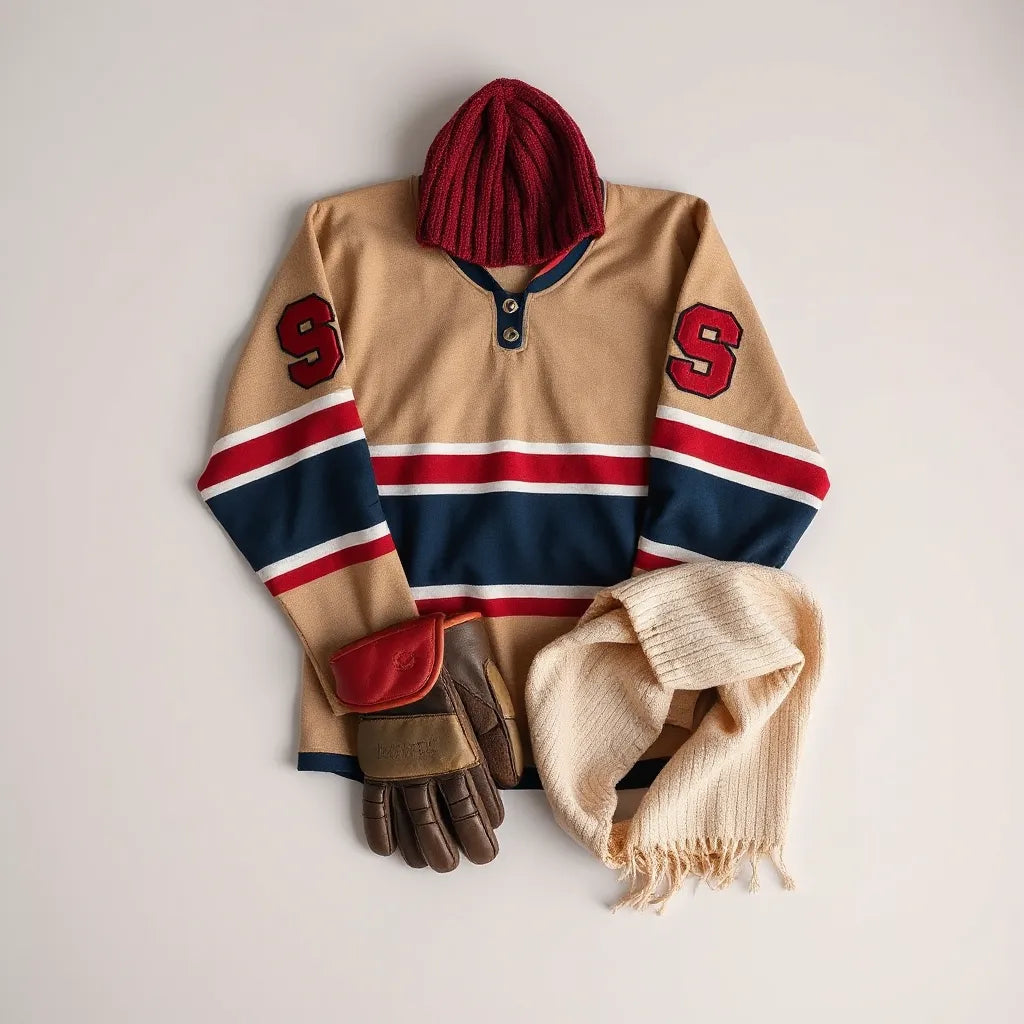
How to Style Vintage Hockey Apparel for Everyday Looks
Updated on: 2026-07-17
If you love the look of the old rink and the confidence of a well-worn sweater vibe, vintage hockey apparel is your shortcut to that energy. This guide walks you through what to check before buying, how to spot solid materials, and why fit matters more than nostalgia. You’ll also learn how to care for your pieces so they keep that “came out of the equipment room” feeling for years. Finally, we’ll answer the usual questions people ask right before they press the checkout button.
Table of Contents
Buyer’s Checklist
Buying vintage hockey apparel online can feel like trying to catch a puck with oven mitts. Possible, but you’ll want a plan. Use this checklist before you commit, and you’ll avoid the classic “looks great in the photo, regrettable in real life” moment.
- Confirm the era and style: Look for obvious cues like collar type, hem construction, and graphic style. If the listing is vague, treat it like an incomplete roster.
- Inspect the condition description: Check for mentions of fading, stains, pulled threads, cracked graphics, or loose seams. One small issue is fine; a “mystery problem” is not.
- Check material details: Natural fibers and sturdy blends usually hold up better. If it’s listed, use it. If it’s not, expect more variation.
- Look at the measurements: Vintage sizing can be all over the place. Measurements beat “fits like” every time.
- Assess the graphic: Old-school prints can crack, fade, or peel. A gentle pat test (by proxy) is to look for photos in good light.
- Mind the price-to-condition ratio: A cleaner piece costs more for a reason. A deal is great—until it arrives with a surprise rip near the cuff.

Close-up checklist marks: fabric, seams, hems, and print
Step-by-Step Guide
Let’s turn this into something you can actually follow. Think of it as a mini game plan: less improvisation, more “I knew what I was doing.”
- Start with your target vibe: Are you after game-day sweatshirts, old-team crewnecks, or a more country-club hockey aesthetic? Define the look before you shop.
- Choose your piece type: Hoodies and tees are usually easiest to wear daily, while authentically vintage outerwear can require a bit more respect and careful storage.
- Compare measurements: Find the chest width, garment length, and sleeve length. Then compare to a shirt or hoodie you already own that fits well.
- Evaluate wear patterns: Mild fading is part of the charm. Severe thinning at elbows, collars that sag, or multiple areas with damage deserve a second look.
- Check the graphic integrity: If the print looks intact from multiple angles in the listing photos, you’re already ahead of the curve.
- Decide on “authentic patina” vs “brand new energy”: Some people want the worn-in look. Others want minimal wear. Neither choice is wrong; they’re just different styles of time travel.
- Plan for care: If you’re picking up more delicate pieces, set aside time for gentle washing and storage. Your future self will thank you.
How to Spot Quality (Without Becoming a Fabric Detective)
Vintage hockey apparel quality usually shows up in details that most listings casually ignore. You don’t need a lab coat, but you do need eyes. Here are some reliable tells.
Look for steady stitching and clean hems
Loose threads aren’t always a deal-breaker, but repeated sloppy stitching can mean poor construction or heavy wear. A sturdy hem suggests the piece survived real life, not just a quick photo shoot.
Check fabric weight and hand feel clues
Heavier knits and well-structured fabrics tend to keep their shape longer. If the listing suggests a thin, flimsy feel, it may not age gracefully. Think “practice jersey” vs “game sweater.”
Examine the neck and collar area
The neck is a stress point. If the collar looks stretched or warped in photos, it may never sit right again. A decent collar should look like it knows where it’s going.
Confirm the graphic method
Old prints vary. Some are screen-printed, some are more layered, and some are… complicated. Cracking and fading can be normal, but peeling or major loss of ink often signals fragile aging.
If you’re building a wardrobe with vintage-inspired pieces, you might also like the idea of a heritage look that feels designed, not merely discovered. For more crossover-crowd style inspiration, you can browse the brand story and see how classic aesthetics translate into everyday wear.
Sizing and Fit: The Vintage Truth
Vintage sizing is like rink ice: it looks uniform until you skate on it. You can’t always trust the tag. The best approach is to use measurements and compare to something you know.
Why vintage fits differently
Older patterns often have different shoulder construction, sleeve length, and body proportions. A “medium” from one era might feel like a modern “large,” while another piece fits trim and sharp. It’s not you—it’s the century.
How to choose your desired fit
- For classic comfort: Aim for a fit that allows movement through the chest and upper arms, especially if you plan to layer.
- For a tighter throwback look: Look for shorter lengths and narrower chest measurements.
- For a relaxed, roomier silhouette: Choose a piece with extra garment length and sleeve space. Baggy can be a mood, but intentional baggy beats “oops.”
Small fit decisions that matter
Pay attention to sleeve cuffs and collar stretch. If you hate when sleeves ride up, prioritize sleeve length. If you like a clean neckline, prioritize collar structure. The rest is just styling drama.
Care and Storage: Keep the Old-School Charm
To keep vintage hockey apparel looking like it earned its history, treat it like a collectible that still wants to live in your life. Not precious. Just respectful.
Washing basics
- Wash less often: When possible, spot-clean and air out between wears.
- Turn it inside out: This helps protect graphics and reduces friction on prints.
- Use cold water: Hot water is like a heat lamp for cracks and fading.
- Choose gentle detergent: Strong formulas can be harsh on older fibers.
Drying and heat
Skip the dryer when you can. Air drying helps keep fabric structure and reduces the chance of graphic damage. If you must use a dryer, keep it low and keep a close eye. Vintage doesn’t like surprises.
Storage that prevents disappointment
- Fold tees and sweatshirts: Folding reduces stretching in collars and shoulders.
- Store in a cool, dry place: Humidity can cause musty odors and long-term fabric issues.
- Avoid heavy compression: Don’t stuff everything into a small space like you’re packing for a summer camp fire drill.
If your pieces are more delicate or you’re sensitive to scent retention, you may find it helpful to refresh other wardrobe items with simple, non-harsh routines. For example, you could explore eco-friendly packaging practices that reflect a cleaner, calmer approach to care and storage culture.

Old-style care ritual: folded fabric, label, gentle airflow
Style Ideas for the Crossover Crowd
Vintage hockey apparel doesn’t have to be a full uniform. In fact, the best looks are usually the ones that mix the old rink vibe with your modern habits. Here are some outfits that stay wearable, not costume-y.
Try the “heritage split” formula
Let one part of your outfit carry the vintage energy, and keep the rest clean and modern. For example: a throwback graphic sweatshirt with neutral pants and simple shoes. It’s like serving sauce on the side—tasty, controlled, and not overwhelming.
Pair with classic basics
- Cream or heather tees: Soft tones play nicely with older team graphics.
- Dark denim: Denim balances the nostalgia and adds texture.
- Relaxed outerwear: A simple jacket keeps the look sharp without stealing the spotlight.
Use color like an insider
Old-school palettes tend to look best when you don’t fight them. If your piece has deep greens, muted reds, or warm creams, build around those colors instead of introducing loud patterns. Let the vintage print do the talking, like a coach with one sentence and maximum impact.
Wardrobe strategy: rotate the statement
If you own multiple vintage-inspired items, don’t wear them all at once unless you’re auditioning for “Museum Curator, Rink Edition.” Rotate your statement pieces with neutral staples so each one gets its moment.
FAQ
How do I know if a piece of vintage hockey apparel is actually worth buying?
Look for a mix of clear photos, honest condition notes, and measurements that match your preferred fit. If the listing has vague details but a high price, treat it like an offside call: you can’t “appeal” it later. A solid piece will show stable seams, a readable graphic, and fabric that looks sturdy rather than fragile.
Will vintage hockey apparel shrink after washing?
Some vintage knits can change slightly with washing, especially if they’re delicate or made from natural fibers. The safest approach is cold water, gentle cycle, and air drying. If you’re between sizes, choose the one that fits your measurements comfortably before washing.
What should I do if the graphic starts to crack or fade?
Minor cracking and fading are often normal over time. To slow further wear, wash inside out, avoid harsh detergents, and minimize heat. If a graphic is peeling badly, consider leaving the piece as a display-in-your-life item and replacing it for heavy wear.
Can I wear vintage hockey apparel casually, not just for themed events?
Absolutely. The trick is to style it like everyday clothing, not a costume. Pair the vintage item with modern basics and keep the fit intentional. If it looks good with a simple jacket and everyday shoes, it’s ready for normal life.
Closing Thoughts & CTA
Vintage hockey apparel is less about perfection and more about character. When you buy with measurements, check condition honestly, and care for it with gentle routines, you get pieces that look like they’ve lived a little and still want to join your day.
If you’re ready to build a wardrobe with that heritage feel—without the uncertainty—explore Crossbar Athletic for vintage-inspired tees and hoodies. Small chest logos, big illustrated back graphics, and a crossover-ready fit that doesn’t require a time machine.
About the Author
Crossbar Athletic works at the intersection of hockey culture and classic style. Our expertise focuses on vintage-inspired apparel, heritage design details, and how to keep old-school aesthetics wearable for modern routines. We keep the vibe dry, insider, and practical—because style should be fun, not confusing. Thanks for reading, and may your next outfit feel like a lucky bounce.