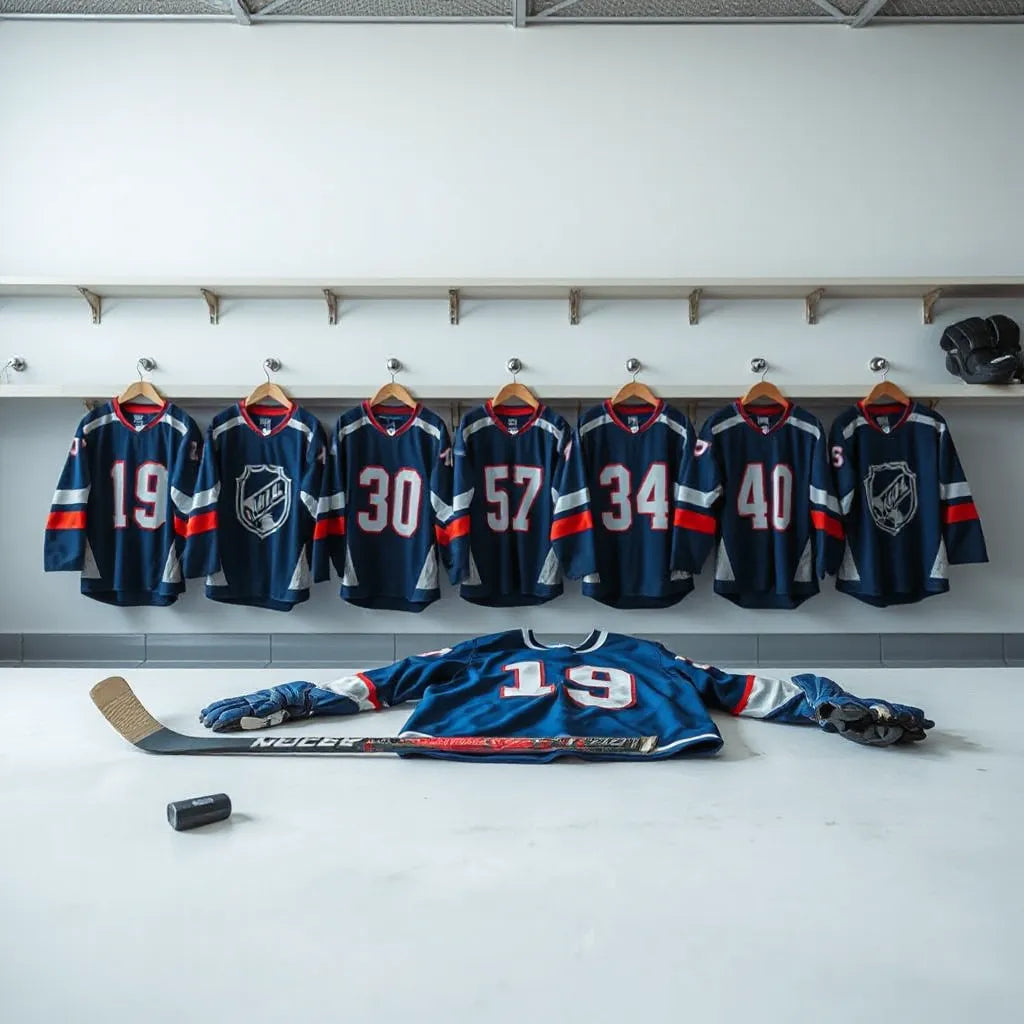
How to Choose Youth Hockey Shirts That Last
Updated on: 2026-07-09
Picking the right youth hockey shirts is part practical, part nostalgia, and part “please don’t let that collar fold like a sad paper crane.” This guide walks you through fit, fabric, sizing, and styling so kids can focus on skating—not adjusting sleeves every five seconds. You’ll also learn how to choose designs that look sharp on game day and survive laundry day. Finally, we’ll cover care tips that keep color, comfort, and team spirit from melting under warm-water chaos.
Youth Hockey Shirts: the Practical, Not-Too-Sweaty Choice for Game Day
Youth hockey shirts are the uniform MVP for practices and games, but they also do the quiet work of keeping kids comfortable while they chase pucks, dodge drills, and attempt daring corner moves that physics absolutely should not approve of. The right shirt helps with movement, breathability, and staying presentable even after a full season of “just one more scrimmage.” If you’re shopping for a team set, a backup option, or a stylish everyday layer with a hockey nod, this guide will help you choose with confidence.
Think of this as your no-nonsense checklist: choose the right fit, confirm the fabric behaves on the rink, pick a look that respects team standards, and learn how to wash it so it keeps its shape and color. No hype—just sensible decisions, like choosing a tote bag over a wobbly backpack for equipment day.
Pros & Cons of Youth Hockey Shirts
Every piece of apparel has a personality. Youth hockey shirts are usually sporty, durable, and built for motion—though not always built for the laundry machine’s sense of humor.
- Pro: Built for movement. Good shirts are designed to flex with skating strides and stick-handling, not fight against the shoulders.
- Pro: Team identity, instantly. A consistent look makes kids feel like they belong—like a jersey is a wearable handshake.
- Pro: Layer-friendly. Many players wear them as a top layer or under outer gear, depending on the day’s weather mood.
- Con: Fit changes fast. Kids grow like they’re on a mission, so “perfect now” can become “almost perfect next month.”
- Con: Style rules can limit options. Teams sometimes require specific designs, colors, or placements, so variety depends on the coach and league.
- Con: Laundry habits matter. Wash settings and drying choices can affect color and comfort over time.

Sketchy fit notes: sleeves, collar, and mobility
Step-by-Step Practical Guide
Let’s shop like smart rink regulars: quick checks, clear priorities, and fewer “why does this feel weird?” moments. Follow the steps below in order, and you’ll avoid the classic fate of buying a shirt that looks great in a photo and behaves like a sail in real life.
Fit and fabric checks (before you fall in love)
Start with the basics. A youth hockey shirt should feel like it belongs to the player, not like it’s borrowing their arms for a weekend.
- Shoulders and sleeves: Make sure the shoulder seam sits naturally. Sleeves should reach far enough to cover the wrist area during movement.
- Neckline: Look for a collar or neckline that won’t irritate when the player turns their head. If the collar rubs, the player will notice immediately.
- Range of motion: Check how it moves when the kid raises arms. If it pulls or binds, it will be extra annoying during stretches and drills.
- Fabric comfort: Choose materials that feel breathable and easy against skin. Players spend a lot of time in a warm setting, and comfort helps them focus.
If you’re unsure, imagine the shirt as a “second skin that also respects the laws of physics.” You want it to move with the player, not move the player’s mood into grumpy territory.
Sizing strategy for fast-growing players
When it comes to size, you’re playing a game of estimates. Kids grow, but your budget grows at a steadier pace—so aim for a “good now” fit that can handle a few months of change.
- Measure the basics: Use chest and sleeve length as your anchors. Waist fit matters less for a top layer, but torso length matters for coverage.
- Think about layering: If the shirt will be worn under outer gear, allow a little room so it doesn’t feel tight when everything is layered.
- Plan for longevity: A slightly relaxed fit can extend wear. Too loose, though, can bunch up and get annoying during play.
Pro tip: If the player frequently needs adjustments mid-practice, that’s not a style problem—it’s a sizing problem. Solve it early, and you’ll keep the attention where it belongs: on the ice.
Style and team rules without the drama
Style should support the season, not complicate it. Many teams have requirements for colors or markings, but there’s usually room for choice in branding, graphics, and everyday wear style.
- Check league or coach requirements: If there are rules about logos or colors, follow them. That’s the boring part, but it prevents awkward moments.
- Look for a cohesive look: Choose youth hockey shirts with graphics that stand out, but not so busy that they become visually chaotic when layered with pads and gear.
- Consider off-ice versatility: A good shirt can work as a casual layer for travel days, school sports nights, or “waiting in the stands” season.
- Vintage-inspired energy: Nostalgic aesthetics are popular because they look good now and later—like a classic road-trip playlist that still hits.
If you want inspiration for crossover-style apparel and heritage details, you might like browsing through the brand story. It’s the kind of background that helps you choose with taste, not just speed.

Color-safe laundry routine: tags, cool water, gentle drying
Care tips that keep shirts looking game-ready
Washing a hockey shirt isn’t glamorous, but it’s where durability is made. Treat it right and it will look like it’s ready for another season. Treat it like a random load of towels, and it may develop a “sad fade” aesthetic.
- Follow the care label: The label is your cheat code. If it says cold or gentle, listen.
- Wash inside out: This helps protect graphics from friction and can reduce the “scratched look” over time.
- Skip high heat drying: Heat can shrink some fabrics and dull colors. Air drying is slower, but it’s loyal.
- Use mild detergent: Harsh detergents can be tough on fibers and color.
- Don’t forget stain pre-treatment: Tackle spots early, especially around collars and cuffs where dirt collects like it pays rent.
And yes, it’s okay to admit you’ve left a gear bag in the trunk overnight. The shirt doesn’t need a roast; it needs a wash with care.
Wrap-Up
Youth hockey shirts are a smart buy when you focus on fit, fabric comfort, and practical care. Choose a size that moves freely and layers well, confirm the neckline and sleeve coverage feel good during arm lifts, and keep style decisions aligned with team rules. Then wash like you’re protecting something important—because you are protecting the player’s comfort and the shirt’s lifespan.
If you’re building a small collection for a growing season, consider having one extra option for rotation. Players are unpredictable; laundry schedules are too. A backup shirt saves your week from turning into an emergency scramble.
Q&A Section
How many youth hockey shirts should a player have?
Most families aim for at least two game or practice options so one can be washed while the other gets used. If a player attends frequent sessions or competes on back-to-back days, three is a comfortable number. The sweet spot depends on practice frequency and how quickly your laundry routine can work.
What’s the best fit for a youth hockey shirt during active play?
Look for a fit that stays in place when the player raises their arms and moves through skating positions. The shoulders should sit naturally, and the sleeves should reach comfortably without pulling at the wrist. If the player constantly tugs the hem or complains about rubbing, adjust sizing or choose a more flexible fabric.
Can a youth hockey shirt be worn off the ice?
Absolutely. Many people treat hockey shirts as casual layers for travel, school sports nights, and weekends at the rink. If the design feels team-appropriate, it can also be a fun way to keep the vibe consistent without requiring a full uniform every time.
How do I keep graphics and color looking fresh?
Wash inside out, use gentle or cold settings, and avoid high-heat drying when possible. Air drying helps preserve color and texture over time. Also, follow the care label because different fabrics can react differently to heat and detergents.
About the Author Section
Crossbar Athletic
Written by Crossbar Athletic , a team passionate about vintage-inspired apparel for hockey families—heritage looks, tidy details, and everyday comfort. With expertise in crossover style and practical garment design, we aim to help you choose pieces that look right and wear even better. Thanks for reading, and may your next jersey-day feel smooth, not scrambly.