How to Choose Soft and Durable Fabric for Everyday Wear
Updated on: 2026-07-12
If you have ever bought a tee that felt great on day one and like a worn-out handshake by day ninety, you already understand why fabric matters. This post breaks down what “soft and durable fabric” should feel like, how to spot it before you commit, and how to keep it looking sharp through repeated wear. You will also learn why your washing routine can either be a loving caretaker or a chaos gremlin. By the end, you will have a practical checklist for buying tees and hoodies that hold their shape and charm.
Table of Contents
- What “Soft and Durable Fabric” Actually Means
- Why It Matters More Than You Think
- A Personal Lesson Learned (Against My Better Judgment)
- Key Advantages of Well-Balanced Fabric
- Quick Tips for Buying and Caring
- A Simple Care Routine That Won’t Make It Sad
- What This Looks Like in a Real Wardrobe
- Summary & Next Steps
- Q&A Section
What “Soft and Durable Fabric” Actually Means
Let’s demystify the phrase “soft and durable fabric.” It is not marketing glitter. It is the balance between comfort and longevity—like a friendly golf partner who also shows up on time. Softness is usually tied to fiber feel and surface texture. Durability is tied to how the fabric handles friction, stretching, washing, and general daily life.
When fabric is soft, it tends to glide against skin instead of doing that scratchy “why is this itchy in 14 locations?” routine. When it is durable, it keeps its structure. The shirt still looks like it belongs to you after weekends, errands, and that one day you wore it twice because it was already living rent-free in your favorite corner of the closet.
A few touch-and-look checks you can do fast
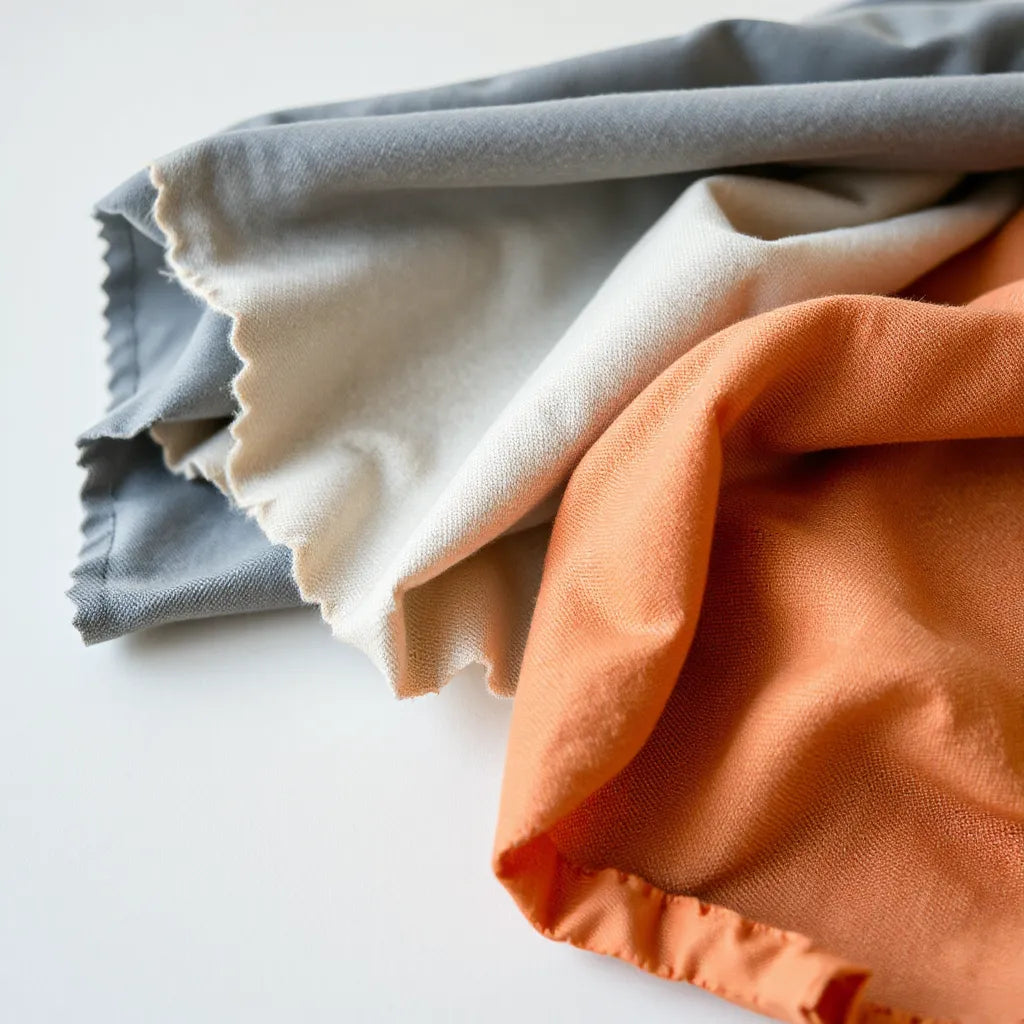
Even without a lab coat, you can spot a lot. Look at the fabric surface: does it look even and smooth, or does it look fuzzy and uneven? Next, check recovery. A good fabric holds shape when gently stretched and released. And pay attention to how the garment is constructed—strong seams and a solid collar usually signal care has been put into more than just aesthetics.
Close-up visuals of fabric weave, seams, and collar
Why It Matters More Than You Think
Because clothes are not one-time performances. They are long-running series. A tee is your everyday understudy; a hoodie is the one who always answers the call. If the fabric is not both soft and durable, you end up with that familiar trio of problems: sagging, pilling, and color that fades like your group chat enthusiasm.
Durable fabric also means fewer wardrobe resets. You spend less time shopping and more time showing up. Soft fabric means you actually want to wear it, which is the point, right? If the shirt feels good but does not last, it becomes a “special occasion” item, and your closet turns into a museum of nearly-favorites.
A Personal Lesson Learned (Against My Better Judgment)
I once bought a tee that felt amazing at checkout. It was soft enough to convince me I had discovered the seventh wonder of casualwear. I wore it a few times, loved it, and mentally crowned it my “lucky tee.” Then I washed it.
The next wear was… not the vibe. The shirt had developed a new personality: it was tighter in places it was not before and looser where it should have stayed tidy. The collar looked like it had been through a small weather event. I did not cry, but I did stare at it like it had betrayed me personally.
That is when I learned the real rule of soft and durable fabric: the garment has to survive the routine. If it cannot handle washing, it is not durable. If it does not feel comfortable, it is not soft enough. The best pieces are the ones that keep both promises.
Key Advantages of Well-Balanced Fabric
- Comfort you notice, not just once: Softness that stays soft after multiple wears.
- Shape that holds: A collar that does not collapse and a body that does not stretch into new silhouettes.
- Less pilling: Fabric that resists those tiny fuzz balls that make shirts look older than they are.
- Better color retention: The garment keeps its tone instead of washing itself into invisibility.
- Reliable layering: Tees and hoodies that sit nicely under jackets without turning into a wrinkled pancake.
Quick Tips for Buying and Caring
- Choose fabric that looks smooth and consistent, not patchy or overly fuzzy.
- Prefer garments with reinforced seams, especially around stress zones.
- Check the collar and cuffs: if they look flimsy, they usually behave that way later.
- Wash cold when you can and skip high heat drying.
- Turn garments inside out to reduce wear on the outer print and surface.
- Use a gentle detergent and avoid overloading the washer.
- Let items air-dry when possible for the best long-term texture.
A Simple Care Routine That Won’t Make It Sad
Here is the truth: even the best soft and durable fabric can suffer if you treat it like it is auditioning for a demolition derby. The goal is to be kind, not precious. Think of care as routine maintenance, not a spa day with candles.
Wash settings that keep the fabric happy
Start with cold water whenever you can. Hot water can speed up wear and change how fibers behave. Choose a gentle cycle. If your washer offers a “delicates” option, that is usually a safe direction for tees and hoodies.
Don’t crank the detergent. Too much soap can leave residue that makes fabric feel rougher over time, which is exactly what you do not want from a shirt that is supposed to feel great.
Drying strategy: the “low drama” approach
Heat is the fabric’s frenemy. If you use a dryer, go low or medium. Better yet, air-dry. Air-drying helps preserve softness and helps garments keep their shape. If you have ever watched a tee emerge from the dryer looking slightly different, you already know why this matters.
Handling wrinkles without wrecking the fibers
Wrinkles are not a crisis. Light steam or a quick refresh helps. If you iron, keep it moderate and avoid direct contact with prints. For most everyday wear, a gentle reshaping while damp goes a long way. It is like giving the garment its confidence back.
Washing settings dial, fabric care symbols, and drying rack
What This Looks Like in a Real Wardrobe
The best way to understand fabric performance is to picture it in daily life. A tee that feels right should also withstand repeated wear. It should keep a stable collar and stay comfortable through long days and spontaneous plans. And because most people do not wake up thinking, “Today I will inspect fiber recovery,” the garment should do its job quietly.
Crossbar Athletic’s vintage-inspired tees and hoodies are built for that kind of repeat wear. The look is nostalgic. The feel is comfortable. And the fabric needs to be ready for the wear-and-wash cycle, not just the first impression.

When you wear a tee like this, you are not thinking about fabric trivia. You are thinking about what comes next: the casual hang, the errands run, the quick stop that turns into an extra hour. Softness keeps it comfortable. Durability keeps it looking like “yep, that one again” instead of “where did the collar go?”
If you like pairing your tops with a fresh routine, you might also enjoy browsing the brand’s apparel ecosystem via about our heritage. It is the same insider approach: no hype, just well-made pieces that fit the crossover crowd—hockey players who golf and golfers who play hockey.
And if you like the idea of a wardrobe that stays consistent, start by choosing fewer pieces that wear well. It is the opposite of impulse buying. Your closet will thank you with fewer “why did I get this?” moments.
Summary & Next Steps
Soft and durable fabric is the combo that turns “nice shirt” into “mainstay.” When fabric is truly balanced, you get softness that stays comfortable and durability that keeps the garment looking structured. The good news is you do not need fancy tools—just a few quick checks and a consistent care routine.
Next steps: Look for quality signals like stable collars, even texture, and strong construction. Wash cold with a gentle cycle, keep drying low, and treat your garments like they are meant to be worn repeatedly. Then pick your favorites and let them earn their place in rotation.
If you want a quick browse path, start with tees and hoodies that fit your style. One solid piece beats three “meh” ones. Your future self will be wearing it with confidence, and your past self will be quietly applauding from the closet.
Q&A Section
How can I tell if a shirt is truly soft and durable fabric before buying?
Check the fabric appearance for smoothness and consistency. Look closely at the collar, seams, and cuffs. If you can, gently stretch and release the fabric to see if it returns to shape. Also review garment construction details—quality tends to show up where the fabric is under stress.
What washing habits help maintain softness over time?
Wash in cold water and use a gentle cycle when possible. Avoid overloading the washer so items can move freely. Use the right amount of detergent and skip harsh settings. If you can, air-dry or choose low heat to protect the fiber feel.
Why does pilling happen, and how do I reduce it?
Pilling often comes from friction, repeated movement, and certain fabric blends that shed micro-fibers. Reduce abrasion by turning garments inside out before washing and drying. Choose gentler cycles and avoid high heat. The goal is to limit friction and preserve the fabric surface.
Is a dryer always bad for fabric durability?
No, it is not automatically “bad,” but heat can accelerate wear. If you use a dryer, go low and remove items promptly. Air-drying usually helps the garment keep shape and texture longer, especially for tees and hoodies you want to stay comfortable.
How often should I replace a tee or hoodie?
Replace when the garment no longer fits your needs or feels off to wear—like when the collar stops holding shape or the fabric gets scratchy. With proper care, many well-made items can last a long time, but your personal comfort is the final judge.
About the Author Section
Crossbar Athletic is where vintage-inspired apparel meets the crossover crowd—hockey players who golf and golfers who play hockey. Our expertise is rooted in choosing tees and hoodies that feel good, look right, and hold up through real life. We write with a dry nod to the classics and a firm hand against flimsy fabric decisions. Thanks for reading, and may your next favorite piece stay soft longer than your last “lucky” tee.
Disclaimer: This article shares general fabric care and shopping tips. Results vary based on garment construction, fabric blends, and how items are used. Always follow the care instructions on the garment tag.