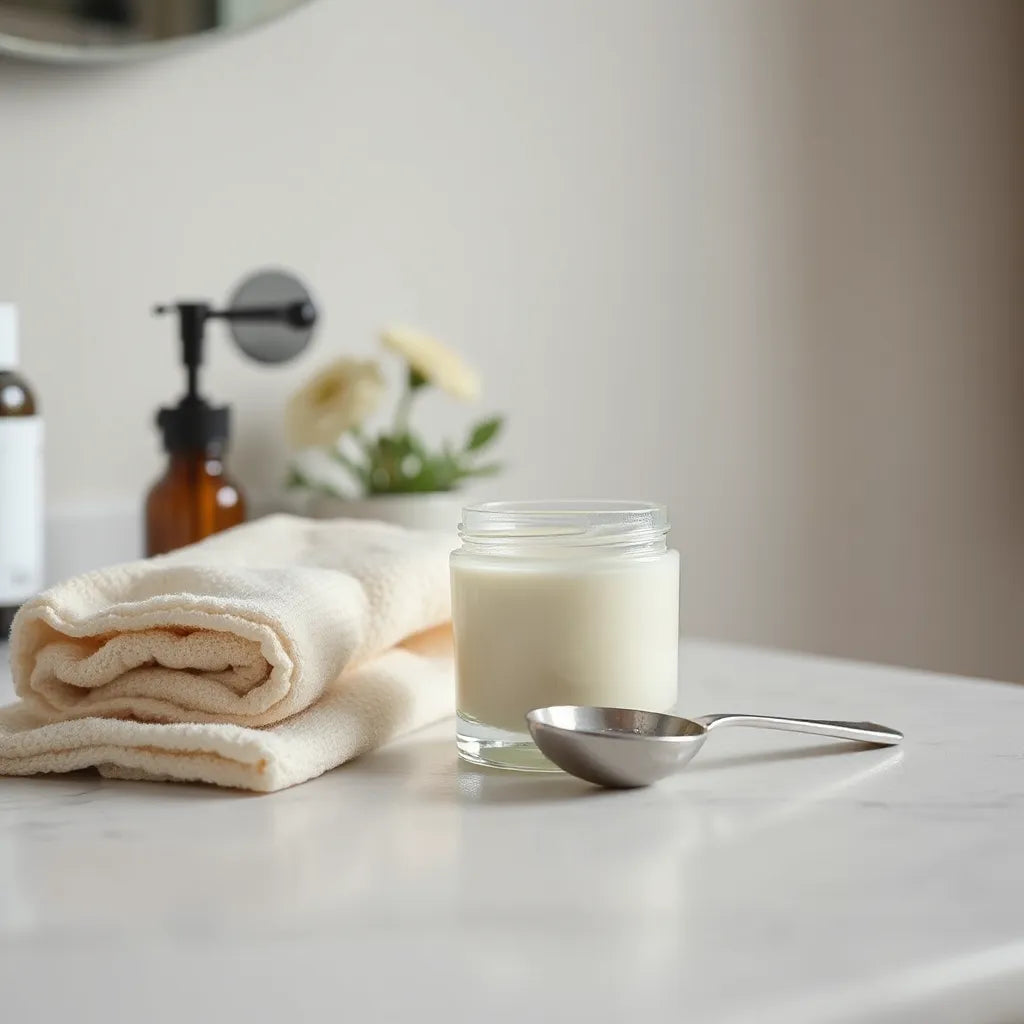
How to Choose Moisturizing Face Creams for Your Skin
Updated on: 2026-07-19
If your face feels tight after washing, you may be missing a key step. Moisturizing face creams help seal in comfort and smooth the look of skin over time. The right cream can also support a healthy-looking barrier, so your routine stops feeling like a tug-of-war. In this guide, we will cover what to look for, how to apply it, and how to avoid the “greasy regret” scenario.
Table of Contents
1. Buyer’s Checklist
2. Step-by-Step Guide
3. How to Choose Moisturizing Face Creams for Your Skin
4. Common Mistakes That Make Creams Feel Like a Bad Decision
5. Ingredient Cheat Sheet (No Crystal Ball Required)
6. How to Apply for the Best Results
7. FAQ
8. Closing Thoughts & CTA
Buyer’s Checklist
Picking moisturizing face creams can feel like choosing a tee color before a weekend match. You want it to work with everything, look good, and not fall apart at the first wash. Use this checklist to shop with confidence:
Know your skin vibe: oily, dry, combination, or “mysterious zone where nothing behaves.”
Check the finish: look for descriptions that match how you like your skin to feel (lightweight, rich, gel-leaning).
Scan for barrier-friendly ingredients: ingredients that help skin hold onto hydration are a good starting point.
Patch-test before going full commitment: your face is not a testing lab, even if you treat it like one.
Pair it with a cleanser you trust: if your wash is too stripping, no cream can fully “undo the damage.”
Step-by-Step Guide
Let’s make your routine simple enough that even your busiest morning self can handle it. Think of this as a short practice drill, not a grand strategy meeting.
Cleanse gently: wash your face with a mild cleanser and lukewarm water. Hot water is the villain in this story.
Pat, don’t punish: leave the skin slightly damp. Damp skin helps creams spread and feel more comfortable.
Apply the right amount: a pea-sized amount is often enough for most faces. More is not always better; it can just mean more residue.
Massage in: use upward motions, especially around areas that tend to get dry first.
Finish your day plan: in the morning, consider whether you need extra protection like sunscreen. At night, keep it calm and consistent.

Face skincare routine symbols: cleanser, damp skin, cream swipe
How to Choose Moisturizing Face Creams for Your Skin
Not all moisturizing face creams play well with every skin type. Some are airy and fast-absorbing; others are richer and slower to settle down. Your job is to match the cream’s personality to your skin’s needs.
For dry skin
If your skin feels tight soon after cleansing, go for a cream that leans more nourishing. Look for ingredients that support the skin barrier and offer long-lasting comfort. You want “soft and cushioned,” not “dry again in ten minutes.”
For oily or combination skin
Oily skin does not automatically hate moisturizers. It often just wants lighter hydration. Choose a formula with a smooth, non-greasy finish. If you prefer gel-like comfort, look for creams that spread easily and absorb quickly.
For sensitive skin
Sensitive skin likes predictability. Choose a cream with a straightforward ingredient list and a gentle feel. If you usually react to many products, patch-testing is your best friend. If it stings, your face is giving you a clear note: “No thanks.”
If you are building a full routine, you may also want to explore options like moisturizing face cream and pair it with a cleanser that keeps things balanced. Consistency beats chaos every time.
Common Mistakes That Make Creams Feel Like a Bad Decision
Most people do not dislike moisturizing face creams. They dislike what happens when they use them like a mystery smoothie. Here are the usual suspects:
Using too much: the extra layer can feel heavy and may not absorb well.
Skipping cleansing strategy: harsh cleansers can leave skin thirsty and angry.
Applying to fully dry skin: if your face is bone-dry, creams can sit on top instead of mixing in comfortably.
Changing products too often: skin likes time. Swapping formulas daily turns your routine into a revolving door.
Ignoring seasonal changes: winter and summer are not the same team. Adjust texture and amount as needed.
Ingredient Cheat Sheet (No Crystal Ball Required)
You do not need a chemistry degree to shop smarter. Use this cheat sheet to understand what ingredients generally do. (We will keep it practical—no spells, no hype.)
Hydration support
Look for humectants and moisture-attracting ingredients that help water stay where it belongs. These are often helpful for dry or dehydrated skin that feels “tight but not necessarily oily.”
Barrier support
Some ingredients help reduce the chances of moisture escaping. If your face gets rough around edges or feels reactive, barrier-supporting ingredients may help the look of comfort.
Comfort and softness
Emollients and softening agents can make skin feel smoother. If you love that “freshly moisturized” sensation, these are part of the secret sauce.
Fragrance and skin comfort
Not every scented product is a problem, but if you are sensitive, consider going fragrance-light. Your skin should feel calm, not like it just attended a perfume parade.
If you prefer routines built around plant-forward comfort, you might like browsing organic skincare for inspiration on texture and ingredient style.

Ingredient icons: droplet, shield, soft touch fingertips
How to Apply for the Best Results
Application is where good intentions go to either thrive or flop. Let’s do this the easy way.
Morning routine
Cleanse: a gentle wash is enough.
Moisturize: apply a thin, even layer.
Decide on extra steps: if you use sunscreen, keep it consistent. Your cream should sit nicely underneath it.
Night routine
Cleanse: remove day sunscreen and buildup.
Moisturize: a slightly richer layer can feel extra comforting at night.
Give it time: avoid immediately layering too many products if your skin gets easily irritated.
How often?
Most people do well with moisturizing once daily, sometimes twice if skin is very dry or climate is unforgiving. The key is paying attention to how your skin responds rather than following a strict rulebook.
And remember: your skin is not a scoreboard. It is more like a teammate. Treat it consistently and it tends to show up with better performance.
FAQ
Do I really need moisturizing face creams if my skin already feels “fine”?
If your skin feels fine right after washing but gets tight later, you likely need hydration support. Many people notice a difference when they switch from “clean and hope” to “clean and moisturize.” Even when skin seems balanced, a moisturizer can help maintain comfort through the day.
What is the best way to tell if a moisturizing face cream is too heavy?
Watch for signs like a sticky feel that lasts for a long time, a shiny layer that won’t settle, or clogged-feeling texture. If makeup starts sliding around or your skin feels coated, try a smaller amount or choose a lighter formula for the same routine.
Can moisturizing face creams help with flaky skin?
They can help improve comfort when flakiness is related to dryness. But if flaking is persistent, painful, or accompanied by strong redness, you may need a gentler approach and possibly professional guidance. In skincare, “steady and calm” often beats “aggressive and dramatic.”
Should I moisturize after every cleanse?
Yes, if your cleanse leaves your skin feeling even slightly tight. A moisturizer helps reduce the chance of dryness from washing. Use a consistent routine for a few weeks before deciding a product is not for you.
Closing Thoughts & CTA
Moisturizing face creams are the unsung heroes of a routine: not flashy, but undeniably useful. Choose a texture that matches your skin’s needs, apply it to lightly damp skin, and keep the routine steady long enough for your face to settle into the groove. If you want to start simple, explore moisturizing face cream and build from there.
And if your cream ever feels wrong, do not panic. Skin is a fickle friend, not a life sentence. Try adjusting the amount, switching textures, or pairing with a gentle cleanser.
About the Author Section
Crossbar Athletic contributes practical skincare guidance with a vintage, no-nonsense mindset: heritage vibes, real-life routines, and fewer gimmicks. Our expertise focuses on pairing everyday comfort with smart product selection, so your regimen feels doable rather than chaotic. Thanks for reading—now go treat your skin like it shows up for you every game day, rain or shine.
Disclaimer: This article is for general informational purposes only and does not replace professional medical advice. Individual skin needs vary, and results may differ. Always patch-test new products and discontinue use if irritation occurs.