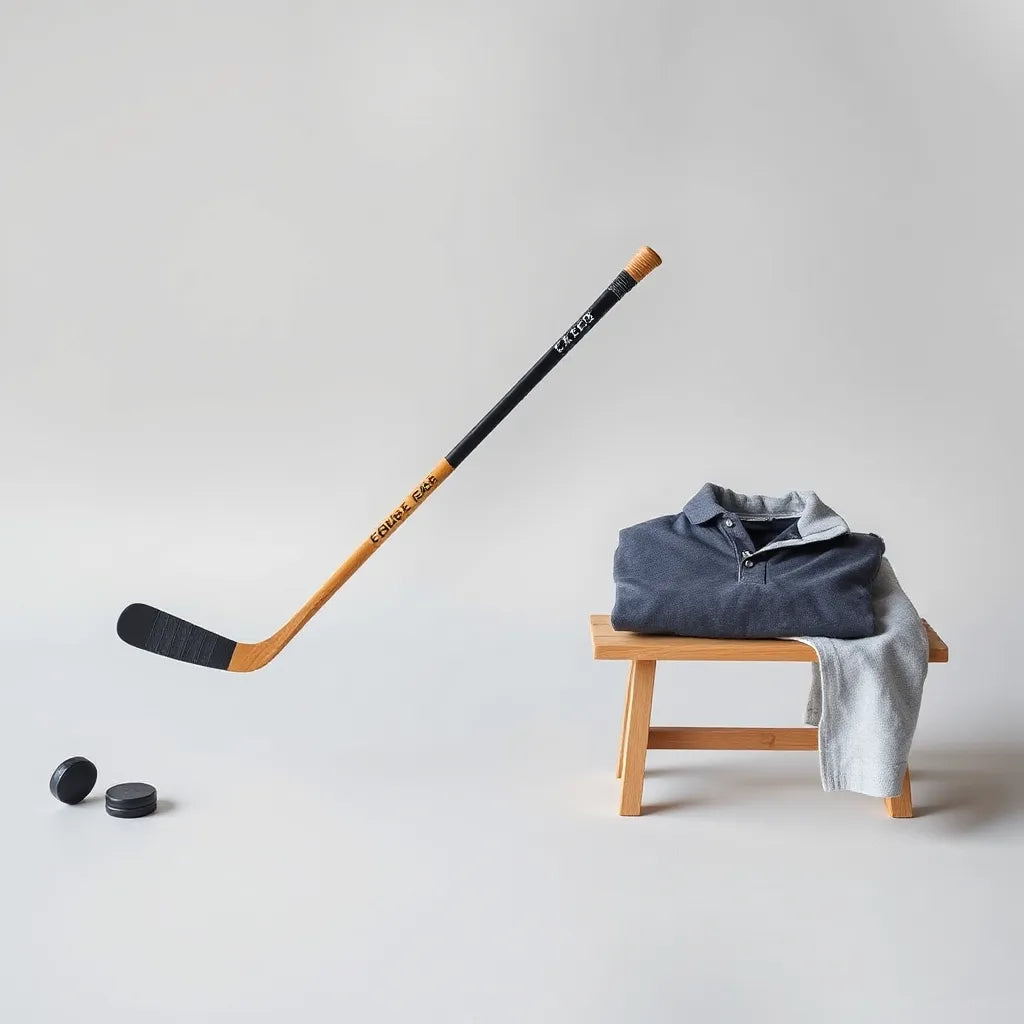
Hockey and Golf Fusion Style: Playbook for Sporty Looks
Updated on: 2026-07-11
Hockey and golf fusion sounds like a joke until you try dressing, practicing, and thinking like a crossover. This guide breaks down how to blend the two cultures without wearing out your hands, your patience, or your putter. You will learn gear habits, etiquette, and simple ways to plan a day that makes sense. Consider it a playbook for people who prefer vintage vibes, clean lines, and a schedule that does not read like a wish.
The Warmup: What Hockey and Golf Fusion Actually Means
Hockey and golf fusion is not a theme park ride where you spin between an ice rink and a fairway wearing roller skates. It is a crossover lifestyle: the same person, different environments, shared instincts. You learn to respect pace. You learn to read terrain, whether it is ice texture or grass grain. And you learn that every swing has a story, even the ones that end up in a “legendary” place you do not want to revisit.
In hockey, you think in seconds. In golf, you think in yards and minutes. The fun part of the fusion is learning when to speed up and when to slow down. The goal is not to become a robot that throws slapshots at sand traps. The goal is to carry the best parts of both sports into your day: timing, composure, and the kind of habit that makes you better when you are tired.
If you are new to the idea, picture it like this: hockey teaches you to move with intent; golf teaches you to commit with patience. Fusion is the bridge between those two moods.
Myths vs. Facts
-
Myth: You have to be great at both sports to enjoy hockey and golf fusion.
Fact: You just need curiosity. Improvement comes from repetition, not credentials. -
Myth: The swings are identical.
Fact: They rhyme, not match. Your job is to learn the differences without forcing the same motion everywhere. -
Myth: Etiquette is “whatever.”
Fact: Ice rules and course rules overlap more than you think: keep things moving, be respectful, and fix your mistakes without drama. -
Myth: The crossover crowd is only for pros.
Fact: Casual players make the best stories. The local league golfer and the weekend rink skater are the heart of the whole thing.
The Crossover Mindset (Yes, It’s a Real Thing)
Here is the insider truth: the fusion works when you stop chasing one perfect moment. Hockey rewards quick decisions. Golf rewards calm repetition. When you bring hockey brain to the course, you might want to treat every hole like a shift. Resist that urge.
Instead, treat your round like a series of mini shifts. In hockey terms, your “line” is your routine. You warm up the same way. You pick a target with the same method. You give yourself one clear checkpoint before the swing. The more consistent your process, the more your body stops improvising wildly like it just got called up from the minors.
Golf also brings you back to Earth. The ball does not care about your last shift. It does not care about your tournament streak. It simply rolls, bounces, and teaches. That is why crossover players often become better at both. You learn to be accountable without being theatrical.
If you are also the kind of person who likes a vintage look that fits the crossover crowd, you already get the concept. The best style is a blend: emerald-green confidence, cream tones, and a classic silhouette that does not beg for attention.
You can find that heritage vibe in Crossbar Athletic apparel made for hockey players who golf and golfers who play hockey. If you are building your crossover wardrobe, start with something simple and reliable: a tee that feels like your favorite old jersey and a hoodie that looks good even when your swing does not cooperate. For a quick browse, visit About the brand.

Two scoreboards: one ice pace, one fairway yardage
Equipment Habits That Save You From Yourself
Let’s talk gear, because gear is where dreams go to become blisters. In hockey, you are protected. In golf, you are… mostly just you and the weather. When you fuse the two, you learn to manage comfort like it is part of training, not an afterthought.
Pick routines that travel
Do not build a system that only works at one rink or one course. Keep a small set of essentials you can carry: a ball-marking tool, tees in a pocket, a towel, and a basic grip-care habit. Your goal is to reduce “where is it?” moments. Those moments are the true enemies of both sports.
Respect your hands
Hockey grips, gloves, and taping are not the same as golf grips. But the underlying problem is shared: friction. If you play both, your hands will eventually demand a refund for all that squeaky swing energy. Keep your grips and touchpoints in good shape so your hands do not turn into loud little alarm systems.
Match your clothing to your day
This is where the crossover look earns its keep. If you are going from rink to course, you want clothing that feels right for movement and does not look like it came from a costume drawer. Vintage-inspired pieces work because they do not rely on gimmicks. A classic tee and a hoodie are the uniform for people who play in different seasons and still want to feel like themselves.
Etiquette: Ice Rules vs. Country-Club Rules
Etiquette is the secret handshake of hockey and golf fusion. You might think the sports are worlds apart, but the good habits look similar once you zoom out.
Move with purpose
In hockey, you do not stroll onto the ice like you are browsing a museum gift shop. You arrive ready. On the course, same idea: keep play moving. If you are searching for a ball, be efficient. If you are lining up, do it when it is your turn and not during the gap where everyone else is waiting.
Fix mistakes without dramatics
In both sports, mistakes happen. The best players own their next action. On the ice, you adjust your positioning. On the fairway, you choose a realistic shot and take your medicine. No monologues. No blaming the ground. Just the next swing.
Talk less, observe more
Golf is not a team sport in the same way, but you still share a space with real people. Keep your conversations short and friendly. On the course, your tone matters more than your distance. On the ice, your focus matters most. The fusion players learn to switch modes without losing their manners.
Visual Checkpoint: Shot Selection With a Hockey Brain
Shot selection is where crossover players get interesting. Hockey teaches you to think about angles and timing. Golf teaches you to respect lies and risk. When you combine both, you stop guessing and start planning.
Try this mindset: before every shot, ask yourself one question. In hockey, that question is often “Where is the opening?” On the course, it becomes “What is the opening to the outcome I can live with?” If the best-looking option is too risky, you pick the safer lane, the same way you would take the percentage play in a tight game.
And yes, sometimes the safe play looks boring. But boring in golf is like defensive hockey: it prevents chaos. You do not need chaos. You need score you can repeat.

Arrow paths over a grid: safe lane and risky lane
A Simple Practice Loop for Hockey and Golf Fusion
You do not need a 14-step ritual. You need a loop you can do even when you are busy, tired, or watching the wind act like a prankster. Here is a practice structure that keeps both sports in your muscle memory without turning your schedule into a spreadsheet.
1) Start with tempo
Choose one motion you want to keep consistent. In hockey, that might be your timing into a shot. In golf, it might be your start of the backswing. Practice it slowly first. You are not trying to be impressive. You are trying to teach your body what “on purpose” feels like.
2) Add constraints
Constraints make practice honest. Instead of hitting “whatever,” pick a target area. For golf, keep it simple: fairway zone or a small landing strip. For hockey-inspired drills, keep the idea of a lane: you aim your movement so the end result matches the plan.
3) Review like a coach, not a critic
After a set, do a quick check: What changed? What stayed the same? In hockey, you learn from film and feedback. In golf, you learn from what the ball actually did. If you missed your target, do not curse your fate. Adjust one thing and try again.
4) Finish with one confident rep
End your session with a shot you expect to succeed. That last rep matters. It trains your brain to leave the range with confidence, not confusion. Then when you play for real, your first swing is not the first attempt at understanding your own mechanics.
Final Thoughts & Takeaways
Hockey and golf fusion is a way of life that mixes quick decision-making with calm execution. It is about respecting tempo, planning shots, and keeping etiquette intact when you switch settings. You do not have to be perfect. You just have to build routines that make sense.
Remember the main theme: fusion is not about copying one swing into the other. It is about carrying your best habits across the boundary. When you do that, you get the thrill of both sports and the comfort of knowing your day has a structure.
If you want a quick starting point, pick one habit from this post and stick with it for a few rounds or sessions. Consistency beats intensity, and vintage style beats last-minute panic.
And if you are heading out in crossover mode, consider keeping your outfit as dependable as your routine. Crossbar Athletic leans into heritage style for the crossover crowd, with vintage-inspired tees and hoodies designed to look sharp on the rink side and the clubhouse side. You can explore options at Crossbar Athletic.
Q&A
Is hockey and golf fusion mostly mindset, or do I need specific training?
Both. Mindset helps you switch tempos and expectations. Training helps your body learn the differences in timing and aim. Start with routine consistency, then add short, repeatable practice sessions. If you can do it twice a week, you are already ahead of the “I’ll start Monday” crowd.
What should I focus on first when switching from the rink to the course?
Tempo and shot planning. In hockey, you rely on speed and instincts. On the course, you need calm commitment and realistic options. Choose a target area, then build your swing around that plan. If you pick a lane, you reduce guesswork.
How do I handle etiquette if I play in both communities?
Keep both rulebooks in your head. Move when it is your turn, be respectful with spaces, and keep conversations friendly. Also, own mistakes quickly and move on. The crossover players earn trust by not making every moment a scene.
Can I enjoy hockey and golf fusion even if I am not competitive?
Absolutely. Fusion is about the joy of doing two different things with one personality. Casual play still benefits from good routines, decent planning, and clothing that makes you feel comfortable while you learn.
About the Author
Crossbar Athletic is written for the crossover crowd—hockey players who golf and golfers who play hockey. The team’s topic expertise centers on vintage-inspired style, everyday comfort, and practical guidance for blending sports culture without the noise. Thanks for reading; now go practice like it is a game and dress like it is a tradition.