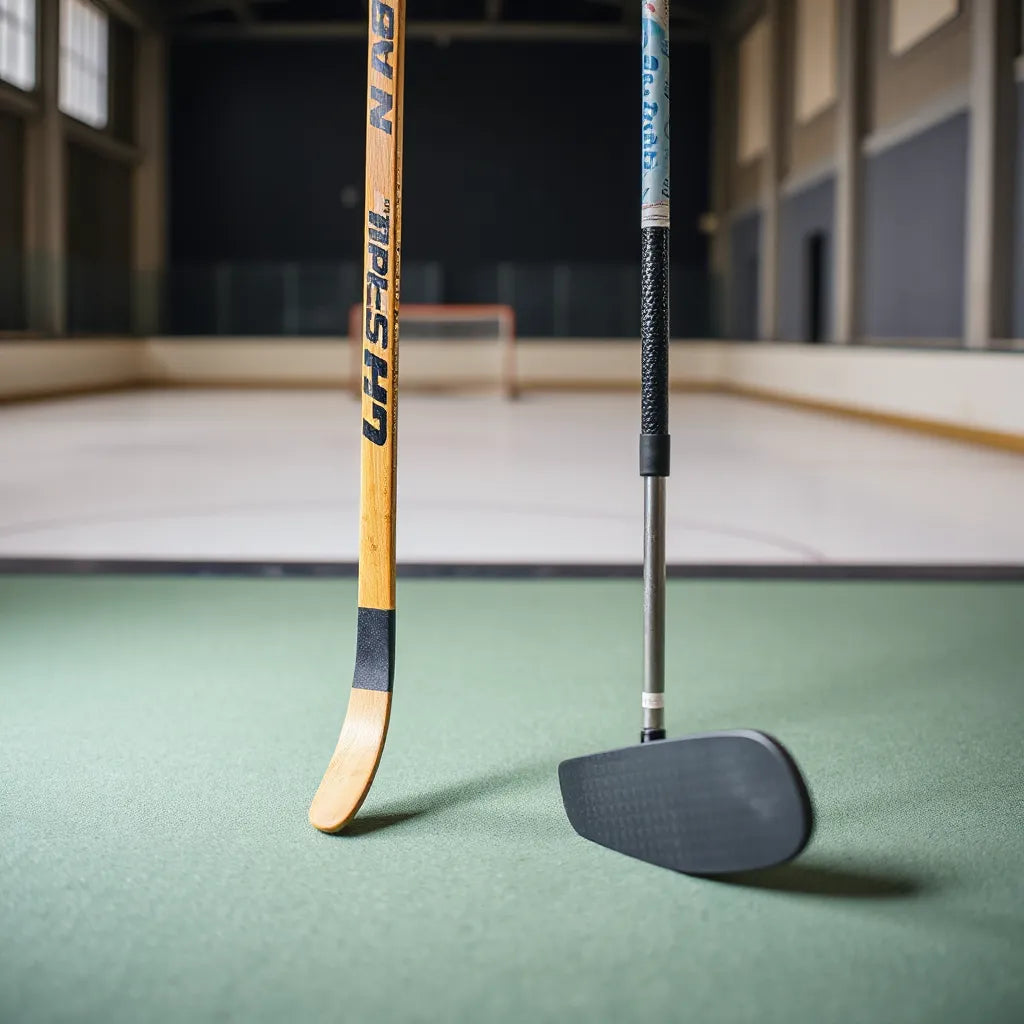
Hockey and Golf Crossover Style: Gear and Fit Guide
Updated on: 2026-07-16
If you’ve ever watched a hockey player step onto a golf course like it’s game day, you already get the vibe. This post breaks down the hockey and golf crossover lifestyle in a practical, non-cringey way. You’ll learn how to think about skills transfer, what gear makes sense, and how to build a routine that doesn’t confuse your hands. Expect humor, some insider habits, and ideas you can use whether you tee off on weekday mornings or carve ice after work.
1. Why the hockey and golf crossover makes sense
4. A practical warm-up that won’t start a feud
6. What to wear (and why it matters)
Why the hockey and golf crossover makes sense
The hockey and golf crossover is one of those ideas that sounds like a dare until you meet someone who lives it. On the ice, you chase speed, spacing, and balance. On the course, you chase rhythm, alignment, and calm. Different arenas, similar demands—especially for the brain that keeps score on everything.
Here’s the simple explanation: both sports punish sloppy fundamentals and reward patience. In hockey, you learn to read body position and react early. In golf, you learn to set up early and repeat the motion. The crossover crowd just doesn’t quit after practice. They bring the same “attention to detail” attitude to both worlds.
And yes, there’s a cultural piece. Hockey has that clubhouse energy, the post-game stories, the “we’ll get it next shift” mindset. Golf has a version of that too: the steady back-and-forth, the slow burn of improvement, the shared jokes when someone tops a ball like it’s trying to escape. Put them together and you get a community that understands schedules, etiquette, and the sacred art of not blaming equipment in public.
Did You Know?
- Both sports reward repeatability more than raw talent.
- Your legs do more than your arms in both swings and strides.
- “Tempo” is basically the secret handshake between the two sports.
- Accuracy matters in both: passing lanes and fairways have the same personality—tight and unforgiving.
Expert Tips
Let’s do the helpful part. Not the dramatic “change your life” part. The useful part. Think of these as mini playbook notes you can actually follow.
- Pick one cue per session: In hockey you might think “finish through.” On the course it might be “smooth tempo.” If you juggle five cues, your brain will file them under “interesting but unread.”
- Practice transitions, not just swings: In hockey, the change from stop to move matters. In golf, the change from setup to strike matters. Practice that moment deliberately.
- Respect the surface: Turf lies. Ice behaves (mostly). If your footing is off, your technique will adapt in a way you didn’t approve.
- Track contact quality: Instead of counting every shot, note whether contact felt clean. It’s the closest thing to a scoreboard you can control.
- Use short clubs early: They teach face control and body position without turning every practice into a long-range experiment.
A practical warm-up that won’t start a feud
In the hockey and golf crossover world, the warm-up is where friendships are tested. You want mobility, but you don’t want to overthink. You want to feel ready, not perform a yoga audition.
Try this routine as a calm bridge between sports. It’s simple, repeatable, and it won’t require a laminated card in your golf bag.

Two sports symbols align: ice skates, golf tees
- 1–2 minutes of easy movement: Light jog or brisk walk. Get the blood moving and stop your joints from acting like they’re made of old hinges.
- Hip rotation drills: Gentle rotation to wake up the area that controls your swing arc and your skating balance. Keep it controlled. No heroics.
- Shoulder mobility: Small arm circles or band work. Think “smooth range” instead of “maximum range.”
- Rhythm practice: Make a few easy practice swings or stick swings without chasing distance. The goal is to find tempo.
- Contact reps: Ten short reps focused on clean contact. In hockey terms, it’s like dialing in stick-to-puck feel before you start firing.
If you’re coming from hockey, resist the urge to “muscle” everything like it’s a breakaway. If you’re coming from golf, resist the urge to treat every swing like a slow-motion painting. You’re building a bridge, not staging a debate.
Personal Anecdote
I once watched a guy who could backhand like he was born with a stick try to drive a ball like it owed him money. He planted his feet, took a big swing, and the ball launched about as far as a polite sigh. Then he looked at his buddies, shrugged, and said, “My hands are trying to score goals.”
That line has stuck with me. Because it’s the truth of the crossover: your hands know one job, and you’re asking them to learn a new one. The good news? Hands are smart. They adapt when you give them clear instructions.
What helped him wasn’t buying anything fancy or switching to a completely different style. It was slowing down just enough to let his body lead. He stopped trying to overpower the club and started focusing on smooth contact. The next few shots went from “mystery tour” to “fairway visit,” and his confidence came back like a friend who never really left.
That’s the core lesson: the crossover works when you treat it like training, not like a costume change.
What to wear (and why it matters)
There’s a reason vintage-inspired apparel shows up in the hockey and golf crossover crowd. It’s not about trends. It’s about feeling like you belong in both places. When your outfit fits the story, you swing easier and move with less irritation—because nobody wants an itchy collar judging their backswing.
Here’s the practical approach:
- Layer smart: Courses can be windy. Rinks can be cool. Layers let you adjust without turning into a human zipper.
- Choose comfortable sleeves: If your shoulders feel restricted, your swing will feel forced. Same idea as reaching across ice.
- Look for breathable fabric: You’ll move more than you think, especially if you’re walking the course like you’re tracking plays.
- Make room for your “hands are learning” phase: The best clothes in the world can’t fix timing, but they can help you stay relaxed while you find it.
If you’re building a crossover wardrobe, vintage-inspired tees and hoodies are a safe bet—simple lines, classic color, and the kind of comfort that doesn’t distract from practice. For a store-style look at crossover apparel, you can browse Crossbar Athletic heritage.
And if you’re pairing hockey confidence with golf calm, remember: the outfit shouldn’t perform. It should just support. Like a good screen pass. Quiet. Effective.

Classic colors palette: emerald and cream on scoreboard squares
Etiquette: golf rules meet hockey brain
Golf and hockey etiquette overlap in a way that feels oddly natural. In hockey, you respect the game, respect officials, and keep your team’s energy focused. In golf, you respect pace of play, your playing partners, and the course itself. Different rules, same vibe: don’t be the reason the day drags.
Here are a few crossover-friendly reminders that keep you from stepping on the wrong rake or calling “clear!” when nobody asked.
1) Pace matters more than bravado
On ice, you’re always moving toward something. On the course, you’re moving toward a ball that may or may not be in hiding. Still, you can avoid bottlenecks by planning your shots and staying ready.
2) Call your line, but don’t invent drama
Golf conversations can be friendly and light, but don’t turn every putt into a courtroom scene. If you’re used to talking during games, dial it down. Let the rhythm of the hole do its job.
3) Watch your language
In hockey, playful trash talk is often part of the culture. In golf, especially with new groups, keep it mild. A joke is fine. A rant is not. Think “locker room smile,” not “penalty box monologue.”
4) Fix your divots like a grown-up
This one is universal. Whether you’re used to skates leaving marks or clubs tapping turf, treat the course gently. It’s not just good manners; it’s how the sport stays beautiful.
Want a simple way to remember it? Imagine you’re both teams on the ice at once: you’re playing smart, staying respectful, and leaving the place better than you found it.
Summary & Takeaways
The hockey and golf crossover is less about gimmicks and more about transferable fundamentals: tempo, balance, repeatability, and a brain that learns by paying attention. When you warm up with intention, practice transitions, and choose one clear cue at a time, progress shows up faster. Etiquette is also part of the crossover skill set—keeping pace, staying respectful, and treating the course like it’s part of the team.
Action steps to take today:
- Do a short bridge warm-up: movement, rotation, rhythm, clean contact reps.
- Use one cue per session so your hands stop filing requests under “later.”
- Practice the transition from setup to strike, not just the swing itself.
- Wear something comfortable and classic so you can focus on the shot, not the outfit.
And if you’re still struggling, remember: every crossover athlete has a phase where their hands don’t know which sport they’re currently auditioning for. That phase is normal. It ends. Usually before the round takes too long, unless everyone agrees to “just one more drill.”
Q&A Section
Is the hockey and golf crossover mainly about athletic skill or mindset?
It’s both, but mindset does a lot of heavy lifting. Athletic skill helps with timing and body awareness, yet golf rewards patience and clean contact even when you’re not having a “peak performance” day. If you can stay relaxed and focus on one cue, your results improve quickly.
What’s the biggest mistake crossover athletes make when switching sports?
Trying to force the motion. Hockey players often apply too much muscle to golf shots, while golfers sometimes move too slowly when they should be coordinated and ready. The fix is to prioritize tempo and contact quality before chasing distance.
How often should someone practice golf if they also play hockey?
A couple focused sessions can beat one chaotic session. Aim for short practice blocks that emphasize setup, rhythm, and a few quality reps. Consistency matters more than marathon practice, especially when your body is already trained for another sport.
Can my hockey background help with reading greens and course strategy?
Yes. Hockey teaches you to observe angles, anticipate movement, and respect spacing. On the course, those skills translate into reading putt lines, planning shot routes, and selecting safer options when needed. Strategy is like defense: you don’t always look flashy, but you prevent the big mistake.
About the Author
Jordan Miles
Jordan Miles writes about the hockey and golf crossover culture with a focus on classic style, on-course habits, and practical training ideas that don’t require hype. With years of amateur play and community coverage, Jordan understands how crossover athletes think, dress, and practice. Crossbar Athletic is where Jordan’s favorite stories and insider notes live—emerald confidence, cream calm, serif nostalgia included. Thanks for reading, and may your next drive be straight enough to fool your scorecard.
Disclaimer: This article is for entertainment and general guidance only. It does not provide medical advice or guarantee results. Always use safe techniques and consider professional coaching if you have specific concerns.