Heritage Sports Clothing: Style Guide for Timeless Looks
Updated on: 2026-07-08
You can think of heritage sports clothing as the polite cousin of modern gymwear: it shows up in a blazer of nostalgia. In this guide, you will learn what “heritage” really means in sports style, how to spot quality, and how to build outfits that feel authentic. You will also get practical care tips so your favorite tees and hoodies keep their color and shape. Bonus: we will cover how to style it for everything from rink-side errands to country-club casual.
Table of Contents
1. Heritage Sports Clothing 101
2. How to Spot Quality (Without a PhD)
3. Style Ideas for the Crossover Crowd
4. Did You Know?
5. Expert Tips
6. Personal Anecdote
7. Care and Wear: Keep It Looking Like It Belongs
8. Summary & Takeaways
9. Q&A
10. About the Author
Heritage Sports Clothing 101
Heritage sports clothing is the style language of people who know a good jersey when they see one, even if it is wearing a hoodie-shaped trench coat. It is not about chasing trends. It is about respecting the visual grammar of sports—serifs, stripes, crest-like details, and that “I have been here before” feeling.
In practice, it usually means you get a vintage-inspired look with modern comfort. Think of it like a well-worn stick blade: familiar, reliable, and quietly confident. The point is the mood. You are dressing for the crossover crowd—hockey players who golf, golfers who play hockey, and anyone else who enjoys a little tradition without pretending they live in 1973.
What makes it “heritage” is usually a mix of three things: classic design cues, durable construction, and a color palette that looks like it came from a club brochure and not a neon clearance rack. When you shop vintage-inspired tees and hoodies, you are not just buying fabric. You are buying a small piece of sports memory that you can wear to the places that happen after the game.
2. How to Spot Quality (Without a PhD)
You do not need to be a textile detective to tell what will last. You just need your eyes and a tiny bit of patience. Here is the simple checklist I wish someone handed me before I accidentally bought a shirt that shrank like it was trying to escape.
- Fabric feel: Look for a weight that feels substantial without being stiff. If it feels too thin, it will likely look tired sooner.
- Stitching: Clean seams and even hems are a good sign. Loose threads are not “character.” They are future problems.
- Print placement: Chest logos should look intentional, not like they were applied during a lightning storm. Back graphics should sit flat and readable.
- Color retention: Deep colors tend to fade less when printed and dyed well. If the palette looks rich, it usually holds up better.
- Neckline comfort: A good collar or crew neck should feel stable. If it looks wavy or flimsy in photos, it often becomes wavier in real life.
Quality is also about fit. Heritage styles often lean classic: not skin-tight, not overly baggy. You should be able to move your shoulders without your shirt auditioning for a “Stretch Armstrong” remake.

Checklist visual: seams, collar, and even print lines
3. Style Ideas for the Crossover Crowd
Heritage sports clothing shines when you treat it like a foundation, not a costume. The outfit should feel like it could have been planned—like you “just happened” to match the vibe. Here are a few ways to do that without turning every day into themed event planning.
Rink-side, but make it errands
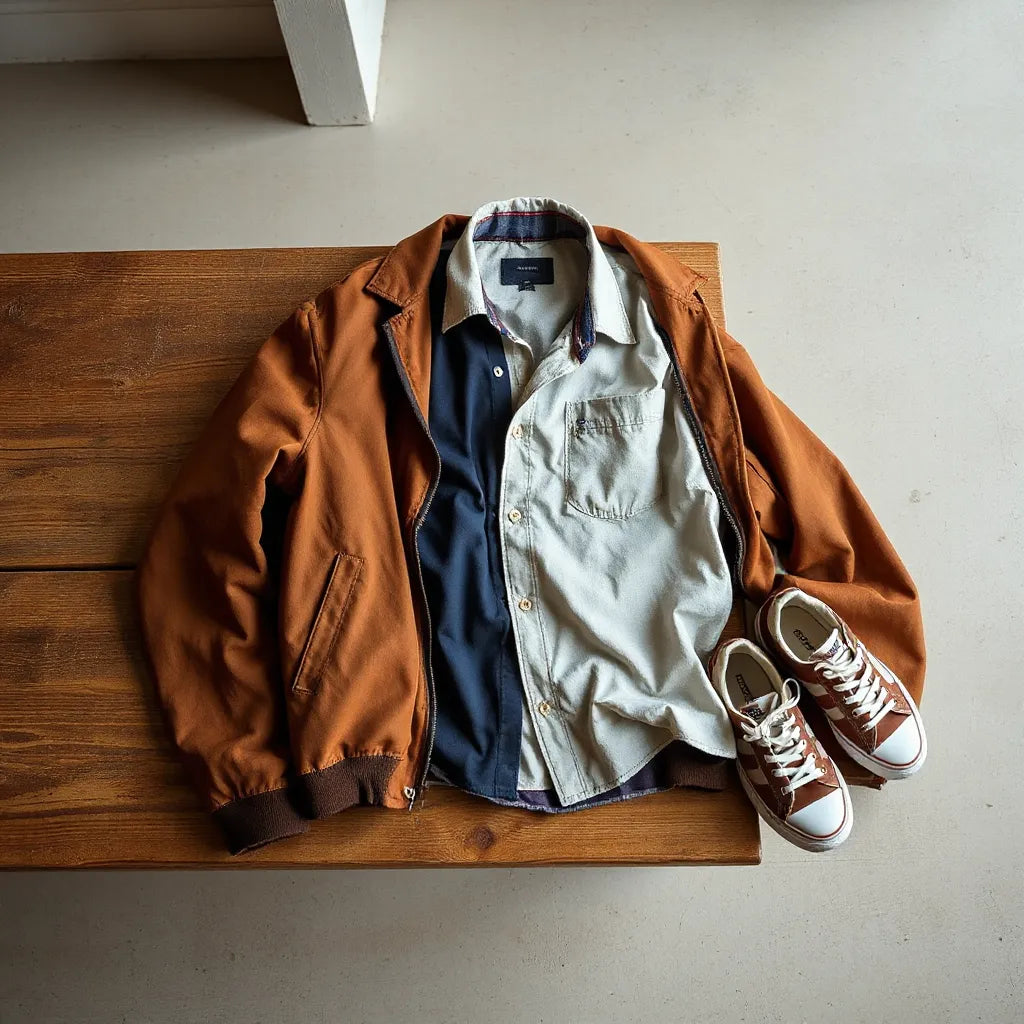
Pair a vintage tee with a classic overshirt or a light jacket. Add jeans that do not fight you every time you sit down. Finish with clean sneakers. The goal is effortless authority: you look ready for a quick stop at the shop, not ready to audition for “Most Likely to Lose a Skate Key.”
Country-club casual with sports credibility
For that heritage-meets-country-club look, choose neutral bottoms and let your top do the talking. The small chest logo gives a subtle nod, while the illustrated back graphic acts like the punchline. Keep accessories minimal. You are not trying to outshine the scorecard; you are trying to complement it.
Layering that does not look like packing peanuts
Hoodies are perfect for transitional weather, especially when styled with a structured outer layer. A hoodie under a jacket can read classic when the colors are calm and the lines are clean. Avoid mixing too many loud patterns at once. One bold graphic is enough to carry the whole story.
Color strategy: emerald, cream, and friends
Heritage sports style often looks best when the palette stays inside a cozy fence. Emerald accents, cream tones, and darker neutrals create contrast without yelling. If you love the vintage feel, keep the rest of the outfit simple so the jersey-inspired details can breathe.
H2: Did You Know?
- Heritage style borrows from sports uniforms, then scales down the formality for everyday wear.
- Serif-like lettering and crest-inspired graphics often signal “tradition,” even on a tee.
- Back illustrations are a classic move because they look better when you are walking away (and you cannot avoid that).
- Color palettes inspired by club branding tend to age gracefully over time.
H2: Expert Tips
- Choose one statement element: Let either the back graphic or the color block be the main event. The rest should support the cast.
- Match textures, not just colors: A sweatshirt with a sturdy look pairs nicely with denim or structured outerwear.
- Think “move with the outfit”: When you sit, the fabric should not twist. When you raise your arms, the print should not distort.
- Keep the branding subtle: Small chest marks usually read more refined than oversized, all-over logos.
- Wash with respect: Gentle cycles and cold water help keep colors steady.
If you want to keep your everyday routine as calm as a well-run clubhouse, consider pairing your look with comfortable basics. For more inspiration around clean, classic routines, you can explore how the brand thinks about crossover style.
H2: Personal Anecdote
I once wore a vintage-looking hoodie to a place that was very serious about “proper footwear.” I was dressed like I belonged there—at least, that is what I told myself as I adjusted the cuff and pretended the outfit had a life plan.
Halfway through the day, someone asked if the back graphic was “team-related.” I smiled the way you smile when you want to sound cool but also do not want to start a history lesson. I said something vague like, “Sort of,” and then I realized I was basically wearing a sports postcard.
The funny part is that the hoodie did not scream for attention. It just quietly held the mood. That is what heritage sports clothing does best. It does not beg to be noticed. It simply looks like it has stories.

Street-style scene: cold air jacket layering and back graphic silhouette
7. Care and Wear: Keep It Looking Like It Belongs
Heritage style is like a good pair of skates: it works best when you take care of it. The goal is not to keep everything brand-new forever. It is to keep it looking intentional as it breaks in.
Washing: cold water, calm attitude
Wash in cold water when possible. Heat can be a print’s worst enemy, and nobody wants a crest-inspired design that looks like it melted into a modern art exhibit. Turn the garment inside out before washing to help protect the graphic areas.
Drying: less heat, more lifespan
Air drying is the friendliest option. If you must use a dryer, choose a lower heat setting. High heat can shorten the life of both fabric and print. Again: you are not trying to speed-run wear.
Storage: hang or fold like you mean it
For hoodies, folding keeps the shape neat in drawers. For tees, a gentle hang can help prevent deep creases. Avoid storing in places with extreme humidity, unless you want your clothes to audition for “sad vintage.”
Spot cleaning: small messes, quick fixes
If you get a small stain, treat it early. Use mild detergents and avoid aggressive scrubbing. Think of it as patience, not punishment. Most marks respond better when you address them sooner rather than later.
Rotation: give garments breathing room
Wearing the same piece every day will age it faster. Rotating your tees and hoodies helps keep the fabric from getting overworked. Also, it gives you more chances to enjoy the good ones. It is a win-win, like finding an extra puck you did not know you dropped.
Want a quick shortcut to a cleaner routine? You can check customer support for fabric care guidance and sizing questions, especially if you have a specific hoodie or tee you are trying to keep in rotation.
8. Summary & Takeaways
Heritage sports clothing is about more than nostalgia. It is a style system built on classic cues, quality construction, and that “lived-in but still sharp” look. You can spot quality by checking fabric weight, stitching, stable necklines, and print placement. For styling, keep the outfit simple: let the small chest logo stay subtle and let the back graphic provide the story.
The actionable part is easy: choose pieces with a classic fit, wash cold, protect graphics, and rotate your favorites. If your closet needs more quiet confidence and less trend chaos, heritage-inspired tees and hoodies are a very reasonable place to start.
9. Q&A Section
What does “heritage” mean when it comes to sports-inspired apparel?
“Heritage” usually points to design choices borrowed from sports uniforms and club aesthetics. You will often see classic color palettes, traditional logo placement, and graphics that feel built for long-term wear rather than quick trend cycles.
How should heritage sports clothing fit for a casual everyday look?
For a comfortable, timeless fit, look for shapes that feel classic through the shoulders and chest without being restrictive. You should be able to move easily, and the fabric should drape naturally instead of pulling tight around the torso.
Can I wear heritage sports clothing to places that are not sports-themed?
Absolutely. That is kind of the whole point. The vintage cues read as refined casual, especially when you pair them with neutral trousers, clean sneakers, and simple outer layers.
What is the best way to keep the graphics from fading?
Wash cold, turn garments inside out, and avoid high heat when drying. Gentle care reduces stress on prints so they stay crisp instead of going soft around the edges like a well-meaning slogan that had a rough day.
Are hoodies or tees better for the heritage look?
Both are solid, but they do different jobs. Tees lean into everyday simplicity with a clean chest mark and a strong back graphic. Hoodies add warmth and a classic layer that makes the outfit feel complete, especially during the in-between seasons.
10. About the Author
Crossbar Athletic is a brand-built team with expertise in vintage-inspired apparel, classic sports styling, and the details that make tees and hoodies look right from the first wear to the hundredth. We focus on heritage, country-club sensibility, and crossover-ready design for hockey-to-golf people and golfers-to-hockey people. Thanks for reading—now go wear something that looks like it has a past and feels like it has a future (without being dramatic about it).
Disclaimer: This article is for general style and care guidance only. Always follow the care instructions on your garment label and test cleaning methods on a small, hidden area first.