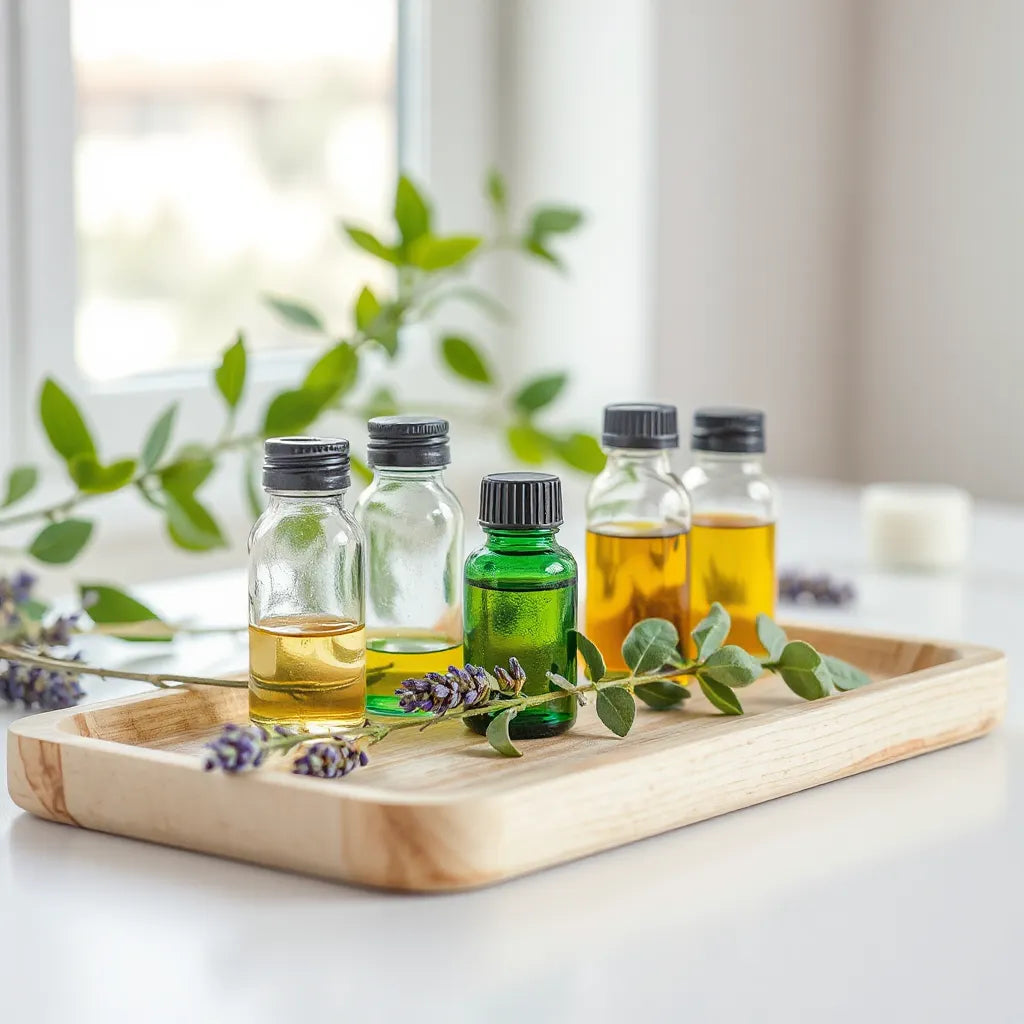
Essential Oil Blends Guide for Calm and Everyday Wellness
Updated on: 2026-07-21
Essential oil blends are the easy way to build a scent mood without turning your home into a science lab. With the right ratios, you can create combinations that feel balanced, not chaotic. This guide walks through common pros and cons, plus a practical method for testing blends safely and confidently. You’ll also learn how to match blends to use cases like diffusers, skincare routines, and relaxing evenings.
- Pros & Cons of Essential Oil Blends
- Step-by-Step Practical Guide
- Blend Basics: Scent Families and Ratios
- Test and Tune Like a Cartographer
- Safety and Storage (So It Stays a Hobby, Not a Drama)
- Uses in Daily Life: Beyond “Smells Nice”
- Wrap-Up
- Q&A Section
- About the Author
Pros & Cons of Essential Oil Blends
Essential oil blends are like playlists for your senses. The right lineup can make a room feel calmer, cozier, or simply more you. Still, not every mix is a chart-topper. Here’s the honest scorecard.
Pros
- More control than buying one-note scents: You can adjust what comes forward—citrus, woods, herbs—until it feels right.
- Layering that smells intentional: A good blend usually has top, middle, and base notes, so it evolves instead of fading like a whisper.
- Cost efficiency over time: One bottle can go further than repeatedly purchasing individual products with a fixed scent profile.
- Great for custom moods: A “fresh morning” vibe can be very different from an “evening unwind” vibe, and blends let you pick the chair you want to sit in.
Cons
- It’s easy to overdo it: Strong scents can feel like someone turned the dial and forgot where “off” is.
- Not all scents play well together: Some oils compete; others disappear. Getting a balanced aroma takes a bit of trial.
- Skin and air use are not the same: What works in a diffuser might be too intense for topical use without careful dilution.
- Storage matters: Heat and light can dull aroma and change how a blend smells over time.
If you treat essential oil blends like a craft instead of a guess-and-hope situation, you’ll save yourself both headaches and wasted drops.
Step-by-Step Practical Guide
Let’s turn “I watched a video once” into “I can do this in my real life.” The process is simple: choose a purpose, pick a scent direction, mix with restraint, test, and record what you like.
Blend Basics: Scent Families and Ratios
Think of essential oils in families, like outfits in a vintage closet. Citrus is bright, herbal is grounded, and woods are the quiet ones that anchor the whole look.
Here’s a straightforward ratio method you can use as a starting point:
- Top note (first impression): 30%
- Middle note (the main story): 50%
- Base note (lasting support): 20%
In practice, ratios can mean small numbers. For a blend measured in drops, try a simple setup like 6 drops total: 2 top, 3 middle, 1 base. Then scale up once you know what you enjoy.
Here are a few pairing strategies that usually behave themselves:
- Bright + grounding: Citrus with an herb or light floral for lift and balance.
- Herbal + woody: Herbal scents often love classic base notes to keep the blend from feeling thin.
- Fresh + warm: Clean aromatics plus a deeper note can feel like a sweater you didn’t know you needed.

Stylized note “stacks” showing top, middle, base balance
Test and Tune Like a Cartographer
Testing isn’t glamorous, but it is effective. You’re mapping scent geography: what shows up first, what holds, and what lingers after you’ve stopped paying attention (the best part).
Use this approach:
- Start small: Mix fewer drops than you think you need. You can add, but you can’t un-mix.
- Wait between sniffs: Aromas settle. Give it time for the blend to “arrive.”
- Use a neutral test surface: A plain paper strip works well. It keeps things from taking over with other smells.
- Adjust one variable at a time: If it’s too sharp, reduce the bright note. If it’s too faint, add a touch of the base.
Quick tuning guide:
- If it feels harsh: Ease back the top note and add a fraction more middle note.
- If it disappears fast: Increase the base note slightly (just a couple drops).
- If it smells flat: Add a small amount of top note to give it “movement.”
And yes, you should keep notes. Not because you’re a robot, but because your future self will forget every detail—like where you parked or why you were carrying three different lotions.
Safety and Storage (So It Stays a Hobby, Not a Drama)
Here’s where we keep it sensible. Essential oils are concentrated. That means they deserve respect.
Follow these basic guardrails:
- Follow dilution guidance for any topical use: If you’re blending for skin routines, use appropriate carrier products and conservative ratios.
- Patch test when using on skin: Try a small amount first and watch how your skin reacts.
- Avoid contact with eyes: Your face is not a tasting plate.
- Ventilate for diffuser use: If the room feels stuffy, let fresh air do its job.
- Store in a cool, dark place: Keep blends away from sunlight and heat to preserve aroma.
Also, label your mixes. “That one smell from last month” is not a system. A simple name and date goes a long way.
Uses in Daily Life: Beyond “Smells Nice”
People buy fragrances for emotions. Blends do the same, but with more flexibility. Here are a few ways to use essential oil blends without turning every room into a scented aquarium.
Diffusers: the “set it and forget it” option
Diffusers help disperse aroma more evenly. If your blend is balanced, it should feel like a background note rather than a spotlight. Start light, then raise gradually.
Skincare routines: go gentle and do it intentionally
When blends are used in skincare, dilution is the whole story. Scent can be part of a routine, but the base matters too—hydration, comfort, and compatibility with the rest of your routine.
If you’re building a routine around scent and comfort, consider pairing a gentle, everyday product with your blend so the aroma supports rather than overwhelms.
For a simple starting point, explore essential oil blend options and see how different scent notes are presented for daily use.
Home refresh: quick mood shifts
Essential oil blends can also support a “reset” moment—like fresh sheets energy or a tidy entryway vibe. Use them thoughtfully. If your blend makes you want to sneeze, it’s not a cozy feature; it’s a warning sign with good branding.
Layering with body and hair care
Hair and skin hold scents differently. If you’re experimenting, keep track of what goes where. A blend that feels perfect in the diffuser might be too noticeable when added to hair care, and that’s normal. Your nose just has opinions.

Room diagram with airflow arrows and scent “cloud” layers
How to choose oils for your goal
Instead of hunting for the “best” blend, pick the vibe you want and work backwards. Use this cheat sheet:
- For an energizing feel: Focus on bright top notes with a calm middle.
- For a grounding vibe: Lean into herbal and wood-like base notes.
- For a cozy, evening mood: Combine warm, deeper base notes with soft middle notes for smoothness.
- For a clean, just-wiped sensation: Pair crisp aromatics with light, supportive notes that don’t fight.
When in doubt, keep your blend small and your expectations realistic. Not every drop has to be dramatic. Sometimes the best blend is the one that behaves.
Wrap-Up
Essential oil blends are a practical way to shape your environment with scent, and they’re easier than they look—especially when you treat them like a craft. Start with a simple ratio, mix small, test on a neutral surface, and adjust one note at a time. Store blends properly, label them clearly, and keep safety in mind for any topical use.
If you want a calmer start, begin with fewer oils and build confidence. Your nose will learn the patterns quickly, and your home will start smelling like you planned it instead of like you found a magic cabinet.
Ready to pair a blend with something gentle for your routine? Browse herbal-inspired essentials for complementary care ideas.
Q&A Section
How many different oils should I start with in a blend?
Start with two or three. A small cast makes it easier to notice what changes when you adjust a note. Once you can predict what the blend will do, you can add more complexity.
What should I do if my blend smells too strong?
Back off the top note first. Strong “first impression” scents usually come from brighter oils, so reducing those often improves balance. Also, test again at a smaller scale to prevent the whole batch from becoming a party trick.
Can I use essential oil blends in a diffuser and in skincare?
They can be related, but they should not be treated as the same use. Diffuser use is not automatically safe for skin. For any topical application, use proper dilution with a carrier and consider patch testing before going full routine.
How long do blends stay aromatic?
It varies based on storage, light exposure, and the specific oils used. Cool, dark storage helps. If a blend smells weaker or off over time, it’s usually a storage or aging issue, not your nose being mean.
About the Author
Jordan Blake, Crossbar Athletic —Jordan writes about lifestyle product experiences with a focus on everyday routines, scent education, and practical pairing. After years of tinkering with comfort-forward habits, Jordan enjoys translating “how it works” into plain language with a wink. Thanks for reading, and may your next blend be balanced, not battlefield-level intense.
Disclaimer: This article is for general education only and is not medical advice. Always read product labels and follow safety guidance for any oils, carriers, or fragrance use. If you have sensitivities or health concerns, consult a qualified professional before using any blend.