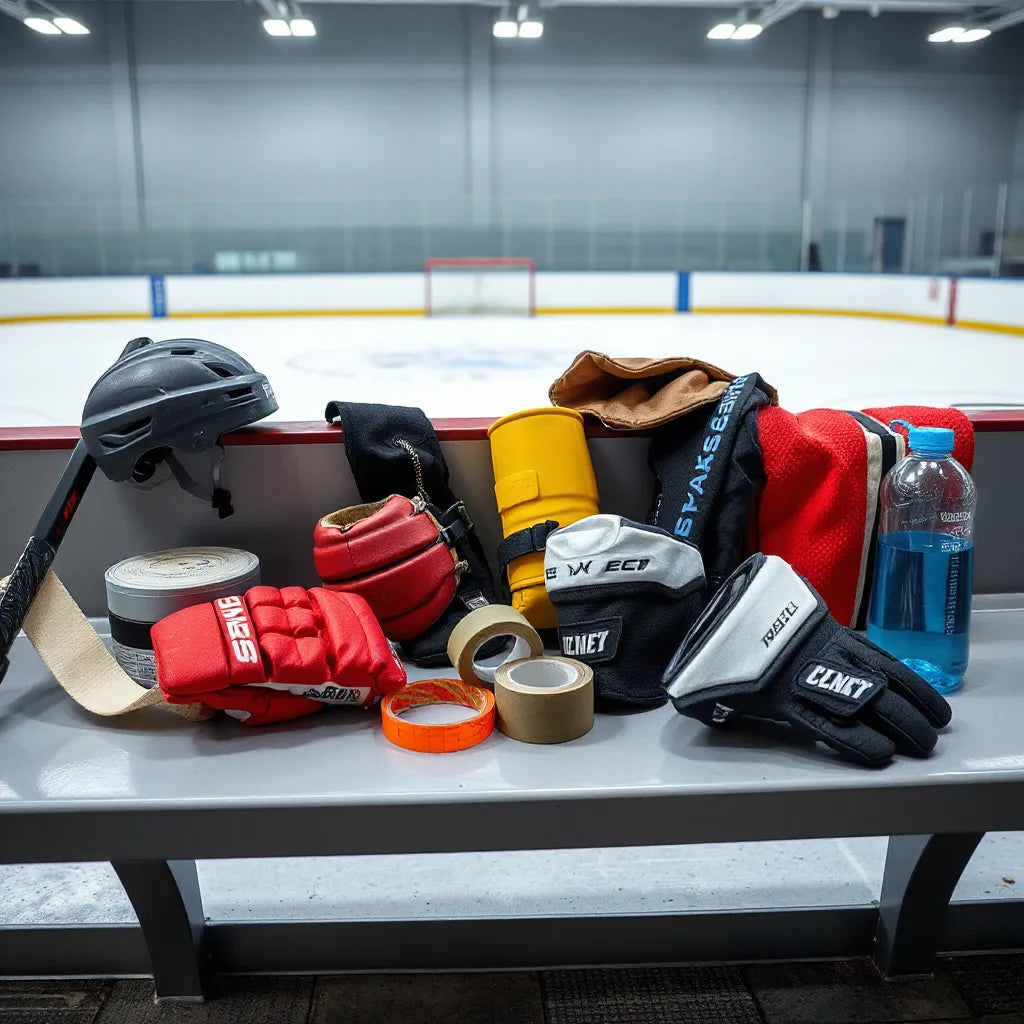
Beer League Hockey Gear Checklist for Game Day Success
Updated on: 2026-07-16
Beer league hockey is equal parts strategy, slapshot dreams, and “how did that puck end up in the corner?” moments. This guide helps you prepare smarter—gear-wise, mindset-wise, and schedule-wise—without turning every skate into a science experiment. You’ll learn how to plan practices, build a routine for game nights, and stay comfortable from first warm-up to final water bottle. Expect practical steps, light humor, and a few insider habits that keep the season moving.
1. What Beer League Hockey Actually Means
2. Essential Tips Before You Commit
3. Setup and Game-Night Routine
4. Practice Like You Mean It (Without Spiraling)
5. Gear That Fits the Reality of Team Life
6. Team Habits That Make Everyone Better
7. Simple Tactics for Common Situations
8. Summary & Takeaway
9. Q&A Section
What Beer League Hockey Actually Means
Beer league hockey is where hockey lives when it’s done being intimidating. It’s the rink where the hours are honest, the goals are celebrated like family photos, and the refs still look like they’re doing overtime math in their heads.
More importantly, it’s a league format that rewards readiness. You don’t need a perfect system. You need a reliable routine, enough comfort to move well, and a mindset that can survive a shaky first shift and still end the night with a grin.
Think of it like a country-club picnic where the main activity is skating: lots of little details matter, and nobody is impressed if your plan collapses at the smell of hot rubber from the equipment bag. You’re here to play. The rest is support.
Essential Tips Before You Commit
Pick a realistic time window for games and practices. Consistency beats heroics, especially when your schedule is doing synchronized chaos.
Bring your “minimum viable readiness” kit. The goal is less scrambling, more skating. That includes simple layers, a water plan, and a towel that actually exists.
Communicate early with teammates. If you’re missing a game, say so sooner rather than later, like a polite weather report with legs.
Warm up like you care. Ten minutes of sensible movement helps you skate better and reduces the odds of your legs filing a formal complaint.
Set one personal objective per month. “Get better” is noble, but “improve my first three strides” is actionable and less dramatic.
Setup and Game-Night Routine
The most common reason people struggle in beer league hockey isn’t talent. It’s friction. That little gap between “I’m ready” and “I can’t find my tape” is where stress grows teeth.
Start with a pre-game rhythm. Keep it boring. Boring is good. Boring is repeatable. Here’s a routine that works for most players and doesn’t require a ceremonial drum roll.
Arrive early enough to breathe. Walk in with time to park, find your bench, and settle your thoughts. Bonus points if you don’t rush your laces like they owe you money.
Do a two-part warm-up: general movement first, then hockey-specific motions. Start easy, then ramp up. Your body likes a staircase, not a cliff.
Check your gear in one quick sweep. Skates tight? Gloves functional? Tape where it needs to be? If anything feels off, fix it before you step onto the ice. The ice will not negotiate.
Use a simple hydration and fuel plan. Drink water steadily before you play. If you snack, keep it light and familiar.
When you’re ready, focus on the first shift. Not the entire game. The first shift. You’ll play better if you’re not previewing every outcome like a horror movie trailer.

Bench-time checklist icons: skates, tape, water
Practice Like You Mean It (Without Spiraling)
Practices for beer league hockey don’t need to be long to be useful. They need to be structured. Otherwise, you end up with 20 minutes of skating in a circle and someone suggesting, “Let’s just wing it.” Winging it is fine when you’re a kid with a paper airplane. On the ice, it’s a lifestyle choice you’ll pay for later.
Build a practice that hits three buckets: touch, decision-making, and confidence. Touch means puck handling. Decisions are passing, switching lanes, and knowing when to shoot. Confidence is finishing reps so you feel capable instead of just busy.
Try this simple practice outline
Short puck warm-up (10–15 minutes). Stickhandling, small turns, and basic control. Keep it clean. Clean beats fancy.
Passing and receiving (15–20 minutes). Practice quick taps and firmer passes. Add a simple rule: receive with your body oriented to your next move.
Game-like reps (20–25 minutes). Small-area scenarios: 2v2, 3v3, or a short cycle drill. The goal is reps under pressure, not theatre.
Finish with a confidence segment (5 minutes). Shooting or one-timers from the spot you actually see in games. If you don’t shoot there in practice, don’t expect it to appear magically in a game.
Keep morale intact
If your team is friendly and competitive (a winning combo), protect the vibe. Give feedback that’s specific. “Nice” is fine, but “good support on the pass” is better. Also, save the big corrections for a pause in play. The rink is not a courtroom. Your teammates are not defendants. They’re just humans wearing elbow pads like they’re armor.
Gear That Fits the Reality of Team Life
Equipment for beer league hockey is a mix of comfort, function, and practicality. You don’t need to look like a sponsored robot. You need gear that doesn’t distract you.
Start with the basics that affect your day-to-day:
Skates: If your skates cause pain, everything else becomes harder. Fit and lacing matter. Don’t ignore pressure points like they’re “normal.”
Gloves and stick: Make sure your stick grip isn’t turning every shot into a slip-and-slide. Re-wrap or adjust before the season gets old.
Layers: You’re warming up in cold air, then moving on ice, then cooling off by the bench. A layered approach keeps you from being either a popsicle or a sweat lodge.
Protective gear: Pads should stay in place. You want “protected,” not “chasing your own elbow pad across the ice.”
And yes, clothing off the rink matters too. After the game, you’ll be grateful for something that feels good when you’re walking back to the car. Heritage-inspired apparel is basically a love letter to that post-game moment—warm, familiar, and a little nostalgic. If you like the crossover vibe, you can browse vintage-inspired tees and hoodies on the Crossbar Athletic site at our about page.

Layers diagram: warm-up, ice play, bench chill
Team Habits That Make Everyone Better
Individual skill is great, but team habits are what turn a scrappy game into something repeatable. In beer league hockey, you’ll feel the difference when the basics become automatic. The best teams don’t just skate well; they move with shared expectations.
Make communication simple
Use short calls. “Man,” “lane,” “chip,” “wait.” Keep it brief so it can be heard through the noise.
Call for the pass only when you can do something with it. Waiting for a perfect feed is how you end up doing nothing but watching the puck.
Agree on bench signals. Even a quick nod can prevent confusion on line changes.
Build a “next move” mentality
Most turnovers happen when players receive the puck without a plan. Train your brain to think one step ahead: where the puck should go, what lane you’re aiming for, and what your teammate expects.
A good rule is: receive the puck, then choose the next action within a beat. Not two beats. Not a dramatic pause like you’re waiting for inspiration. One beat. You’ll feel smoother immediately.
Simple Tactics for Common Situations
You don’t have to memorize hockey chess. You just need a handful of tactics for the situations you actually see every week. Here are a few useful plays that work well for beer league hockey teams because they match the chaos level of real games.
When you win the puck in the neutral zone
Don’t sprint blindly. Make a quick read: Are you entering with numbers? Is there a lane for a controlled carry? If you have support, push the pace. If not, slow down and reset your line. “Reset” doesn’t mean “stop playing.” It means “make the next play smarter.”
When you’re down low in the offensive zone
Keep the puck moving and avoid standing still like a statue with a stick. If you’re screening, screen. If you’re cycling, cycle. If you’re waiting for a pass, be ready to redirect it fast. The more you look like you belong there, the more your teammates will trust you.
When the other team dumps the puck
Dump-and-chase is a common tactic. Your job is to compete for position without turning it into an all-day tug-of-war. Skate to the spot first. Use your body position to protect space. Then secure the puck cleanly. If you can’t win it, disrupt the outlet pass and force them into a less comfortable next move.
When you’re on defense and trying to stay calm
Defending in beer league hockey can feel like juggling while wearing oven mitts. The trick is to choose priorities: keep the middle protected, close gaps quickly, and avoid overcommitting. One good gap reduces chaos. One bad angle increases it.
Summary & Takeaway
Beer league hockey is a friendly grind with real stakes—like showing up prepared, playing smart shifts, and building habits that make the game easier for everyone. Start with a routine that reduces stress. Practice with structure so your reps create confidence. Train your brain to plan the next move. And don’t forget the human part: support your team, celebrate small wins, and keep your sense of humor intact.
If you want a little extra comfort in your off-ice life, check out the crossover heritage style at Crossbar Athletic. Then go back to the rink and do what you came for: skate, play, and laugh when the puck does its own thing.
Q&A Section
How do I stay consistent when my schedule is unpredictable?
Pick one core commitment you can maintain, like showing up for game night and one practice when possible. The rest is “maintenance mode.” Your goal isn’t to be everywhere; it’s to be dependable when it counts. Also, communicate early so line planning doesn’t become a guessing game.
What should a beginner focus on first?
Start with comfort: skate control, balance, and simple puck handling. Then add one decision skill, like making a quick pass as soon as you receive. Beginners improve fastest when they practice actions that appear in games, not moves that only exist in imagination.
How can I help my team without trying to take over?
Support the structure. Be available for passes, backcheck when you can, and communicate clearly. If you’re unsure, choose the safer play—move the puck, keep it simple, and let teammates build confidence together. Leadership can be quiet. It’s often just good habits repeating.
Is it worth changing equipment during the season?
Only if something is clearly holding you back. If a piece causes discomfort, affects your grip, or falls apart, then it’s worth fixing. Otherwise, keep your routine stable. Sudden changes can feel like learning new skates in the middle of the season, and the ice has a way of exposing inconsistent gear fast.
What’s the best way to handle nerves on game night?
Use your warm-up to tell your body, “We’re doing this.” Keep the first shift simple: skate hard, protect space, and make one safe decision. When you focus on repeatable actions, nerves shrink because you’re not wrestling uncertainty. You’re executing a plan.
Can our team improve quickly with just a few drills?
Yes. Teams can move forward fast when drills target the same situations they face in games. Focus on passing with control, receiving with body orientation, and small-area plays where choices happen quickly. Keep the practice short and structured, then repeat the process.
How do we keep practice productive without losing the fun?
Set expectations before you start. Explain the goal for each segment—touch, decision-making, or confidence. Then keep feedback simple and kind. Fun doesn’t have to mean random. It can mean doing the same basics well and watching improvement stack up like tidy laundry.
What should I pack in my bag every week?
Essentials: water, a towel, tape or basic replacement supplies, and an extra layer for between periods. If you rely on something specific to your comfort, bring it. The best bag is the one that prevents last-minute chaos, not the one that looks impressive in photos.
Where can I find reliable info about Crossbar Athletic’s focus?
You can learn more about the brand and the crossover heritage vibe at our about page. It’s a good snapshot of the style direction, especially if you like vintage-inspired tees and hoodies that fit the hockey-golf crowd.
Disclaimer
This article is for general guidance and entertainment. It does not provide medical advice, guarantees of performance, or any specific outcome. Always consider your personal needs and follow the rules and expectations set by your league and team.
About the Author
Crossbar Athletic
Crossbar Athletic is focused on vintage-inspired apparel for the crossover crowd, with a love for hockey culture and the calmer rhythm of the golf world. The team behind the brand also shares insider-style guidance on staying ready for rink life—practical, straightforward, and lightly sarcastic when it’s deserved. Thanks for reading, and may your gear behave itself on game day.