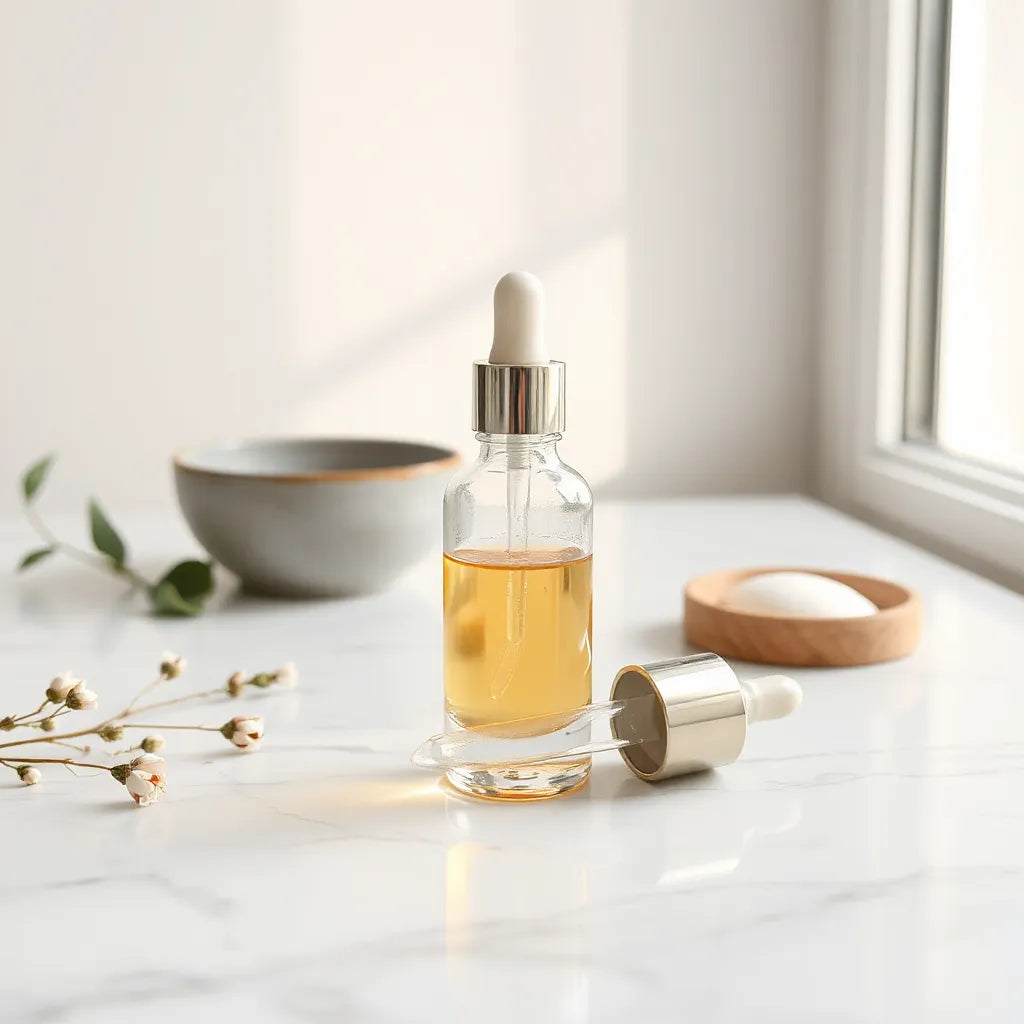
Anti-Aging Serums: How to Choose and Use Them
Updated on: 2026-07-19
1. Why anti-aging serums are the small-but-mighty step
2. Common challenges (and how to dodge them)
3. What to look for in an anti-aging formula
4. How to use anti-aging serums without turning your face into a science fair
Why anti-aging serums are the small-but-mighty step
If your skincare routine feels like a crowded pro shop—too many bottles, not enough clarity—anti-aging serums are the tidy little organizer. They’re lightweight, usually applied after cleansing, and designed to target specific skin concerns with a concentrated blend of ingredients. Think of them as the caddy for your face: you’re still the one playing the match, but you’re not guessing every shot.
People often start with moisturizers because they feel like the obvious choice. Then they add a serum later, like, “Wait… there are layers? And I’ve been skipping the side quests?” Yes. Serums can help you be more intentional. Not by magic. By math: the product typically delivers key ingredients in a higher concentration than many day creams.
Now, a quick reality check in plain clothes: “anti-aging” is not a time machine. Skin changes are normal. The goal is supportive care—hydration, improved look of texture, and better overall balance. The right anti-aging serums can help your skin look more even and feel more comfortable, which is frankly the whole point.

Stacked skincare layers with simple glow icons
Common challenges (and how to dodge them)
Let’s talk about the stuff that turns a promising routine into a plot twist. These are the common challenges, with solutions that don’t require a dramatic skincare intervention.
Challenge 1: “I tried a serum and my skin didn’t like it.”
Skin can be picky, especially if you jump in too fast. A new serum may contain active ingredients, fragrance, or a texture your skin doesn’t enjoy. Solution: introduce slowly. Start with every other night, then increase if your skin stays calm. Also, patch test on a small area. Your face has enough drama already.
Challenge 2: “My routine feels sticky, pilled, or weird under moisturizer.”
This is usually about layering. Some formulas sit better with certain skin types, and some combinations just don’t play nice. Solution: apply a thin layer. Let it absorb before you add your moisturizer. If you’re layering with heavier creams, use the serum first, then seal with a lighter moisturizer for better glide.
Challenge 3: “My results are… not exactly poster-ready.”
Skincare is less “instant encore” and more “season-long training.” Changes are gradual. Solution: keep expectations realistic and track your skin. Take notes on comfort and appearance. If you use the serum consistently for long enough to notice shifts, you’ll be able to judge it fairly. If nothing changes after a sensible trial, it may not be the best match for your skin’s current needs.
Challenge 4: “I’m using too many actives at once.”
More products does not equal more success. It can mean more irritation, which then makes your skin look worse. Solution: pick one main focus at a time. For example, if you’re already using a strong exfoliant, choose a gentler anti-aging serum and focus on hydration and barrier support.
What to look for in an anti-aging formula
Anti-aging serums can be built around different ingredient families. The best choice depends on what you want your skin to look and feel like. Below are common ingredients and what people typically reach for them for.
Hydration support
Dehydration can make fine lines look more obvious. Look for humectants and barrier-friendly ingredients like glycerin, hyaluronic-style hydration components, or soothing agents that help skin feel less tight. Hydration doesn’t erase time, but it can make skin look more comfortable and smoother.
Texture and radiance focus
For a more even-looking complexion, ingredients that support exfoliation or cell turnover are often considered. Depending on the formulation, this could include gentle acids or other texture-supporting compounds. If you’re sensitive, choose lower intensity options and avoid stacking with harsh exfoliation on the same nights.
Antioxidant allies
Oxidative stress is a fancy phrase for “environmental stress piles up.” Antioxidants help support the skin against everyday factors like pollution and UV-related exposure. Look for well-known antioxidant categories such as vitamin C derivatives, niacinamide, or botanical extracts. Not all “natural” ingredients are automatically gentle, so read the full label.
Soothing and comfort ingredients
Even “anti-aging” care should feel calm. Ingredients like panthenol, centella-type soothing components, or calming plant extracts can help you maintain comfort while you test actives.
If you enjoy herbal-friendly skincare, you may like starting your browsing with herbal remedies to build a routine that feels grounded and steady.
How to use anti-aging serums without turning your face into a science fair
The best serum is the one you can actually use consistently. Here’s a simple routine path that keeps things organized.
Step 1: Cleanse
Start with a gentle cleanser. If your cleanser is too stripping, your serum has less to work with. Aim for clean skin that still feels comfortable.
Step 2: Apply serum on slightly damp or fully dry skin
Follow product instructions, but as a general rule, serum goes after cleansing and before heavier moisturizers. If the serum is hydration-forward, it may work nicely on slightly damp skin. If it’s more active-focused, fully dry skin can help reduce irritation.
Step 3: Moisturize to seal the deal
Think of moisturizer as a jacket. Serum is the message; moisturizer helps it stay in place. If you’re prone to dryness, don’t skip this step. If you’re oily, choose a lighter moisturizer so you don’t feel like you’re wearing sunscreen at midnight.
Step 4: Sunscreen in the daytime
Every credible skincare routine includes sunscreen during the day. It’s not a garnish. It’s a key step for preventing premature-looking changes. If you don’t wear it, your “anti-aging” plan is like training for a tournament without showing up.
How often should you use it?
Start with a frequency you can sustain. For many people, using a serum a few nights per week works well, then adjusting upward if the skin stays comfortable. If your skin reacts, scale back, not forward.
Where to place it in your stack
If you use other treatments, keep your stack minimal. If you’re using an exfoliating product on a given night, consider using a gentler serum another night. If you use a vitamin-rich serum, you might not need extra actives at the same time. Your skin is not a group project.
If your skin is in the “dry but cranky” club, a compatible moisturizer can help you stick with your routine. You can explore options through moisturizing face cream while you dial in your layering.

Simple skincare timeline with day-night layering icons
Comparison: serum types and what they tend to do
Here’s a practical, low-drama comparison. No magic wands, just common patterns in how serums are formulated.
| Serum style | Often used for | Best fit | Potential downside |
|---|---|---|---|
| Hydration-focused | Comfort and plumper look | Dry or dehydrated skin | May feel too light alone |
| Antioxidant-rich | Support against environmental stress | Most skin types | Some formulas may have fragrance |
| Texture-supporting | Smoother-looking surface | Uneven texture and dullness | Can be irritating if overdone |
| Barrier-friendly comfort | Calmer feel during active use | Sensitive skin or reactive periods | May offer subtler “transformations” |
Pro tip from your slightly nosy skincare friend: “anti-aging” results are usually a combination of hydration, gentle texture support, and daily protection. The serum is one player on the team.
Summary & recommendations
Anti-aging serums are a smart, streamlined way to target specific skin needs without rebuilding your whole routine from scratch. Choose based on what your skin is asking for—comfort, hydration, smoother-looking texture, or antioxidant support. Start slowly, layer thoughtfully, and avoid stacking multiple strong actives at once.
If you want an easy starting point, begin with a serum that supports hydration and comfort, then adjust. If your skin is already stable and you want more texture focus, switch to a texture-supporting option on alternate nights. And if you’re unsure, keep it simple and let your skin be the judge.
When you’re ready to explore related care, you can browse anti-aging care for a curated approach that fits the “small step, real results” philosophy.
Q&A
Are anti-aging serums safe for sensitive skin?
They can be, but it depends on the ingredients. Look for formulas that emphasize comfort and hydration, and introduce them slowly. If your skin is sensitive, avoid using multiple active treatments in the same routine at first. Patch testing and gradual frequency are your best friends.
How do I know which anti-aging serum is right for me?
Start with your priority: dryness, visible texture, dullness, or general support. Then check the label for ingredient families that match that goal. If you’re unsure, begin with hydration and antioxidant-style support, and only add stronger texture-focused ingredients later.
Can I use a serum every day?
Some people can, but many should start with a lower frequency and increase based on comfort. If your skin feels tight, stings, or gets red, reduce usage and simplify your routine. Daily use may be appropriate once your skin is stable.
Do I still need moisturizer if I use a serum?
Yes, in most cases. Serums often work best as the “layer before the seal.” Moisturizer helps reduce moisture loss and supports comfort. Even lightweight moisturizers can help your skin look smoother and feel less reactive.
Will an anti-aging serum replace sunscreen?
No. Sunscreen is a separate step with separate value. A serum can support the skin, but it does not replace sun protection. If you want your routine to pay off, sunscreen should be part of the daytime plan.
About the Author
Crossbar Athletic is a brand built around vintage-inspired comfort and thoughtful essentials, from tees to hoodies that wear like a favorite jacket. For skincare, we lean on practical routines and ingredient clarity rather than hype. Our team shares approachable guidance on everyday care so you can build a routine that feels steady, not chaotic. Thanks for reading, and may your shelf stay organized.
Disclaimer: This article is for general informational purposes only and does not provide medical advice. Individual results vary, and skincare products can cause reactions. Always review ingredient lists, follow label directions, and consider consulting a licensed professional if you have concerns or persistent skin issues.